World Map
A Visual Timeline of the Present

TheTimeMap

A museum-style timeline of world events — one day at a time, with a featured story, supporting developments, and related threads gathered into a single visual exhibit.

Featured days
Connected stories
World events in sequence
About
How to read TheTimeMap

Each day is presented like an exhibit.

Start with the featured event, then move through supporting developments and related artifacts to understand how that day unfolded.

Timeline flow

The center spine is the chronological path. Each plaque anchors a day, and each panel gathers the most important threads from that date.

Use it like an archive

Search, jump to a year or date, and move through events visually instead of reading a flat stream of headlines.

×

We oppose antisemitism, racism, and dehumanization — everywhere.

When people stop feeling, injustice becomes easy.

Dedication
To those who still feel wonder.
To the ones who look at the stars and remember they are home.
To every hand that builds, every voice that heals,
and every heart that still believes love can save the world.
This is for humanity — all of it.
No borders. No flags. No “us” or “them.”
Just one great breathing story, trying to find its way back to itself.
Jump to date
Timeline Entry
January 1, 0073
Additional artifacts from Jan 1
Timeline Entry
August 24, 0072
Featured event of the day

Construction of the Roman amphitheater known as the Colosseum began under Emperor Vespasian. This monumental structure was designed to host a variety of public spectacles, including gladiatorial contests and animal hunts.The initiation of the project marked...

Open event →
Timeline Entry
August 30, 0070
Featured event of the day

Roman forces led by Titus destroyed the Second Temple in Jerusalem during the Jewish revolt. This event transformed Judaism, ending temple-based worship and accelerating the Jewish diaspora. It also deepened the separation between early Christianity and J...

Open event →
Timeline Entry
August 9, 0070
Featured event of the day

The Roman army, led by Titus, besieged Jerusalem during the First Jewish–Roman War, culminating in the destruction of the Second Temple.The Temple was set ablaze and razed, marking a significant moment in Jewish history and religious practice.This event led...

Open event →
Timeline Entry
July 1, 0069
Featured event of the day

Following a year of civil war known as the Year of the Four Emperors, Vespasian emerged as the uncontested ruler of the Roman Empire. His rise marked the end of the Julio-Claudian dynasty's instability and the beginning of the Flavian dynasty.Vespasian cons...

Open event →
Timeline Entry
April 16, 0069
Featured event of the day

Vitellius was declared emperor by the legions of Germania during the chaotic Year of the Four Emperors. After the death of Emperor Otho, Vitellius marched to Rome where he was formally recognized as emperor.This period was marked by civil war and political ...

Open event →
Timeline Entry
January 15, 0069
Featured event of the day

Following the death of Emperor Galba, Otho swiftly ascended to power in Rome, marking a critical juncture in the Year of the Four Emperors. His accession was characterized by rapid political maneuvering within the imperial palace on Palatine Hill.Despite in...

Open event →
Timeline Entry
June 8, 0068
Featured event of the day

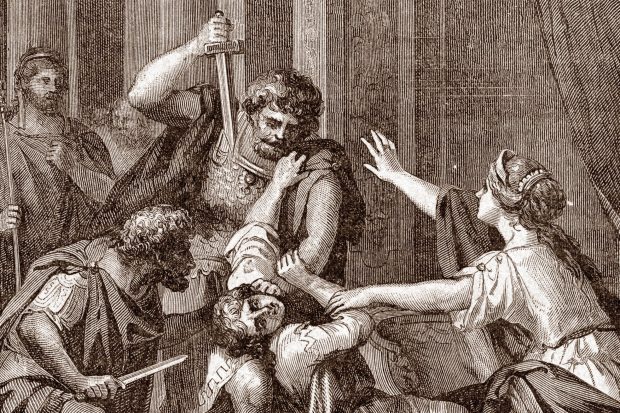
Galba was declared Roman Emperor following the assassination of Nero, marking the end of the Julio-Claudian dynasty. His accession was largely supported by the Senate and the Praetorian Guard in Rome.His rule began a turbulent period known as the Year of th...

Open event →
Timeline Entry
April 1, 0068
Featured event of the day

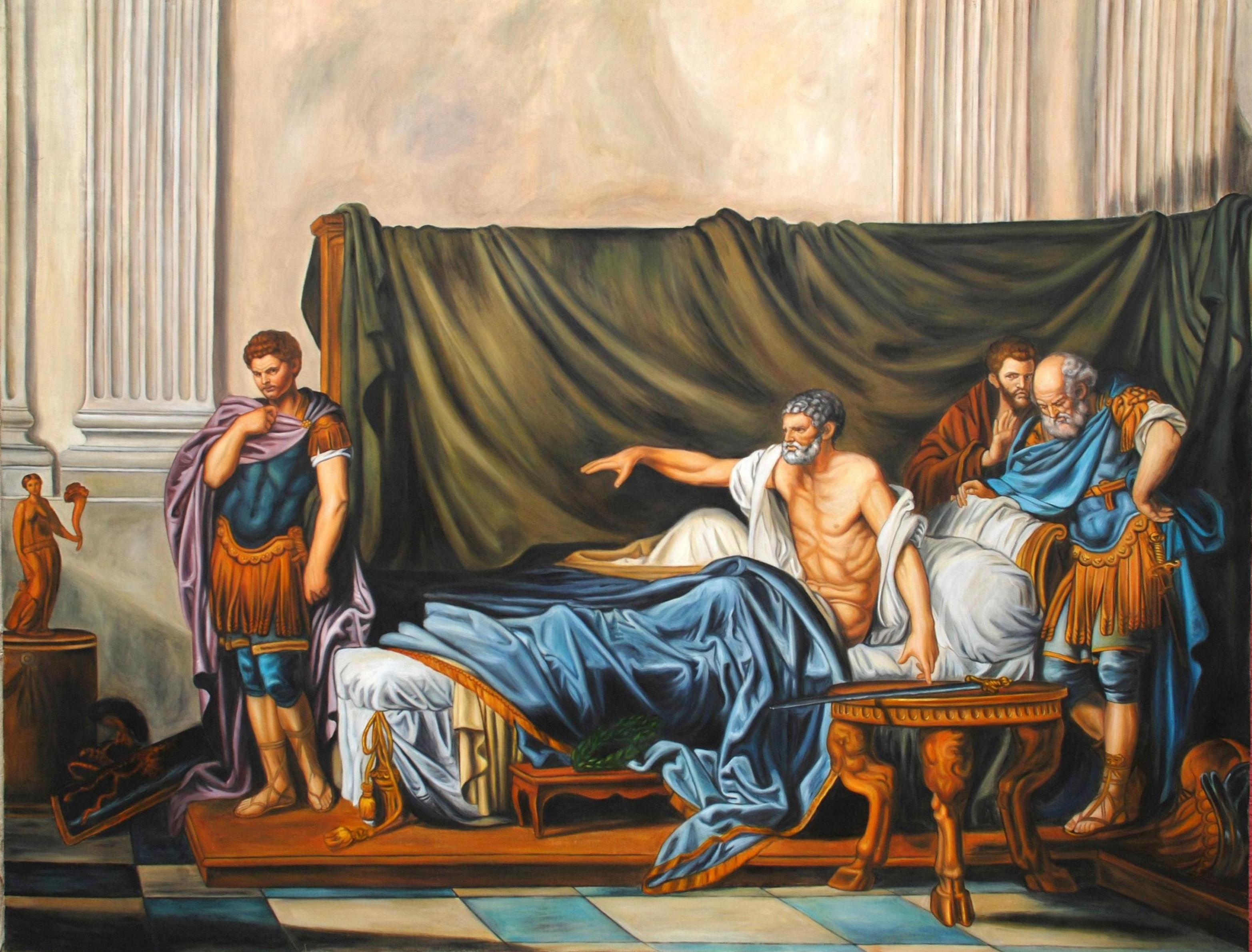
The Year of the Four Emperors was a tumultuous period marking rapid succession of Roman emperors after the fall of Nero. It involved the rise and fall of Galba, Otho, Vitellius, and Vespasian within a single year.This crisis resulted in civil war and politi...

Open event →
Timeline Entry
December 13, 0066
Featured event of the day

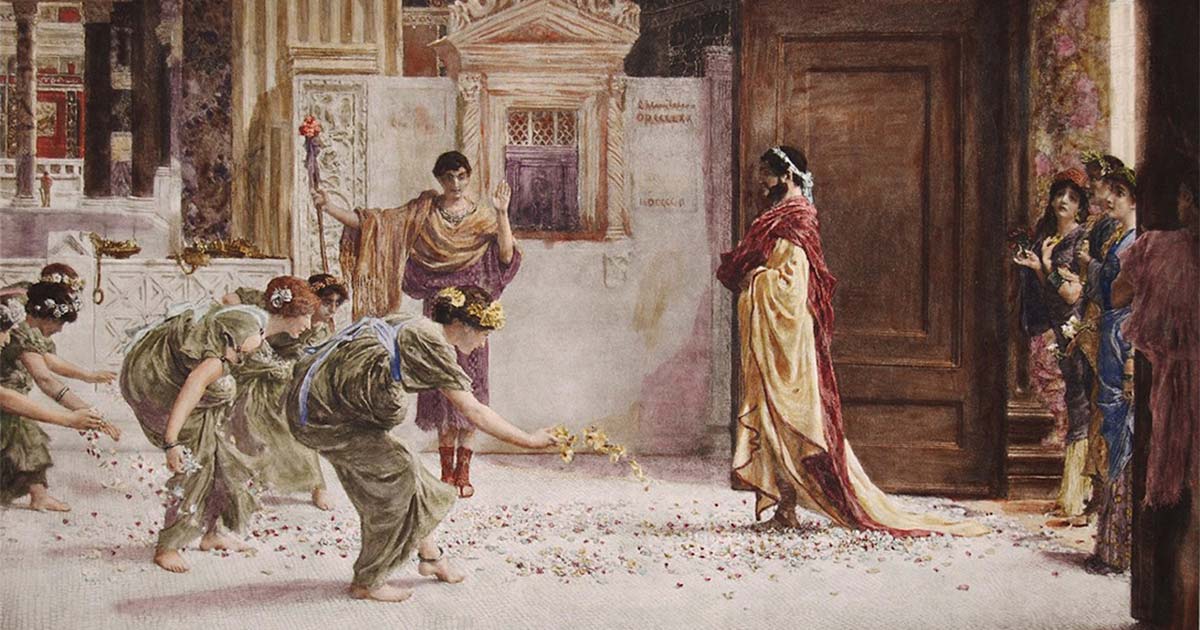
Tiridates I was crowned King of Armenia in the city of Artaxata, solidifying Roman influence in the region. His coronation marked the beginning of a dynasty recognized by both Rome and Parthia, serving as a political compromise.This event established a peri...

Open event →