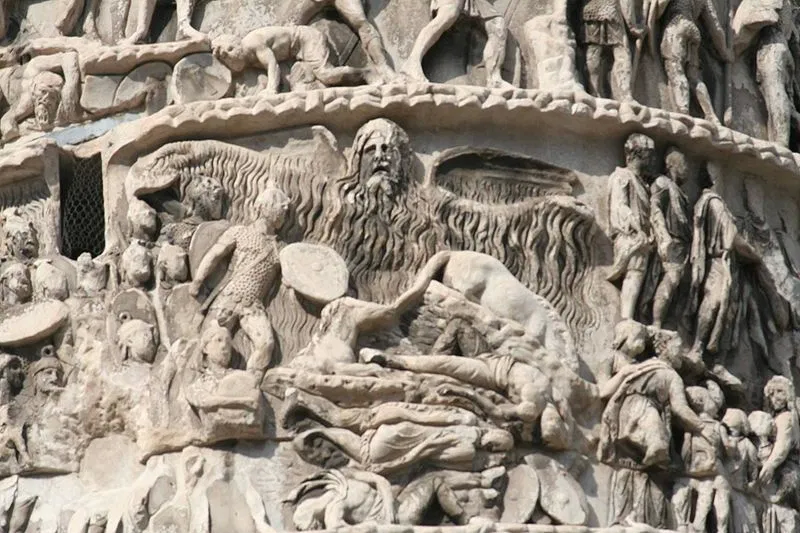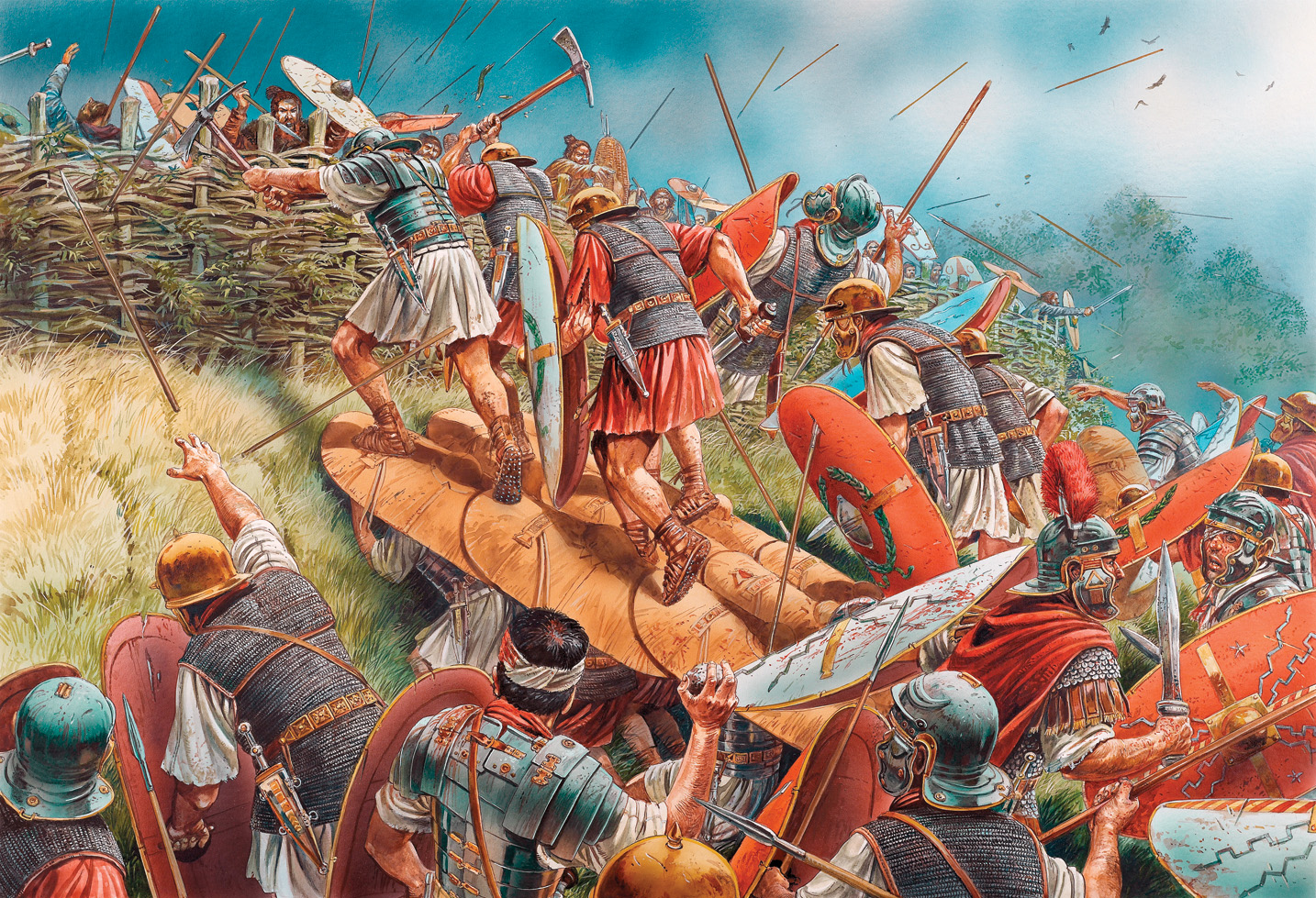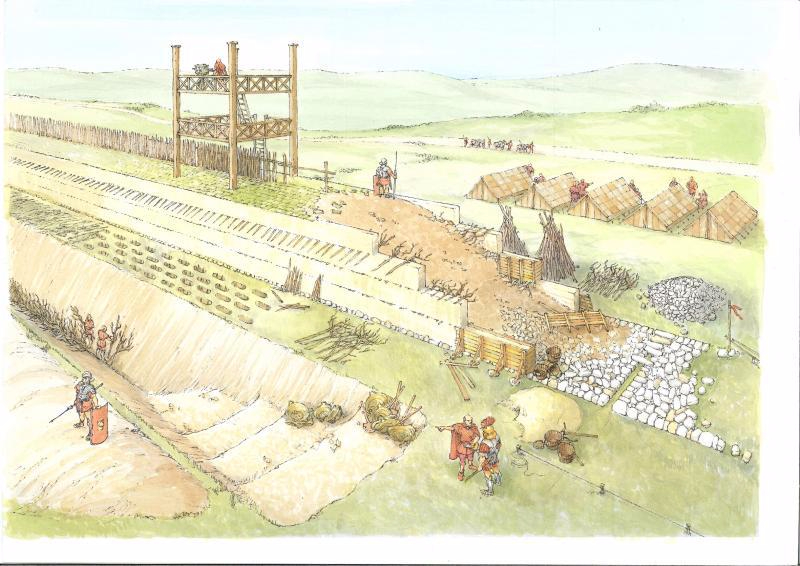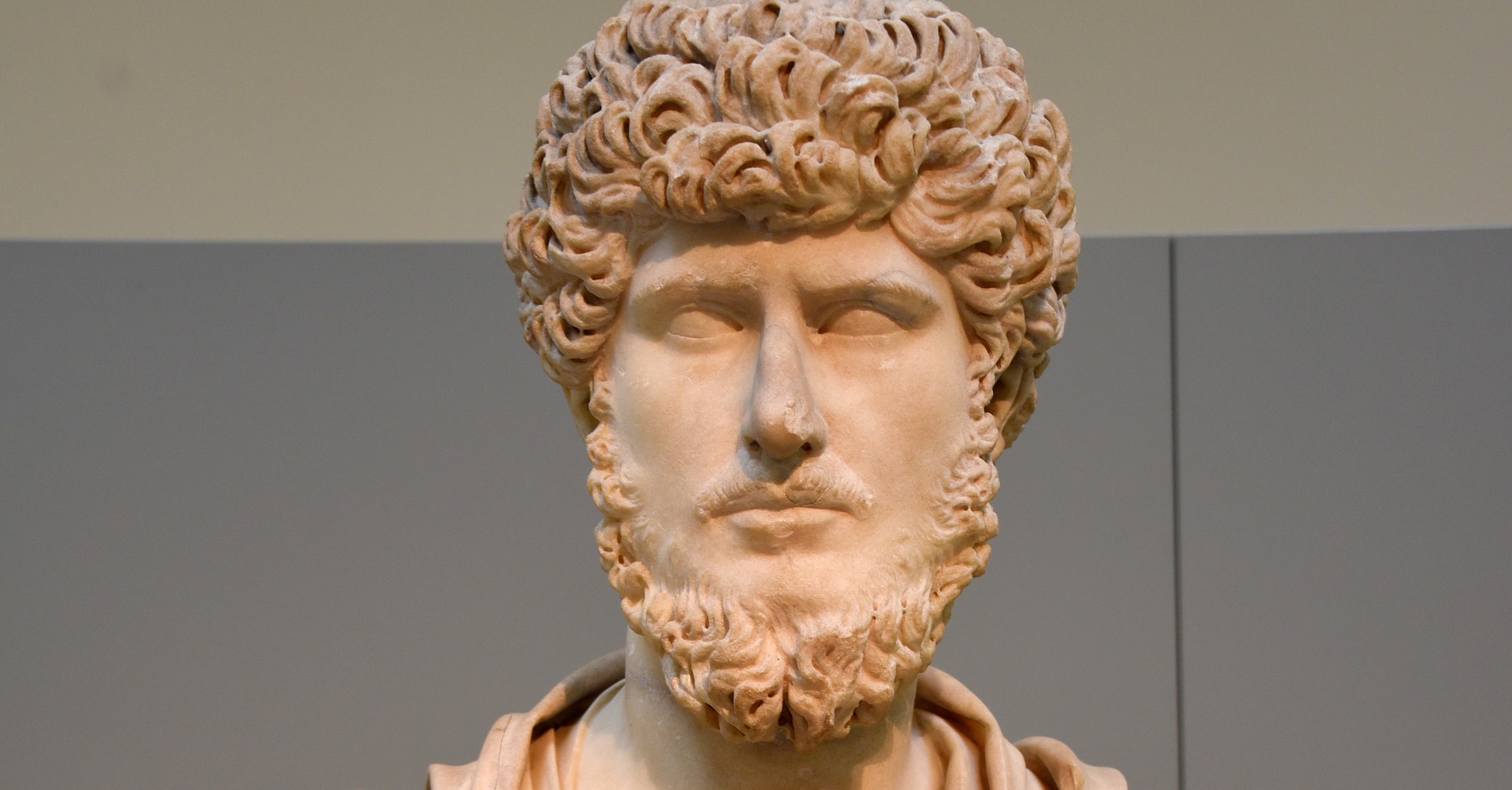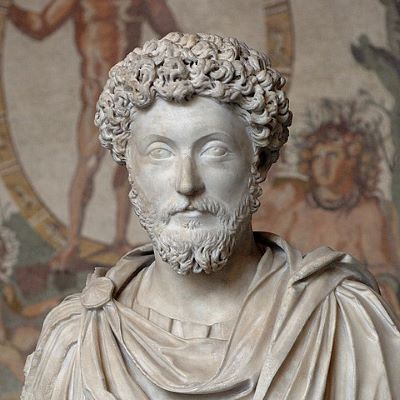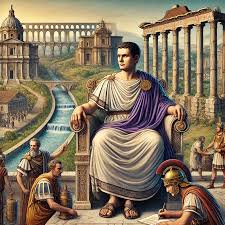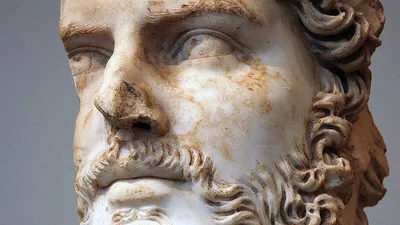
The Second Dacian War marks the renewed conflict between the Roman Empire and the Dacian Kingdom, led by King Decebalus. Roman Emperor Trajan launched a major military campaign aiming to subdue the Dacians and secure the rich resources of the region.The war...
The Roman Emperor Trajan launched his first major military campaign against the Dacian Kingdom in early 101 CE. The war was initiated to subdue the powerful Dacian king Decebalus and to secure Roman control over the region north of the Danube River.This con...
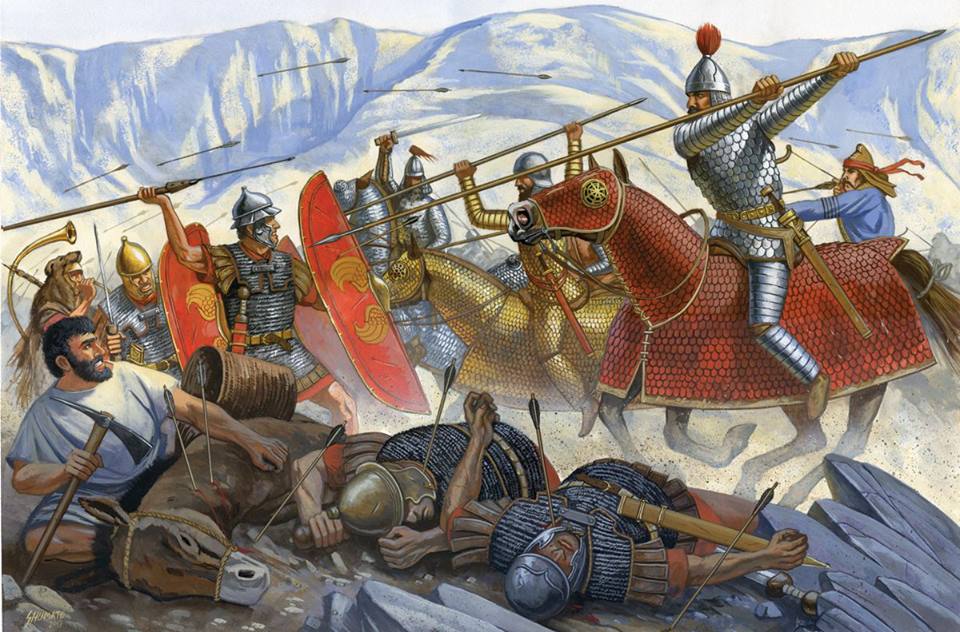
The First Battle of Tapae was a significant conflict between the Roman Empire and the Dacians. It took place at the mountain pass of Tapae, the gateway to the Dacian heartland.The Roman forces aimed to break into Dacia under Emperor Trajan's command but fac...
The Fayum portrait tradition represents a unique blend of Egyptian and Greco-Roman artistic styles. These funerary portraits were painted on wooden panels and affixed to mummies, dating predominantly from the Roman period in Egypt.Artists used encaustic and...
Emperor Nerva formally adopted Trajan as his heir in a move to secure the imperial succession and stabilize the Roman Empire. This adoption marked the beginning of the era of the "Five Good Emperors."Trajan's adoption was a pivotal moment in Roman political...
After the murder of Emperor Domitian, the Roman Senate appointed Nerva as emperor, marking a shift from autocratic rule to a more stabilizing governance. Nerva, previously a respected senator, was seen as a compromise candidate to appease both the military ...
Dou Xian, a general of the Eastern Han dynasty, led a decisive campaign against the Northern Xiongnu. In a series of battles, Han forces overcame the nomadic confederation, forcing them into submission and exile.This victory significantly weakened the Xiong...
The Battle of Ikh Bayan was a critical conflict between the Mongol Empire and the allied forces of the Southern Song dynasty and their allies. Fought in mid-July, the battle marked a major confrontation during the Mongol expansion into East Asia.The Mongol ...
Following the death of Emperor Titus, Domitian, his younger brother, ascended to the throne of the Roman Empire. The accession occurred peacefully, marking the continuation of the Flavian dynasty’s rule.Domitian's rise solidified imperial authority amid int...
The Arch of Titus was completed in Rome shortly after the death of Emperor Titus. The arch was commissioned by his brother Domitian to commemorate Titus's victories and to honor his deification.Located on the Via Sacra at the entrance to the Roman Forum, th...