Moorish Invasion Of The Iberian Peninsula
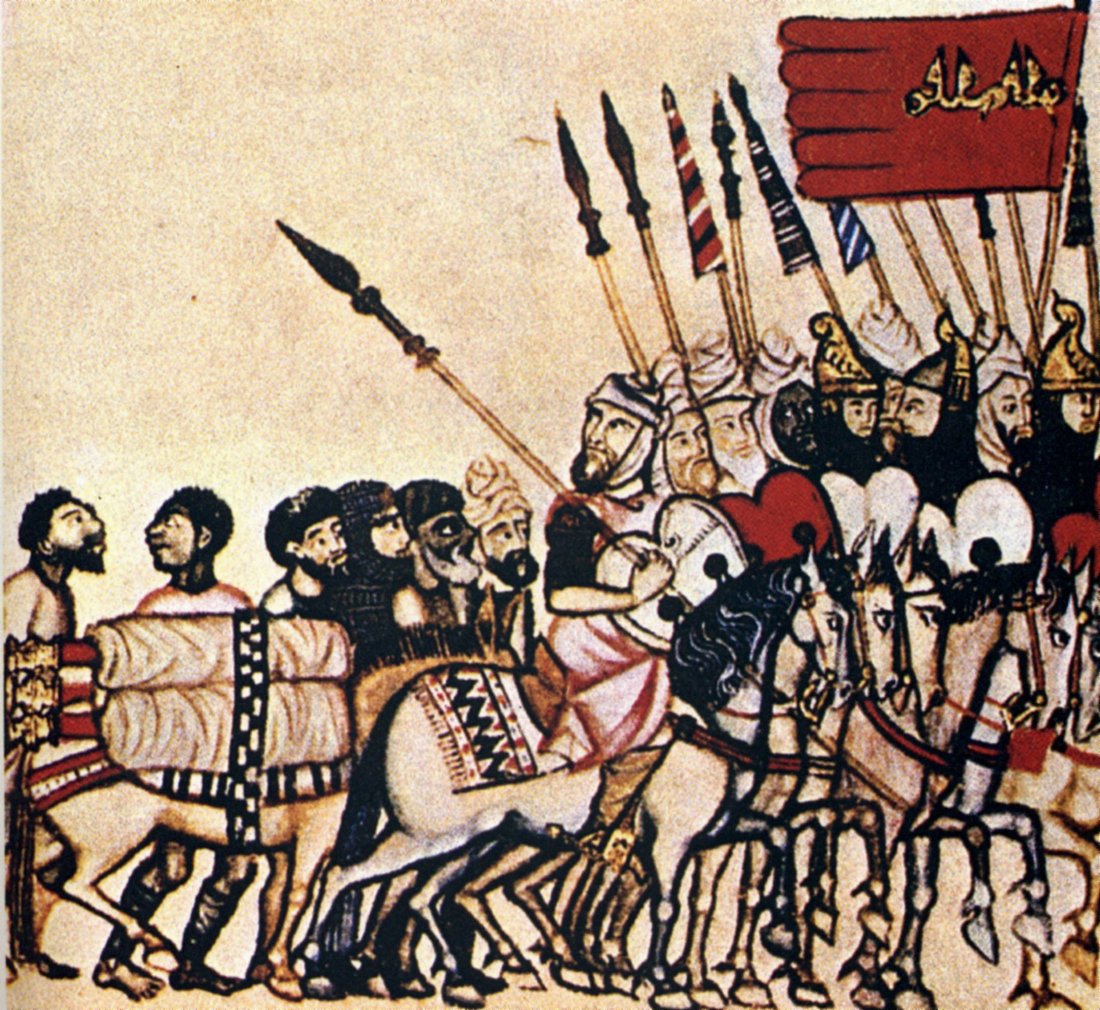
On April 30, 711, Umayyad forces led by the Berber commander Tariq ibn Ziyad crossed the Strait of Gibraltar from North Africa into the Iberian Peninsula. The landing marked the beginning of the Moorish invasion of territories ruled by the Visigothic Kingdom. Tariq’s forces defeated King Roderic at the Battle of Guadalete later that year.
Following the initial victories, Musa ibn Nusayr, the Umayyad governor of Ifriqiya, joined the campaign with additional troops. By 718, Umayyad forces had established control over most of present-day Spain and Portugal, a region known as Al-Andalus. Major cities including Córdoba, Toledo, and Seville came under Umayyad administration.
Umayyad expansion continued northward into parts of present-day southern France, including Septimania. The advance was halted after defeats at battles such as Toulouse in 721 and Tours in 732. Moorish rule in Iberia persisted in varying forms until the fall of Granada in 1492.
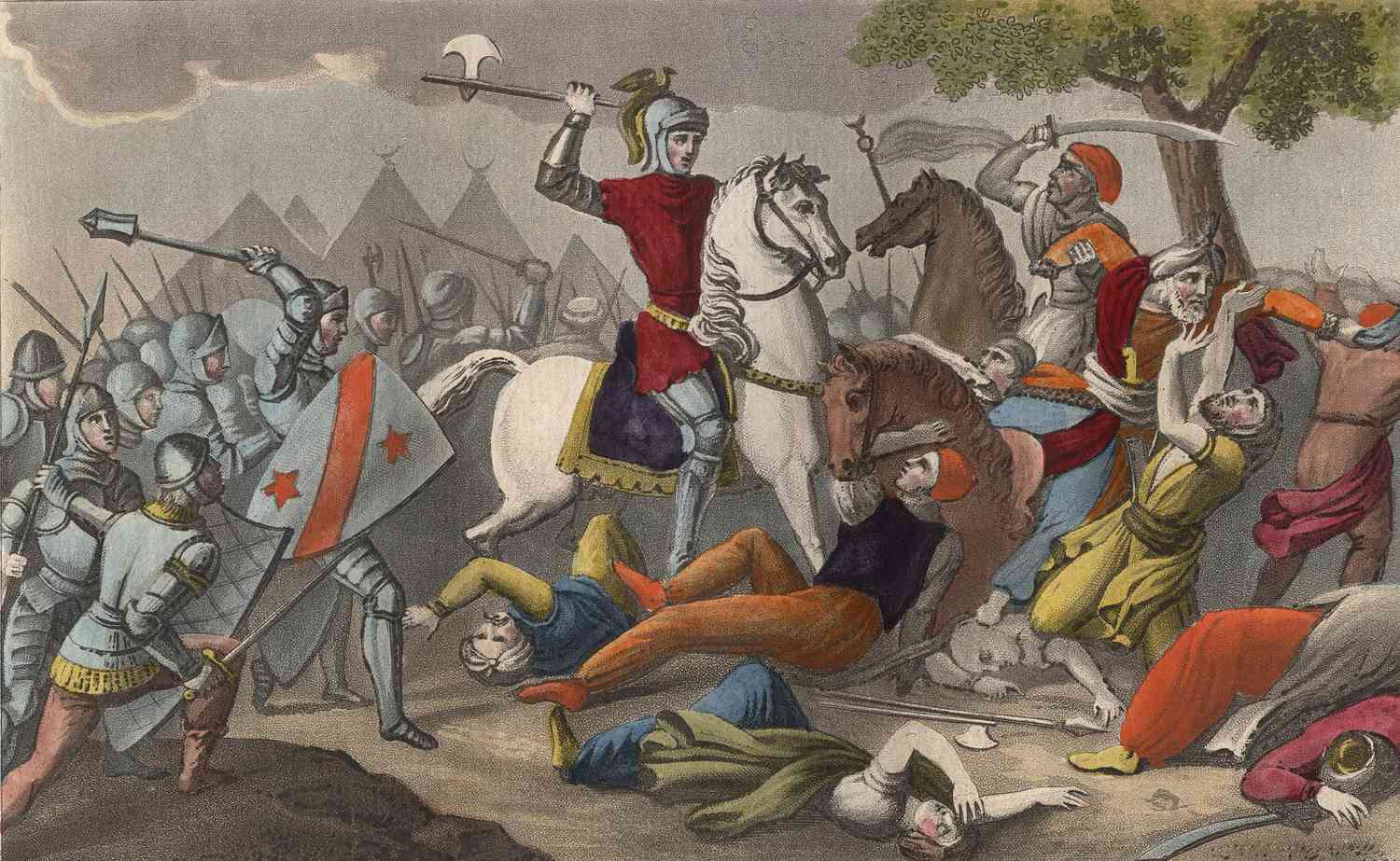
Contemporary chronicles and later historical studies indicate that the Moorish conquest involved warfare, executions, enslavement, and forced displacement of segments of the local population. While exact numbers of European deaths are not known, casualties occurred during battles, sieges, reprisals, and subsequent rebellions against Umayyad rule. Non-Muslim populations, including Christians and Jews, were classified as dhimmis and subjected to special taxes such as the jizya, legal inequality, and social restrictions. Conversion to Islam was not universally forced but was incentivized through relief from taxation and improved legal status, while resistance or rebellion was often met with severe punishment. These conditions shaped daily life in Al-Andalus during periods of Umayyad and later Islamic rule.