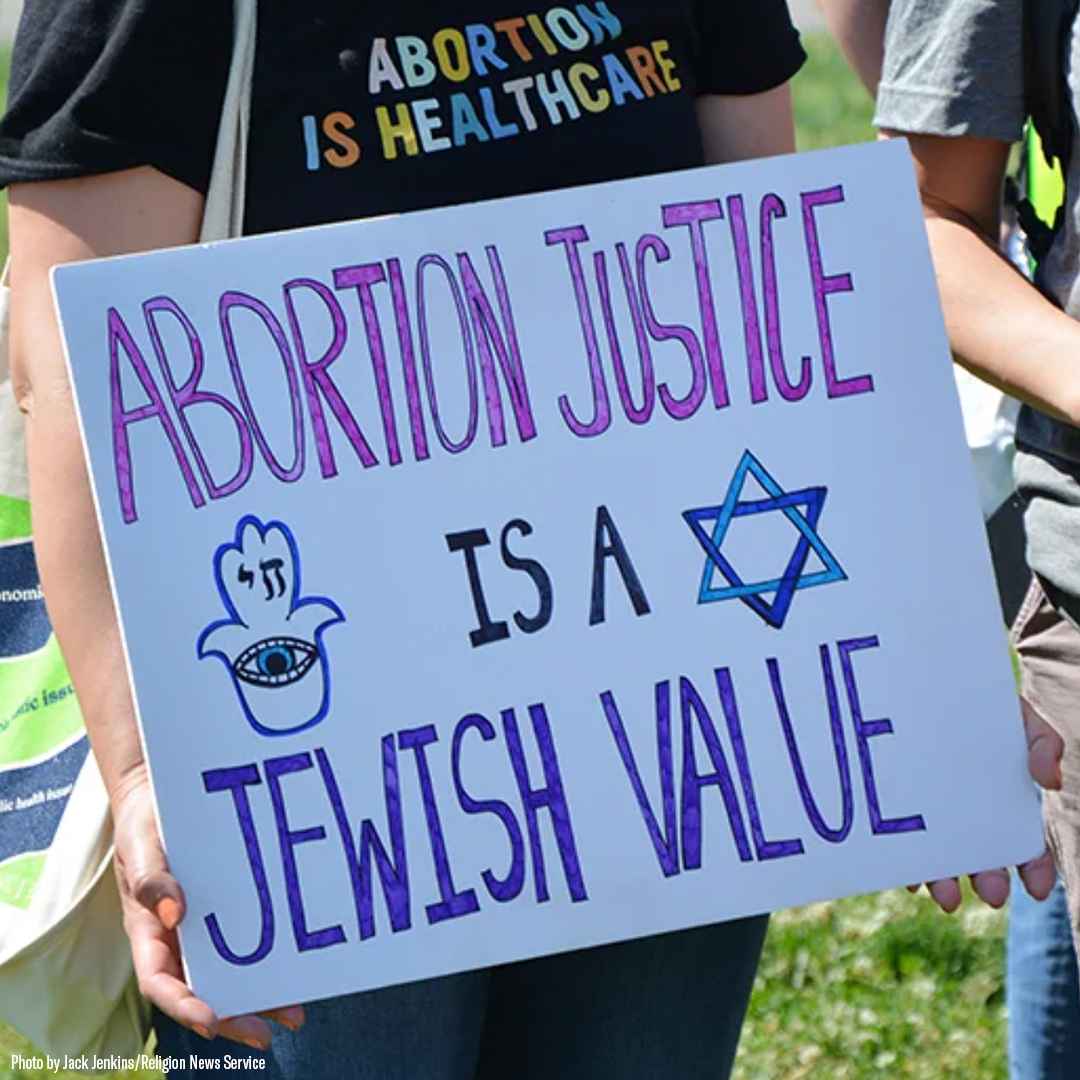
Jewish Perspectives on Abortion and Religious Rights
Jewish texts and legal traditions have multiple views on abortion, often rooted in the interpretation of Torah and rabbinic law. The Hebrew Bible does not explicitly prohibit abortion, and rabbinic sources historically assigned the fetus a different legal status than a born person. In the Talmud and later halakhic writings, a fetus is not considered a full human life until birth, and a pregnant person’s life and well-being take precedence over the potential life of the fetus. This status influences halakhic deliberations on when abortion is permitted or required.
Under Jewish law, abortion is generally permitted and sometimes required to protect the pregnant person’s life. If continuing a pregnancy endangers the pregnant person, abortion is sanctioned because Jewish law prioritizes saving an existing life. Rabbinic authorities also consider psychological and emotional factors in evaluating risks to the pregnant person’s well-being when discussing permissibility. Some rabbinic interpretations extend permission to cases involving serious physical or psychological harm.
Different Jewish denominations have varying emphases. Orthodox Judaism typically allows abortion primarily when the pregnant person’s life or health is threatened. Conservative Judaism’s Committee on Jewish Law and Standards has stated abortion is justifiable when continuation of pregnancy may cause severe physical or psychological harm. Reform and Reconstructionist movements generally support broader reproductive choice, including the right of individuals to make decisions about abortion, based on Jewish principles that value life and personal autonomy.
Jewish advocacy organizations have argued that restrictive abortion laws may conflict with Jewish religious teachings. Legal actions and commentary in the United States have invoked religious freedom to challenge abortion bans on the basis that Jewish law permits or sometimes mandates abortion in circumstances broader than those recognized in civil statutes.
While Judaism’s legal framework does not describe abortion as an unrestricted right in the modern legal sense, many Jewish thinkers and communities interpret their religious tradition as supporting access to abortion care and opposing laws that do not make exceptions for circumstances recognized in halakhic teachings. Jewish views on abortion continue to be discussed and debated within and among Jewish communities and legal contexts.





.webp)