Infrastructure Under Fire: Gaza’s Water Systems and Civilian Facilities Since 1948
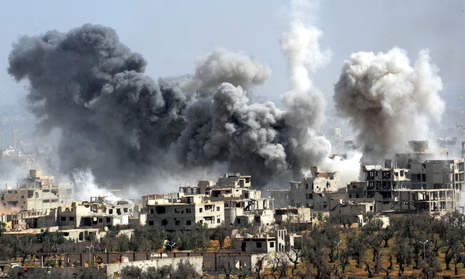
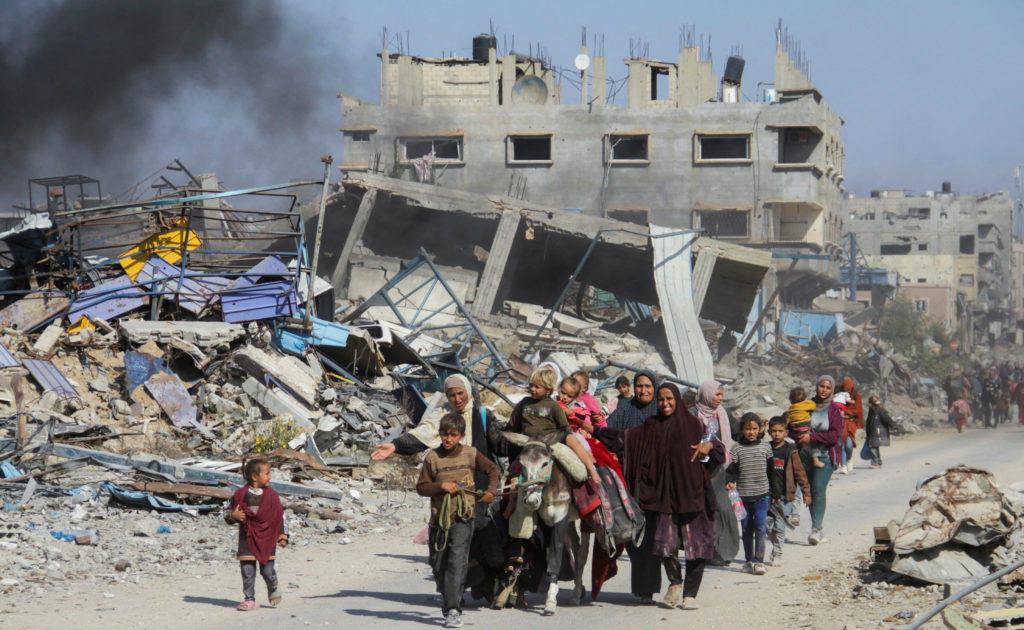
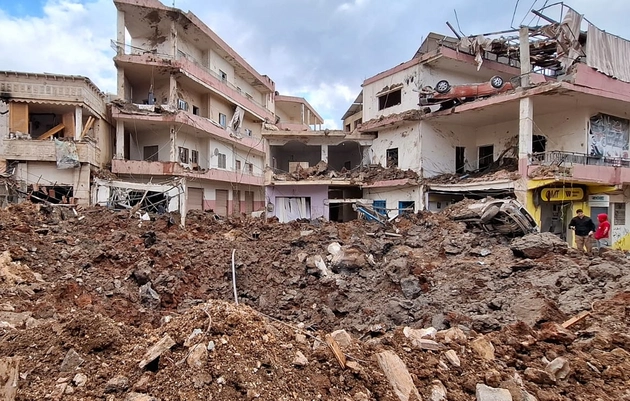
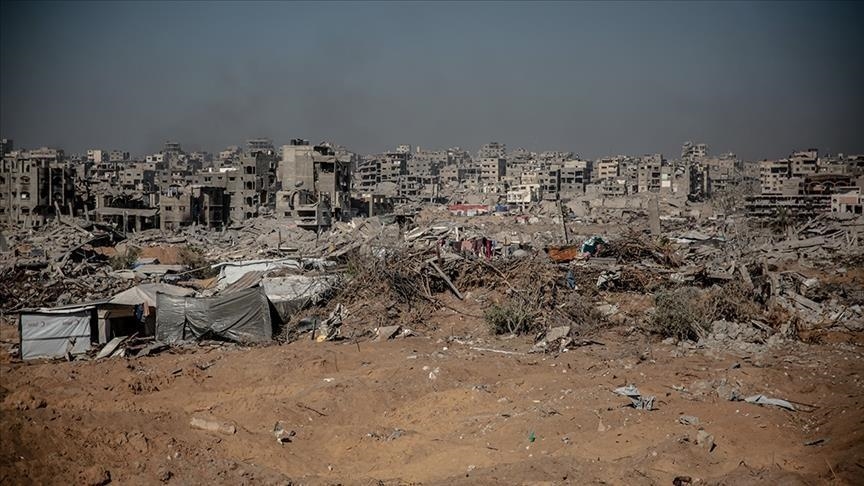
Since the establishment of the State of Israel in 1948, Palestinian territories—particularly the Gaza Strip—have experienced repeated waves of destruction to civilian infrastructure during periods of armed conflict. Among the most critically affected systems are water supply, sanitation, electricity, and public service facilities. Over decades, airstrikes, bombardment, ground operations, and blockade conditions have left Gaza’s infrastructure fragile and, at times, near total collapse.
Historical and Humanitarian Context
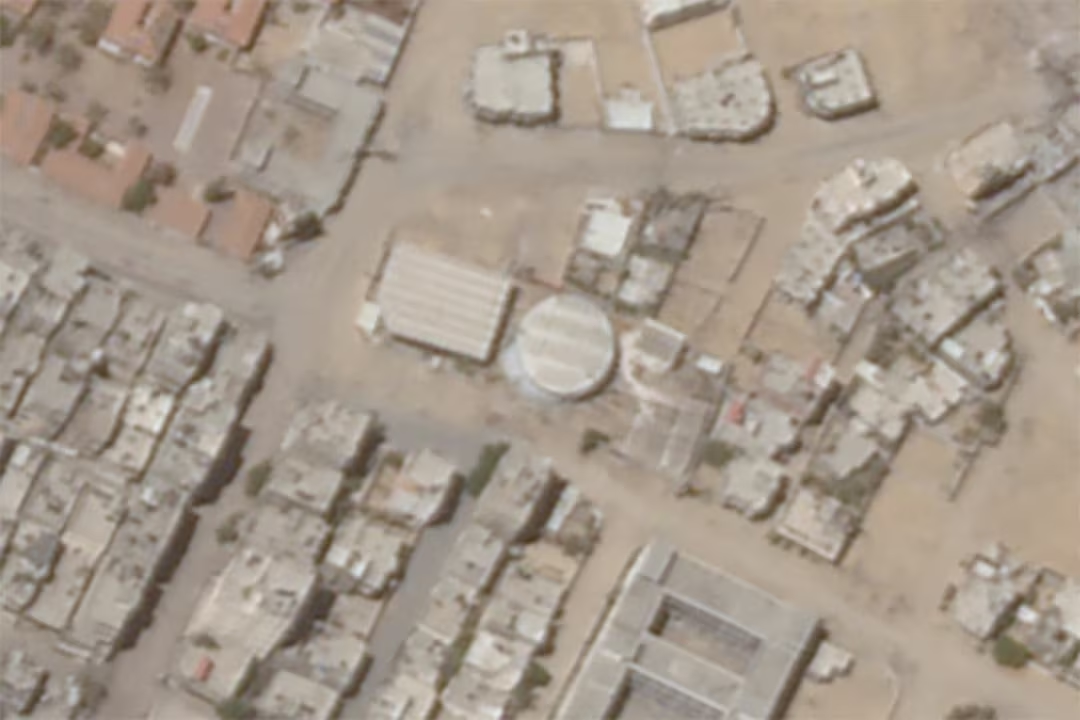
Gaza is one of the most densely populated areas in the world. Its infrastructure has long operated under severe constraints due to occupation, blockade, and recurring military offensives. Water resources are limited, and the territory relies heavily on desalination plants, groundwater wells, pumping stations, and wastewater treatment facilities—all of which require electricity, fuel, and imported materials to function.
Repeated damage to these systems has compounded long-term humanitarian challenges, including unsafe drinking water, sewage flooding, environmental contamination, and increased risk of disease.
Attacks on Water and Sanitation Infrastructure
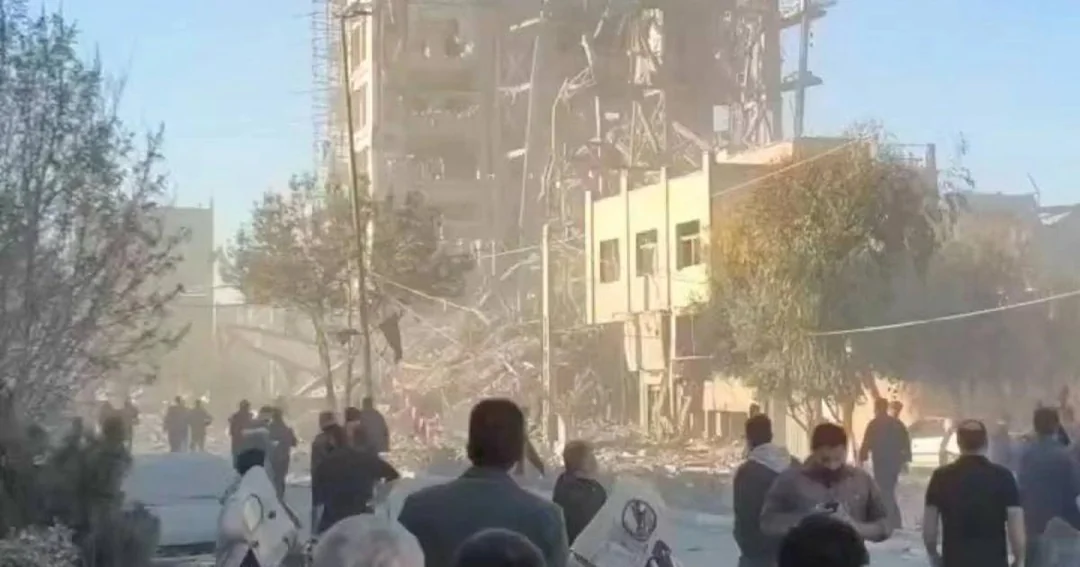
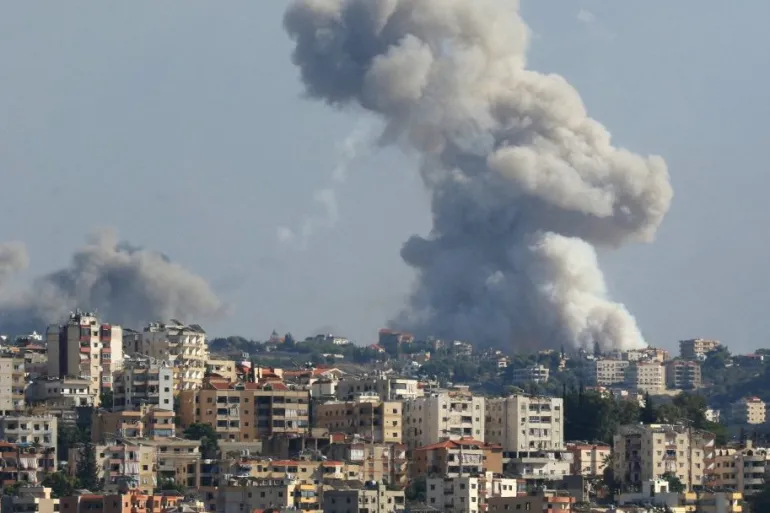
Israeli military operations have repeatedly damaged or destroyed Gaza’s water and sanitation infrastructure, either directly through airstrikes and shelling or indirectly through power cuts, fuel restrictions, and the targeting of repair capacity.
Forms of Destruction
- Bombing of water desalination plants and pumping stations
- Destruction of wastewater treatment facilities
- Damage to underground water and sewage pipelines
- Sabotage or demolition during ground incursions
- Targeting of fuel depots and electricity networks needed for water systems
- Attacks near or at water distribution points used by civilians
Major Military Offensives and Infrastructure Damage
2008–2009 Gaza War
During the offensive, multiple water pipelines, sewage lines, and pumping stations were damaged or destroyed. Thousands of civilians were left without access to clean water as systems failed under bombardment.
2014 Gaza War
Extensive airstrikes and shelling caused widespread destruction of wells, reservoirs, sewage treatment plants, and electricity infrastructure. Large areas experienced sewage overflow and water contamination.
2021 Escalation
Strikes damaged key sanitation facilities and water networks, exacerbating Gaza’s already fragile public health conditions.
2023–Present War
The most severe destruction of water infrastructure to date has occurred during the ongoing conflict. A majority of Gaza’s water and sanitation facilities have been rendered partially or completely inoperable due to direct strikes, lack of fuel, and restrictions on repairs.
Impact on the Civilian Population
The collapse of water and sanitation systems has had devastating consequences for Gaza’s population:
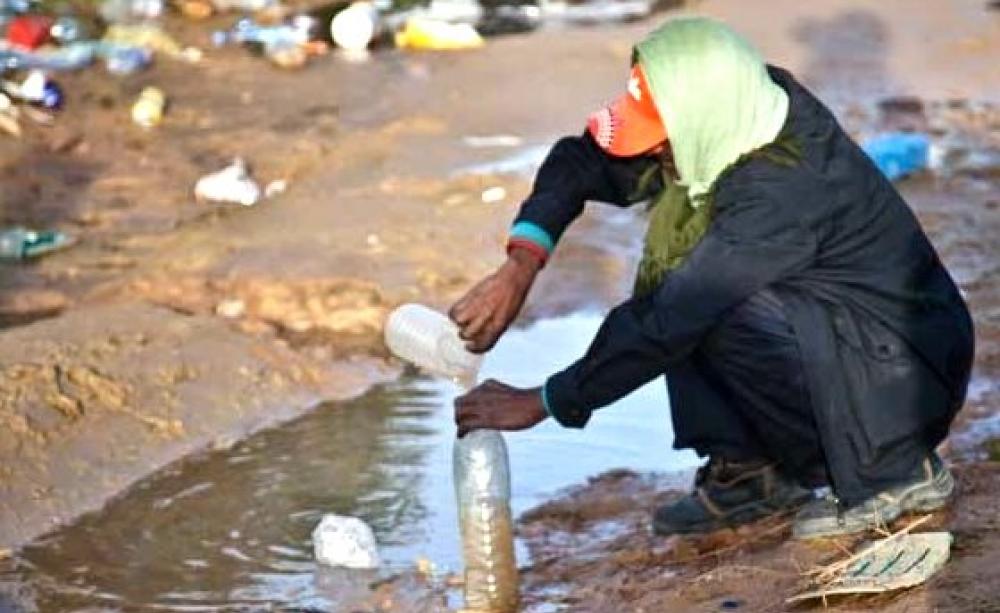
- Widespread lack of access to safe drinking water
- Forced reliance on unsafe or contaminated water sources
- Overflow of untreated sewage into residential areas and the sea
- Increased risk of waterborne diseases
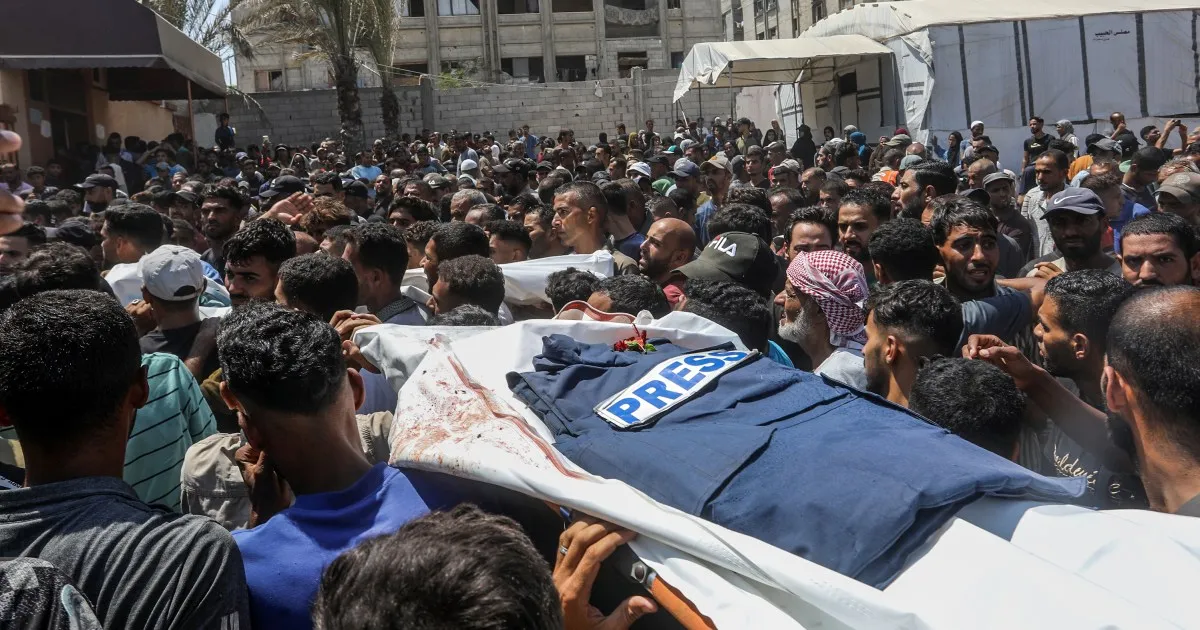
- Indirect deaths linked to dehydration, illness, and poor sanitation
Legal and Human Rights Perspectives
International humanitarian law requires the protection of civilian infrastructure essential for survival, including water and sanitation systems. Human rights organizations and United Nations bodies have repeatedly warned that the deliberate destruction or denial of access to water may constitute serious violations of international law.
Israeli authorities argue that military operations target armed groups operating within civilian areas and deny intentionally targeting civilian infrastructure. These claims remain heavily contested by rights organizations and international observers.
Conclusion
The repeated destruction of Gaza’s water and civilian infrastructure is not an isolated phenomenon but a cumulative process spanning decades of conflict. Bombing, demolition, sabotage, and operational restrictions have systematically undermined the territory’s ability to sustain basic life. The result is a prolonged humanitarian crisis in which access to clean water—one of the most fundamental human needs—has become increasingly scarce.