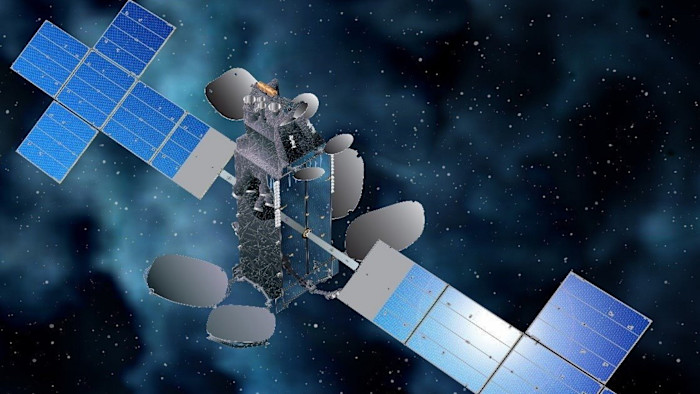
Interceptions of European Satellites by Russian Spacecraft
On February 5, 2026, European security officials reported that at least a dozen key European satellites had been intercepted by Russian spacecraft. The interceptions involved Russian space vehicles shadowing and engaging the satellites' communications links, raising concerns about potential manipulation of satellite data and trajectories. Observations indicate increased Russian space vehicle activity around the European satellites, which officials believe could compromise sensitive information and satellite operations. Analysts noted that the interceptions occurred against a backdrop of ongoing geopolitical tension between Russia and Western nations following Moscow's full‑scale invasion of Ukraine. The officials reported that the intercepted satellites serve critical functions in communications, navigation, and surveillance for European civil and defense purposes. The nature of the interceptions has not been fully disclosed by either Russian or European authorities, and there is no official public confirmation from the Russian government regarding the reported actions.
European security experts have warned that satellite interceptions can create vulnerabilities in space infrastructure, potentially enabling external actors to access encrypted data streams and disrupt global services. The officials cited a pattern of intensified Russian satellite shadowing over the past three years, during which several high‑priority European spacecraft were observed to alter their typical orbital communication links under surveillance. The increased proximity of Russian spacecraft to the European satellites poses risks not only to data confidentiality but also to the long‑term operational lifespan of the affected satellites. Discussions among European defense and space agencies are underway to assess defensive measures and potential regulatory responses to address these emerging challenges in space security.
The reported satellite interception activity underscores broader concerns about the militarization of space and strategic competition beyond terrestrial borders. As nations expand their space capabilities for both commercial and defense roles, incidents involving foreign interference with space assets have drawn attention from NATO and the European Union. Officials noted that if validated, the reported actions could prompt diplomatic protests and escalations in space policy frameworks among European partners. Ongoing monitoring and analysis are being conducted to determine the full scope of the reported interceptions and to evaluate implications for international space law and satellite security cooperation among allied states.

.webp)
.webp)




.jpg)