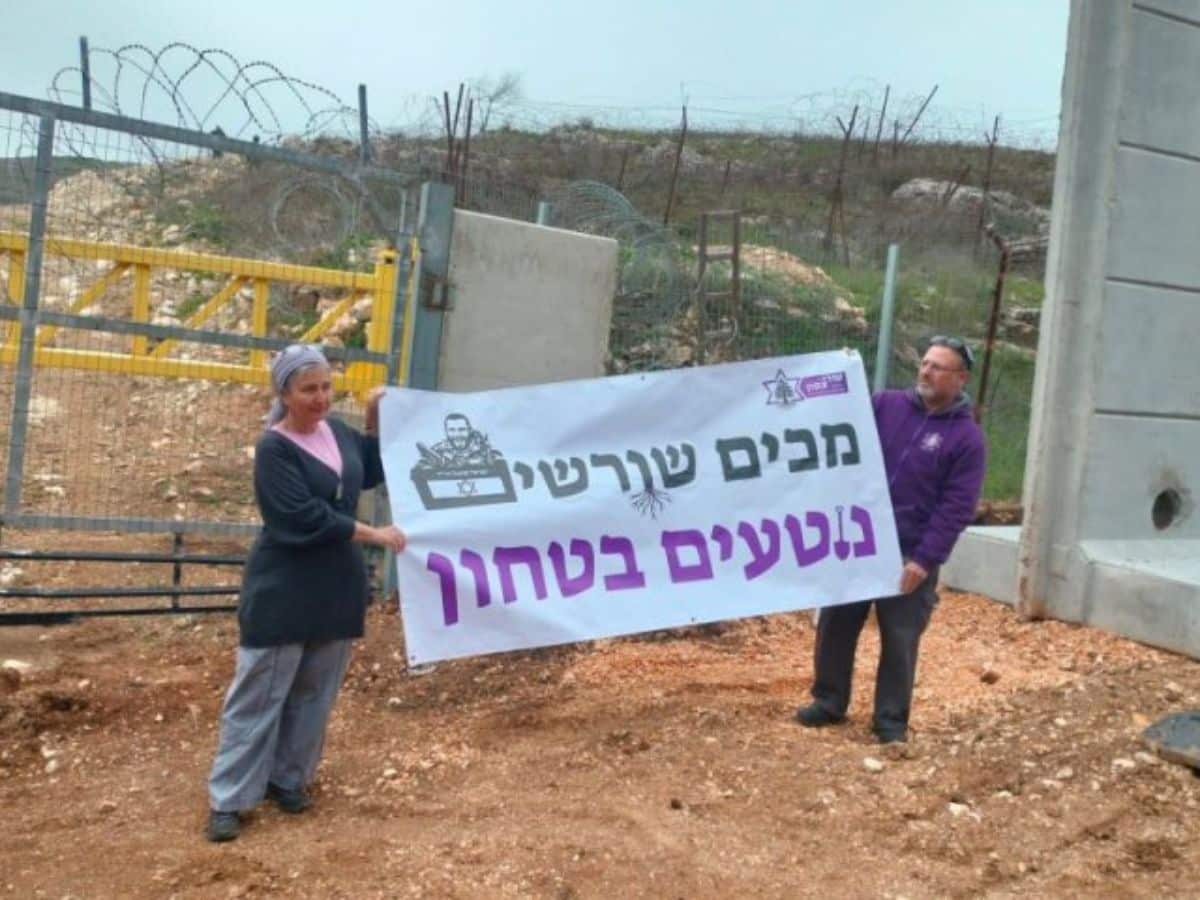
On February 12, 2026, the fragile calm along southern Lebanon’s border was shattered as extremist Israeli settlers planted olive and pine trees deep inside Lebanese territory. What may seem like a quiet act of planting is, in reality, a brazen attempt to redraw lines, stake claims, and intimidate communities who have lived in these lands for generations. Villagers report waking to find armed settlers marking the land with symbols of permanent control, their presence casting a shadow of fear and uncertainty.
The land-grab tactic is strategic and deliberate. UNIFIL observers documented settlers crossing into Lebanese territory early in the morning, planting trees as a statement: “This is ours now.” Local residents, already wary of sporadic confrontations along the border, describe the psychological toll — children afraid to play outside, farmers hesitant to tend their fields, families anxious about the next intrusion. The planting of trees is more than a physical occupation; it is a daily reminder that stability and security here are fragile and constantly threatened.
Lebanese authorities condemned the action as illegal and a clear violation of sovereignty, while UNIFIL confirmed it is monitoring the situation. Yet the international response feels distant to villagers on the ground, who face the stark reality of armed settlers, creeping territorial claims, and the possibility of future clashes. Analysts warn that such small, symbolic moves can escalate into larger confrontations, with political support or tacit approval emboldening settlers to push further.
In these borderlands, peace is measured not in headlines, but in the quiet endurance of communities under constant pressure. Every newly planted tree is a reminder of vulnerability, every intrusion a test of patience and resilience. While diplomatic statements are issued and observers monitor, local families live the human cost: fear, displacement anxiety, and the creeping erosion of their ancestral land.
UNIFIL reiterated its mandate to prevent unilateral actions that threaten regional stability, but the message is clear: the act of planting trees is far from innocent, and the lives of ordinary civilians remain on the frontline of this quiet but insidious occupation.
.jpg)