The Reserve Bank of India was believed to have intervened in the foreign exchange market on August 7, 2026, as the Indian rupee faced renewed pressure from rising global oil prices. Currency traders reported signs of dollar selling by the central bank shortly after India's domestic foreign exchange market opened.
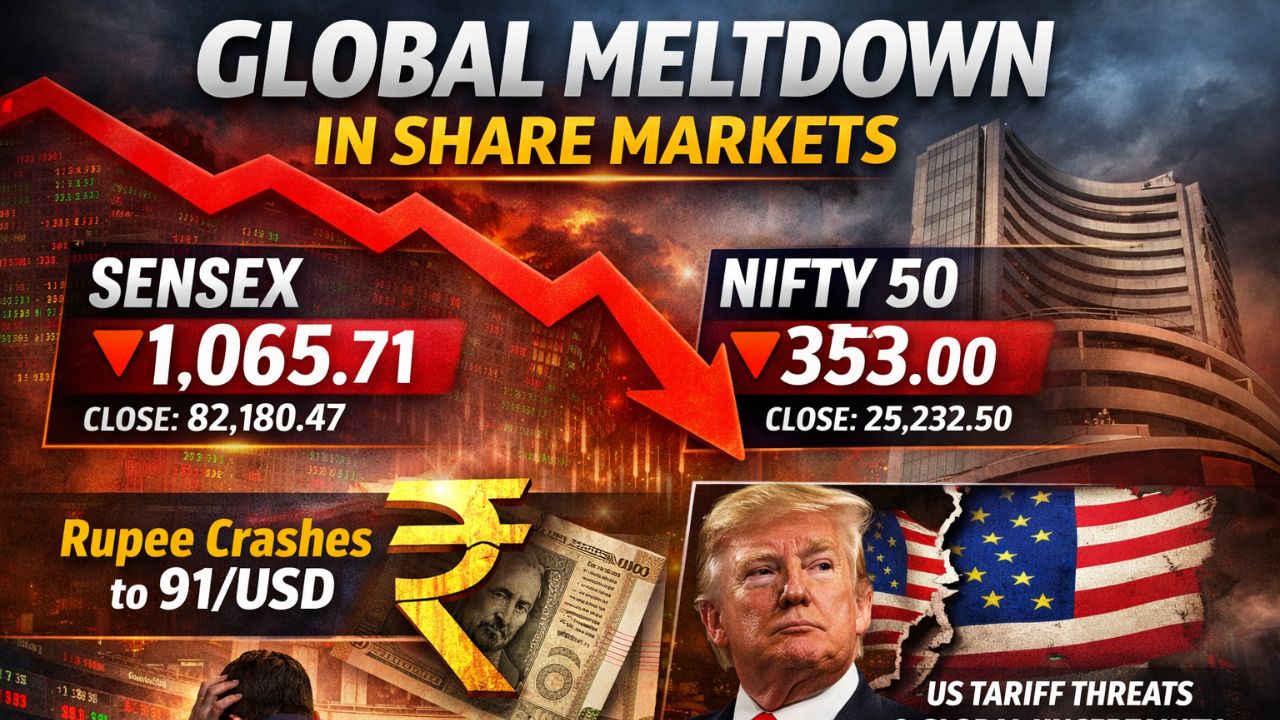
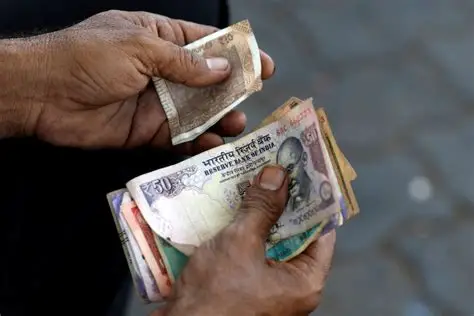
The rupee had been expected to weaken to approximately 95.35 to 95.40 against the United States dollar but traded near 95.27 following the apparent intervention. Central banks can sell dollars from their foreign exchange reserves and purchase their domestic currency to reduce rapid currency depreciation, although the Reserve Bank of India does not normally confirm individual market interventions.
Pressure on the rupee was linked partly to higher crude oil prices associated with continuing instability in the Middle East and disruption surrounding the Strait of Hormuz. India imports most of the crude oil it consumes, making changes in international petroleum prices an important factor affecting the country's trade balance, inflation, and demand for foreign currency.
A weaker rupee can increase the domestic cost of imported crude oil and other goods priced in dollars. Higher import costs can contribute to inflation and increase expenses for Indian companies and consumers while also influencing decisions by the Reserve Bank of India concerning interest rates and currency reserves.
The currency pressure illustrates the financial effects of conflicts and shipping disruptions outside India. Developments affecting Persian Gulf energy exports can influence India's currency, inflation, government finances, trade flows, and monetary policy because of the country's dependence on imported energy.