What it was
The Lavon Affair, also known as Operation Susannah, was a failed Israeli covert operation in Egypt in 1954, carried out by Israeli military intelligence.
What happened
In 1954, Israel secretly recruited Egyptian Jews to plant bombs in American and British civilian targets in Egypt, such as libraries and cinemas. The bombs were designed to explode after hours to avoid casualties and were meant to be blamed on Egyptian extremist groups.
The Lavon affair was a failed Israeli covert operation, codenamed Operation Susannah, conducted in Egypt in the summer of 1954. As part of a false flag operation,[1] a group of Egyptian Jews were recruited by Israeli military intelligence to plant bombs inside Egyptian-, American-, and British-owned civilian targets: cinemas, libraries, and American educational centers. The bombs were timed to detonate several hours after closing time. The attacks were to be blamed on the Muslim Brotherhood, Egyptian communists, "unspecified malcontents", or "local nationalists" with the aim of creating a climate of sufficient violence and instability to induce the British government to retain its occupying troops in Egypt's Suez Canal zone.[2] The operation caused no casualties among the population, but resulted in the deaths of four operatives. The overseer of the operation allegedly informed the Egyptians, after which 11 suspected operatives were arrested. Two died by suicide after being captured, two were executed by the Egyptian authorities, two of them were acquitted at trial, and the remaining five received prison terms ranging from 7 years to life in prison.
Purpose of the operation
Israeli leaders feared that Britain would withdraw from the Suez Canal and that Egypt, under Gamal Abdel Nasser, would gain regional strength. The goal of the operation was to undermine Western confidence in Egypt and encourage Britain to maintain its military presence.
Failure and exposure
The operation failed when one of the bombs detonated prematurely, exposing the network. Egyptian authorities arrested the agents involved. Two were executed, and others were imprisoned.
Political fallout
The central controversy focused on who authorized the operation. Defense Minister Pinhas Lavon denied giving the order, while military intelligence officials blamed him. Evidence later suggested the operation was approved without proper political authorization.
Consequences
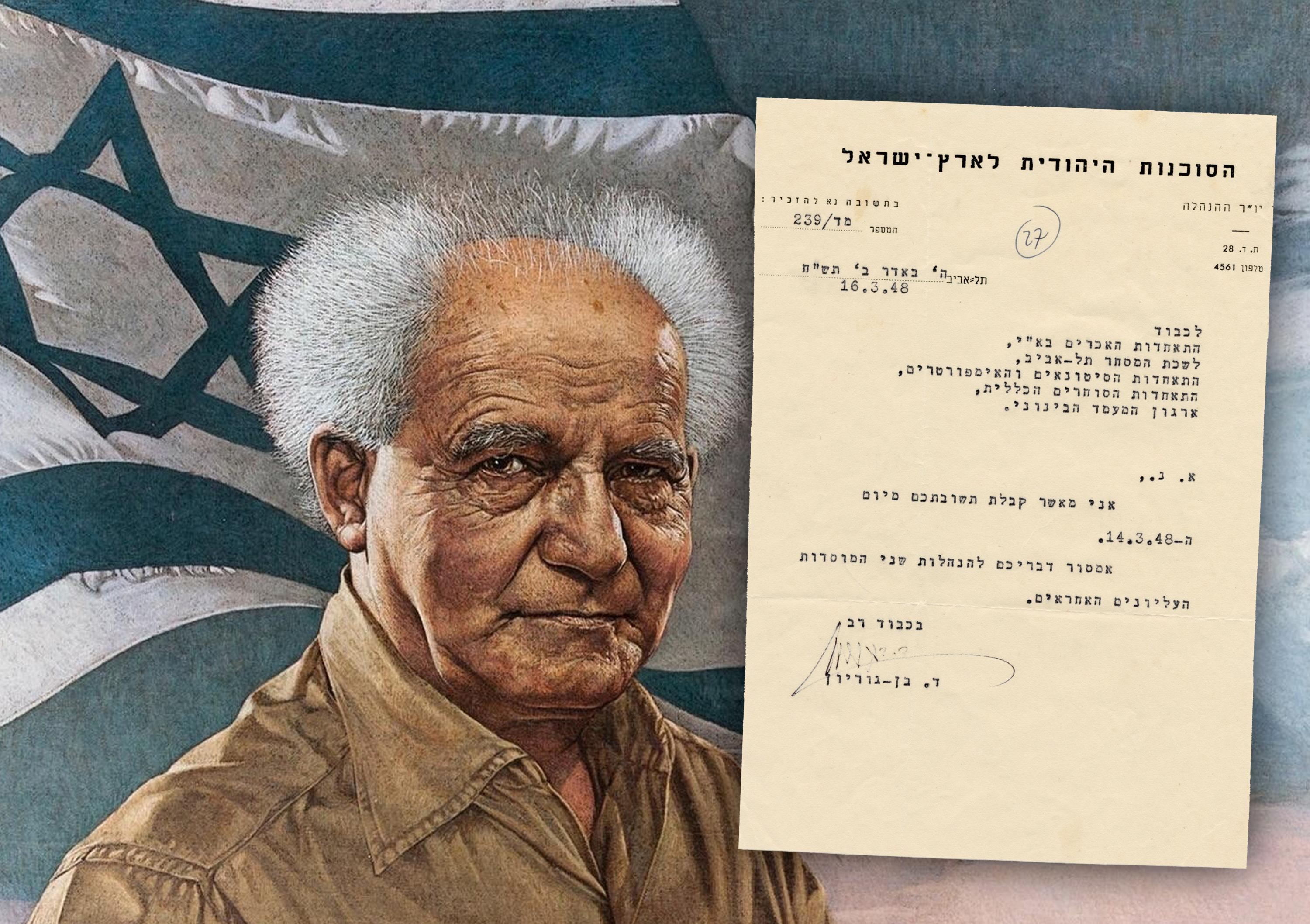
Lavon resigned in 1955. The affair resurfaced repeatedly in Israeli politics, contributing to deep divisions, particularly involving David Ben-Gurion. Although Lavon was later partially exonerated, his political career never recovered.
Historical significance
The Lavon Affair exposed serious failures in intelligence oversight and civilian control of the military. It remains one of the most controversial intelligence scandals in Israeli history and is often cited as a case study in covert operational failure.
What makes the Lavon Affair especially unsettling isn’t just the espionage, but the layers of deceit stacked on top of each other: civilians targeted for political manipulation, operatives kept in the dark about the bigger picture, allies meant to be fooled, and then years of denial and internal blame afterward. It fractured trust in every direction — between states, within Israel’s own government, and inside the intelligence services themselves. For the people involved on the ground, it must’ve been terrifying and disorienting: recruited under secrecy, told it was for national survival, then abandoned when it collapsed. And for the Egyptian Jewish community, the fallout was brutal — suspicion, repression, and accelerated emigration, even though most had nothing to do with it.
It’s one of those episodes that shows how intelligence operations don’t just “fail” tactically — they can rot institutions morally and politically long after the bombs don’t go off. Deceit has a long half-life.