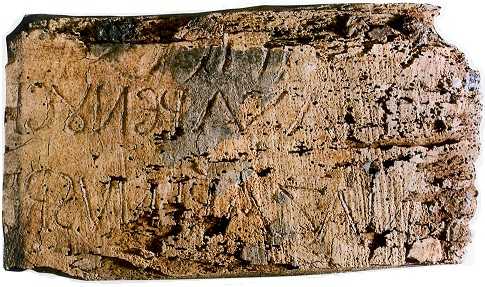
Titulus Above Jesus on the Cross
According to the New Testament, Pontius Pilate ordered a sign to be placed above Jesus during his crucifixion. The Gospels report that the inscription identified the charge for which Jesus was executed. In the Gospel of John 19:19–20, the text is rendered in English as: “Jesus of Nazareth, King of the Jews.” Similar accounts appear in Matthew 27:37, Mark 15:26, and Luke 23:38.
The inscription was written in three languages: Latin, Greek, and Hebrew (or Aramaic), as was customary for Roman administrative practice. The Latin version reads Iesus Nazarenus Rex Iudaeorum, the Greek version Ἰησοῦς ὁ Ναζωραῖος ὁ βασιλεὺς τῶν Ἰουδαίων, and the Aramaic/Hebrew version approximately Yeshua Hanatzri Melech HaYehudim.
Historically, a more precise translation of Iudaeorum/Ioudaion is “Judeans”, referring to the people of the Roman province of Judea rather than a religious category of “Jews.” From a Roman administrative perspective, the charge identified Jesus as the political leader of a subject population in Judea. Therefore, the historically nuanced translation is: “Jesus of Nazareth, King of the Judeans.”
This translation emphasizes the political and regional context of the crucifixion, aligning with Roman practices of labeling those executed for sedition or claims to kingship. It also distinguishes between ethnic, religious, and provincial designations in the first century, providing a more accurate historical understanding of the titulus.
The phrase appears in all three languages on the cross, and Pilate reportedly refused to alter it despite objections from Jewish leaders, according to John 19:21–22. The placement and wording of the titulus remain significant in both theological and historical studies of the crucifixion.