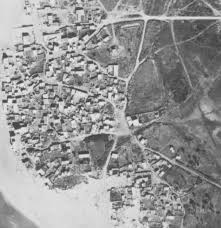
1948 Tantura Killings
The events at the Palestinian village of Tantura occurred during the **1948 Palestine war**, when forces of the Haganah, specifically the Alexandroni Brigade, engaged in the battle for the village on the night of **22–23 May 1948**. The village was located near Haifa and had a population of roughly 1,500 before its capture. Estimates of people killed during the events that followed range from dozens to over 200, according to various historical sources. :contentReference[oaicite:0]{index=0}
Controversy over the nature of the killings stems from research and testimony that surfaced decades later. In 1998, Israeli graduate student Theodore Katz wrote a master’s thesis claiming that Israeli troops killed Palestinian villagers after the surrender. The work drew on interviews with witnesses, including some former Alexandroni Brigade soldiers. A newspaper account of the thesis led to a libel suit by veterans of the brigade, and Katz was pressured to retract his conclusions. :contentReference[oaicite:1]{index=1}
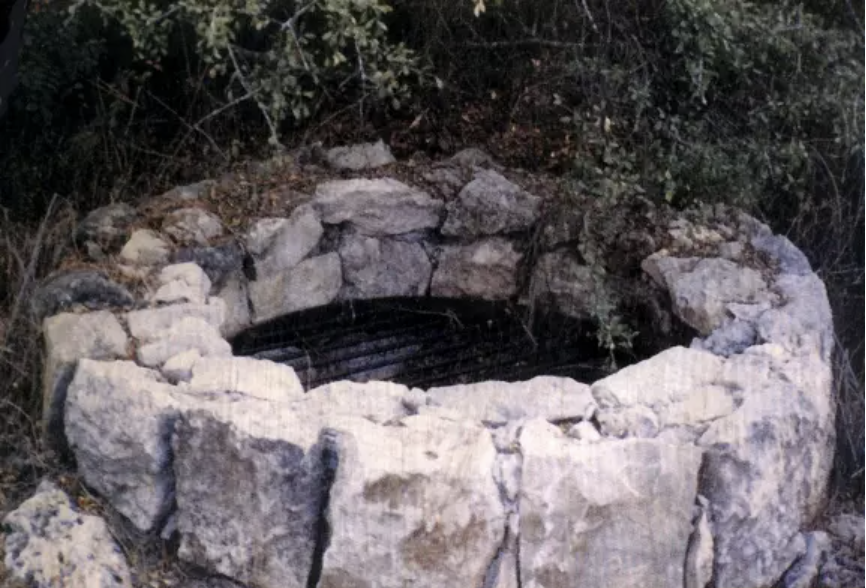
In January 2022, Israeli newspaper Haaretz reported that several former soldiers recounted incidents suggesting that villagers were shot after the battle’s end and that mass graves existed beneath what later became a beach parking lot. One former combatant, Moshe Diamant, stated that the events had been silenced and acknowledged that people were killed, though different testimonies vary in detail. Another veteran, Haim Levin, described an individual killing of prisoners. Additional accounts include reports of executions and descriptions of bodies found. :contentReference[oaicite:2]{index=2}
The events at Tantura remain a subject of historical and scholarly debate. Some researchers and documentary projects present veteran testimonies and archaeological evidence such as suspected mass grave sites, while others emphasize the lack of direct archival records from 1948. Various interpretations reflect differing approaches to understanding complex and contested histories from the period of the 1948 war. :contentReference[oaicite:4]{index=4}
“They silenced it,” the former combat soldier Moshe Diamant says, trying to be spare with his words. “It mustn’t be told, it could cause a whole scandal. I don’t want to talk about it, but it happened. What can you do? It happened.”
.jpg)