Expiration of the New START Nuclear Arms Control Treaty and Diplomacy with Iran
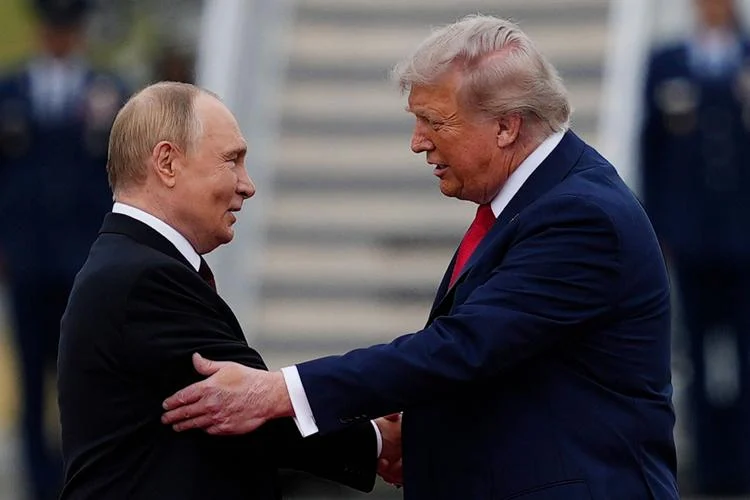
On February 5, 2026, the last remaining nuclear arms control treaty between the United States and Russia, known as the New START treaty, expired at midnight after both parties failed to negotiate a replacement agreement. The treaty, which had limited deployed strategic nuclear warheads and delivery systems, had been in force since its implementation and was designed to reduce the risk of nuclear confrontation between the two countries. Following the expiration, U.S. and Russian officials issued public statements outlining their positions, with Moscow indicating openness to further diplomacy while emphasizing national security priorities and Washington urging continued dialogue on nuclear risk reduction.
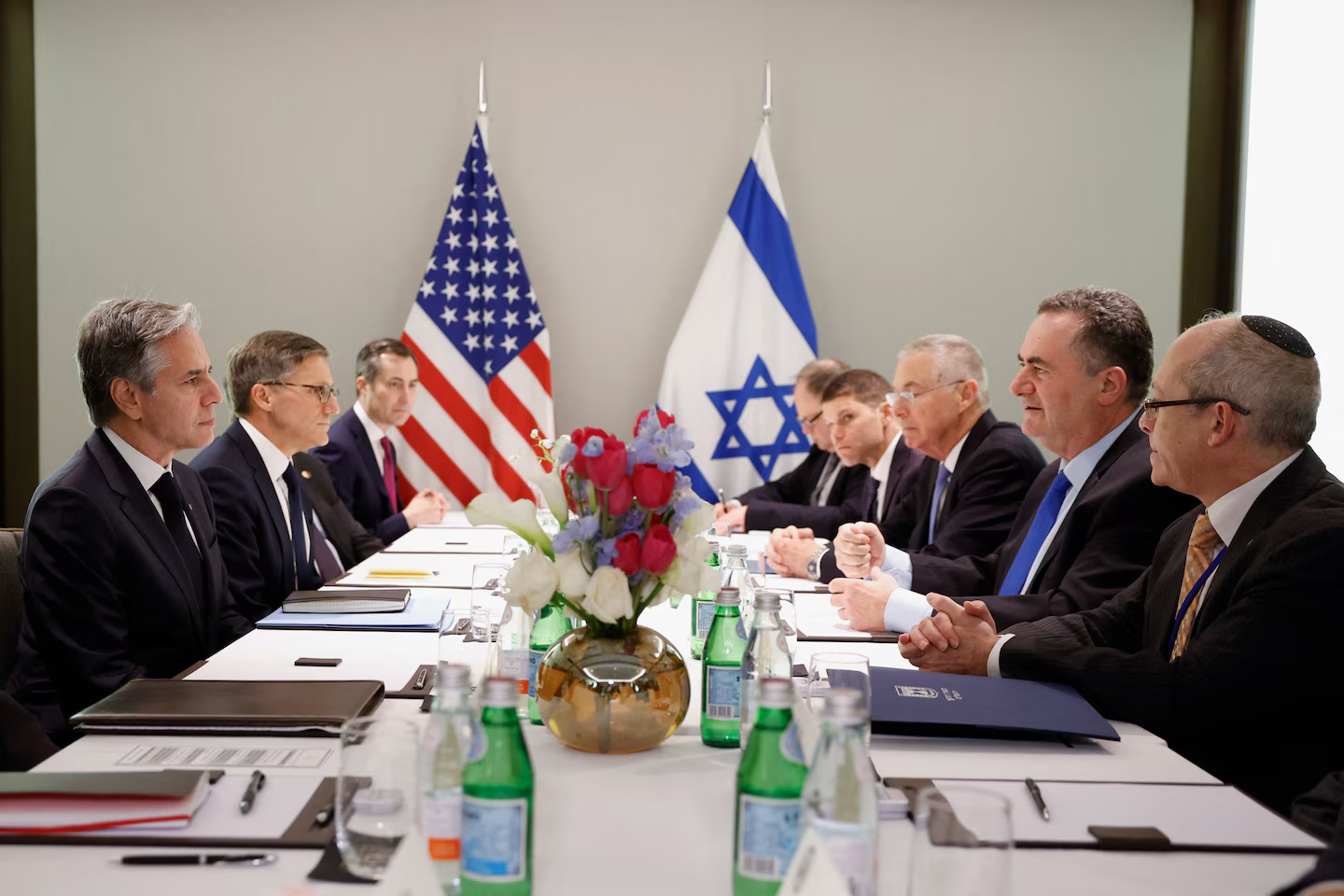
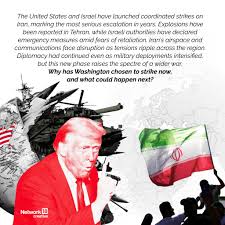
In parallel diplomatic developments on the same day, the United States and Iran agreed to hold nuclear talks in Oman, rescheduling negotiations from Turkey to address Iran’s nuclear program. Representatives from Qatar, Turkey, and Egypt were expected to participate as mediators, proposing frameworks that could include limits on Iran’s uranium enrichment activities. U.S. officials stated that the discussions aimed to reduce tensions and explore pathways toward a negotiated pause in nuclear activities, though no formal agreement was expected at the onset of talks.
The expiration of the New START treaty raised concerns among international security analysts about the potential for an accelerating arms race and reduced transparency between major nuclear powers. United Nations officials and diplomatic sources highlighted the need for renewed arms control frameworks to maintain strategic stability, while foreign ministries in several countries urged both the United States and Russia to commit to future negotiations. The U.S.–Iran talks in Oman were viewed as an extension of broader efforts to manage nuclear tensions in multiple geopolitical theaters.
.jpg)