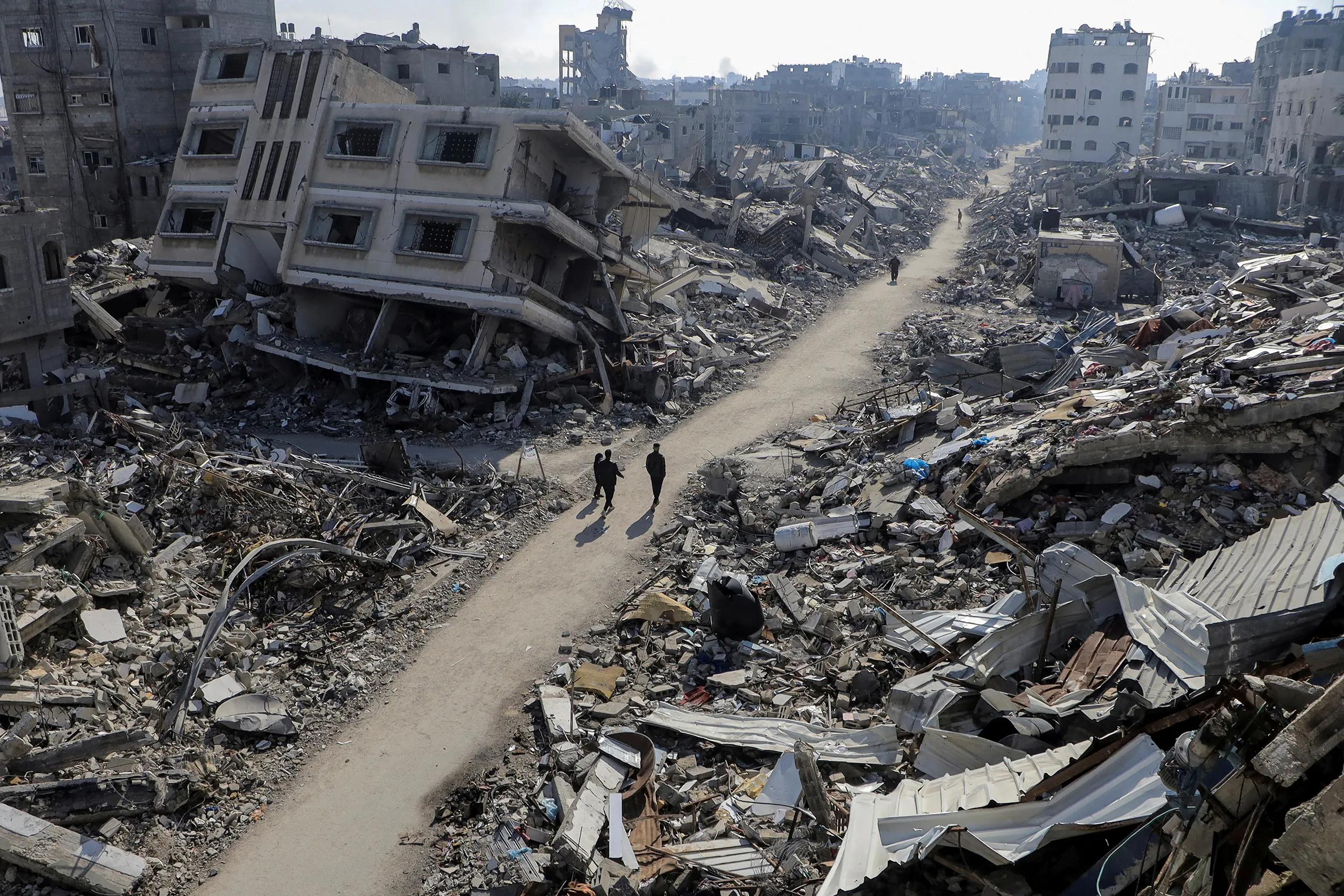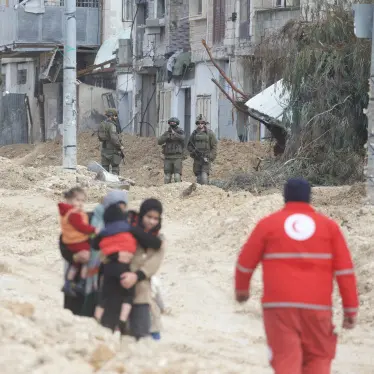
There is no real pause button for civilians in the West Bank and Gaza. The restrictions do not switch off at night. The fear does not fade with sunrise. Checkpoints, roadblocks, military patrols, surveillance towers, and a complex permit system shape nearly every movement. A trip to work, to school, or to a hospital can hinge on paperwork, closures, or sudden security operations. In Gaza, the blockade continues to limit electricity, fuel, construction materials, and medical supplies, compressing daily life into a space where shortages are routine and uncertainty is constant.
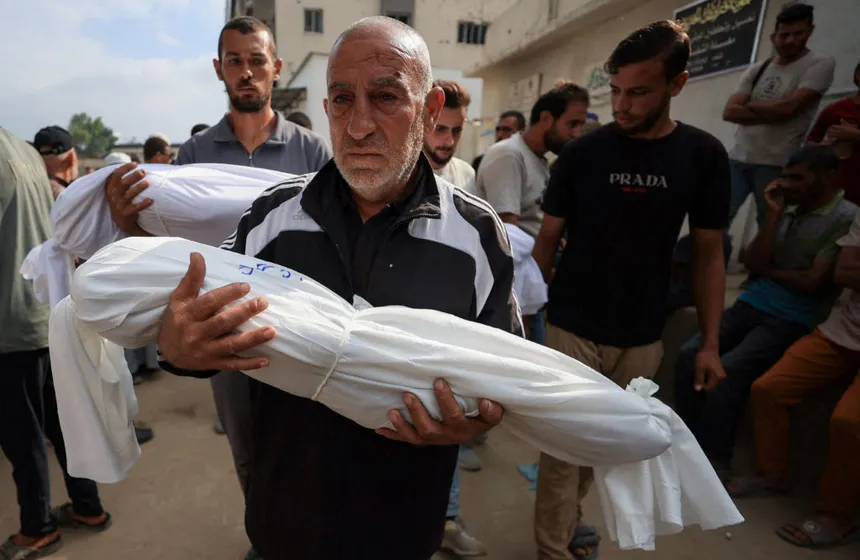
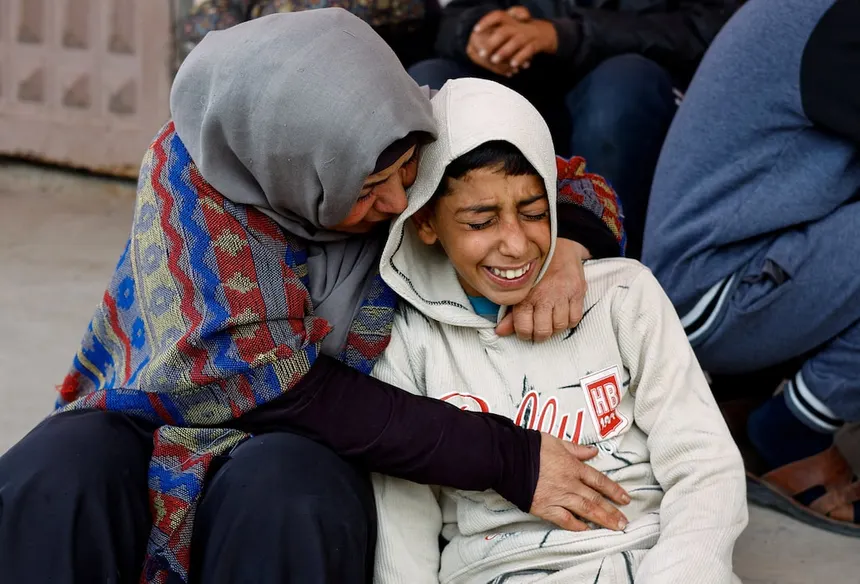
Children absorb this instability as part of their normal. They memorize the sounds of drones overhead and explosions in the distance. Schools close abruptly during escalations. Families crowd into interior rooms during airstrikes. Humanitarian agencies and United Nations bodies have repeatedly documented civilian injuries, displacement, and widespread psychological trauma among minors exposed to recurring hostilities. Mental health professionals report symptoms of chronic anxiety, sleep disorders, and post-traumatic stress among children who have never experienced sustained calm.
In parts of the West Bank, families live with demolition orders hanging over their homes. Building permits are often difficult for Palestinians to obtain, and structures built without them risk being destroyed. Entire communities face land confiscation or restrictions on access to farmland. Each demolition is not just the loss of concrete walls, but the erasure of savings, stability, and memory. Poverty deepens as movement limits employment and trade, leaving many households dependent on humanitarian assistance to survive.
Hospitals operate in a state of strain that borders on crisis during periods of intensified violence. Power shortages disrupt treatment. Overcrowded emergency rooms struggle to manage waves of casualties. Patients in Gaza who require specialized care outside the territory must apply for permits that can be delayed or denied, adding bureaucratic uncertainty to medical urgency.
International organizations continue to call for the protection of civilians under international humanitarian law, warning that prolonged occupation and recurring military operations create conditions of sustained hardship. Israeli authorities state that security measures and restrictions are necessary responses to ongoing threats and attacks. Yet humanitarian monitors consistently emphasize that the cumulative burden falls most heavily on civilians — particularly children — who experience the conflict not as policy or strategy, but as daily fear, confinement, and loss.
For many Palestinian families, survival is not a dramatic headline but a relentless routine: navigating checkpoints, conserving water, listening for explosions, checking on relatives, rebuilding after damage, and waking up to do it again. The crisis is not only in the moments of violence — it is in the long stretches of waiting, restriction, and uncertainty that define ordinary life.
.jpg)