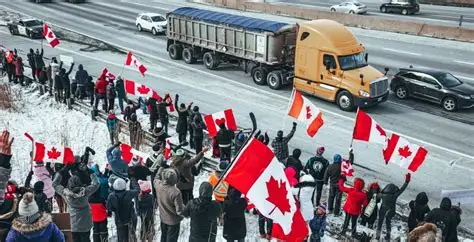
From late January to mid‑February 2022, a large convoy of truck drivers and supporters known as the “Freedom Convoy” gathered in downtown Ottawa and at key border crossings to protest COVID‑19 vaccine and travel mandates. What began as a demonstration by commercial drivers expanded into one of the largest prolonged protest actions in recent Canadian history. The convoy drew both supporters frustrated with pandemic policies and critics concerned about public safety and disruption.
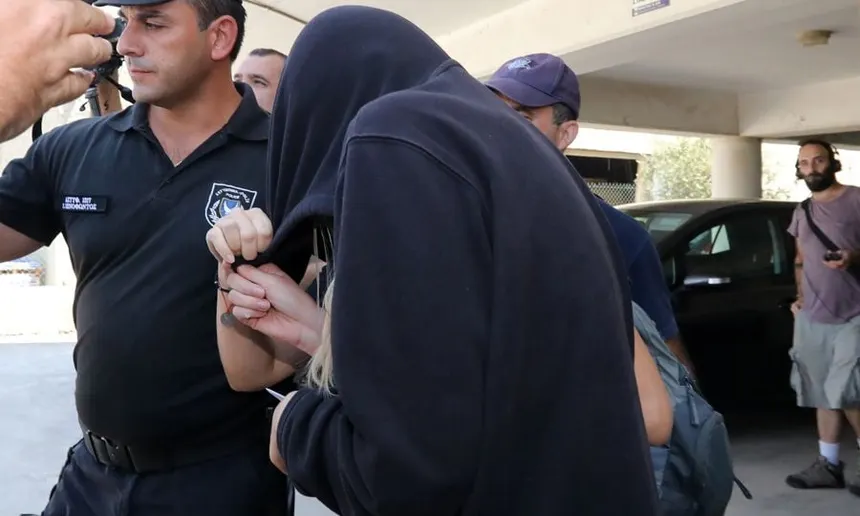
As weeks passed, law enforcement faced mounting challenges in responding to the occupation of Ottawa’s downtown core. Videos and reports from the period show police mounted units deployed to disperse protesters in close quarters, with some footage showing physical clashes between officers, police horses, and demonstrators. Multiple agencies, including the Royal Canadian Mounted Police (RCMP) and Ottawa Police, conducted arrests while clearing encampments.
On February 14, 2022, Prime Minister Justin Trudeau invoked the Emergencies Act — a federal power invoked for the first time since its enactment — granting authorities temporary extraordinary measures to address what the government described as blockades and threats to economic and public safety. Under those powers, police and financial regulators were authorized to remove trucks blocking streets, arrest protesters, suspend insurance for vehicles used in illegal blockades, and freeze bank accounts linked to participants and organizers.
The freezing of bank accounts and financial controls became a central point of dispute. The RCMP shared information with financial institutions, and some protesters’ personal and business accounts were frozen under court orders. In subsequent legal challenges, courts found aspects of the Emergencies Act’s application unreasonable and infringing on Charter protections such as freedom of expression and protection against unreasonable search and seizure. Organizers including Chris Barber filed lawsuits claiming their rights were violated by account freezes.
Critics — including civil liberties advocates and some legal rulings — argued that the manner in which extraordinary powers were used raised serious questions about due process, proportionality, and respect for constitutional rights. Supporters of the government’s actions maintained they were necessary to end a prolonged blockade that disrupted residents, businesses, and critical supply chains. The controversy continues to stimulate debates in Canada over civil liberties, public order, and the limits of emergency powers in democratic societies.