Herero And Nama Genocide
On January 12, 1904, members of the Herero community initiated an armed uprising against German colonial authorities in German South West Africa, present-day Namibia. The conflict followed years of territorial dispossession, livestock confiscation, labor coercion, and racial segregation policies implemented under German imperial administration.
In October 1904, General Lothar von Trotha issued a written extermination order targeting the Herero population. German forces forced large numbers of civilians into the Omaheke Desert, restricted access to water sources, and conducted military sweeps. Subsequent campaigns against the Nama community followed in 1905, resulting in similar military repression and mass detentions.
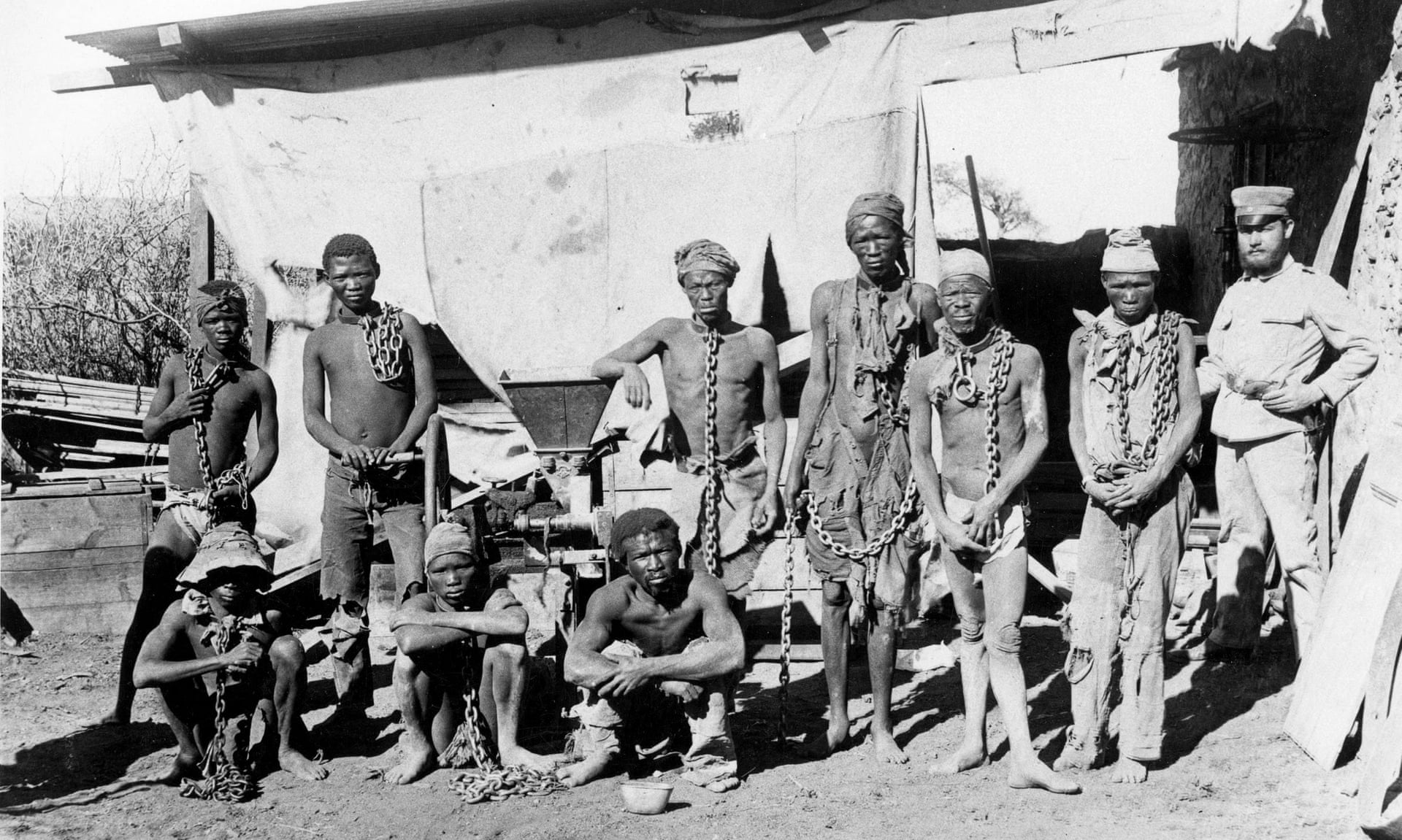
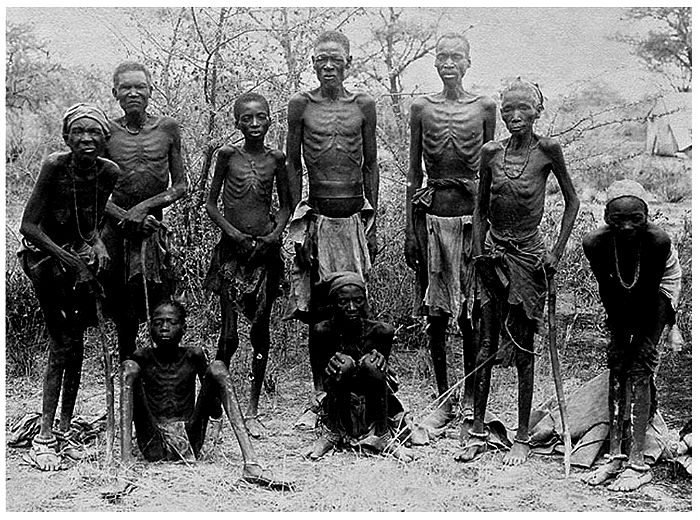
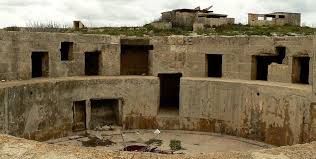
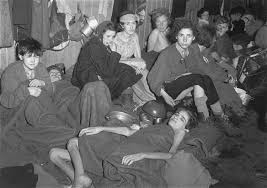
Survivors were interned in detention camps, including facilities at Shark Island near Lüderitz, where forced labor, disease, malnutrition, and exposure caused high mortality rates. Between 1904 and 1908, an estimated 65,000–80,000 Herero and approximately 10,000 Nama were killed. The aftermath included large-scale land confiscation, population displacement, and restructuring of colonial settlement in the territory.


.jpg)