The Tengu are supernatural beings from Japanese mythology known for their association with mountains, forests, and spiritual power. They have been part of traditional folklore for centuries and are recognized for their distinctive appearance and complex role in mythological narratives.
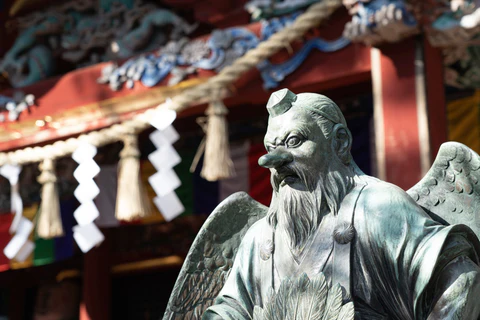
Early depictions of tengu portrayed them as bird-like creatures with wings, claws, and beak-shaped faces. Over time, these features evolved into a more humanoid form, with long noses, red faces, and traditional clothing. They are commonly said to inhabit remote mountainous regions, far from populated areas.
In older folklore, tengu were often described as disruptive or dangerous beings. Stories attributed to them include misleading travelers, creating illusions, and abducting individuals who entered their territory. These accounts frequently portrayed tengu as punishing arrogance or improper behavior.
With the influence of Buddhism and Shinto, their portrayal shifted over time. Tengu came to be seen less as purely harmful entities and more as complex figures with roles that included guarding sacred spaces and enforcing moral discipline.
Some traditions describe tengu as highly skilled in combat and strategy. They are often depicted as teachers who pass knowledge to humans deemed worthy. One well-known legend involves Minamoto no Yoshitsune, who is said to have received martial training from tengu.
In some older myths they do abduct people, including children, but these stories are usually framed as acts of punishment, trickery, or supernatural mischief rather than random cruelty.
Modern interpretations present tengu as neither entirely good nor entirely evil. They are regarded as beings capable of both harm and guidance, depending on the behavior of those who encounter them. Their continued presence in folklore reflects enduring themes of respect, discipline, and the consequences of human actions.