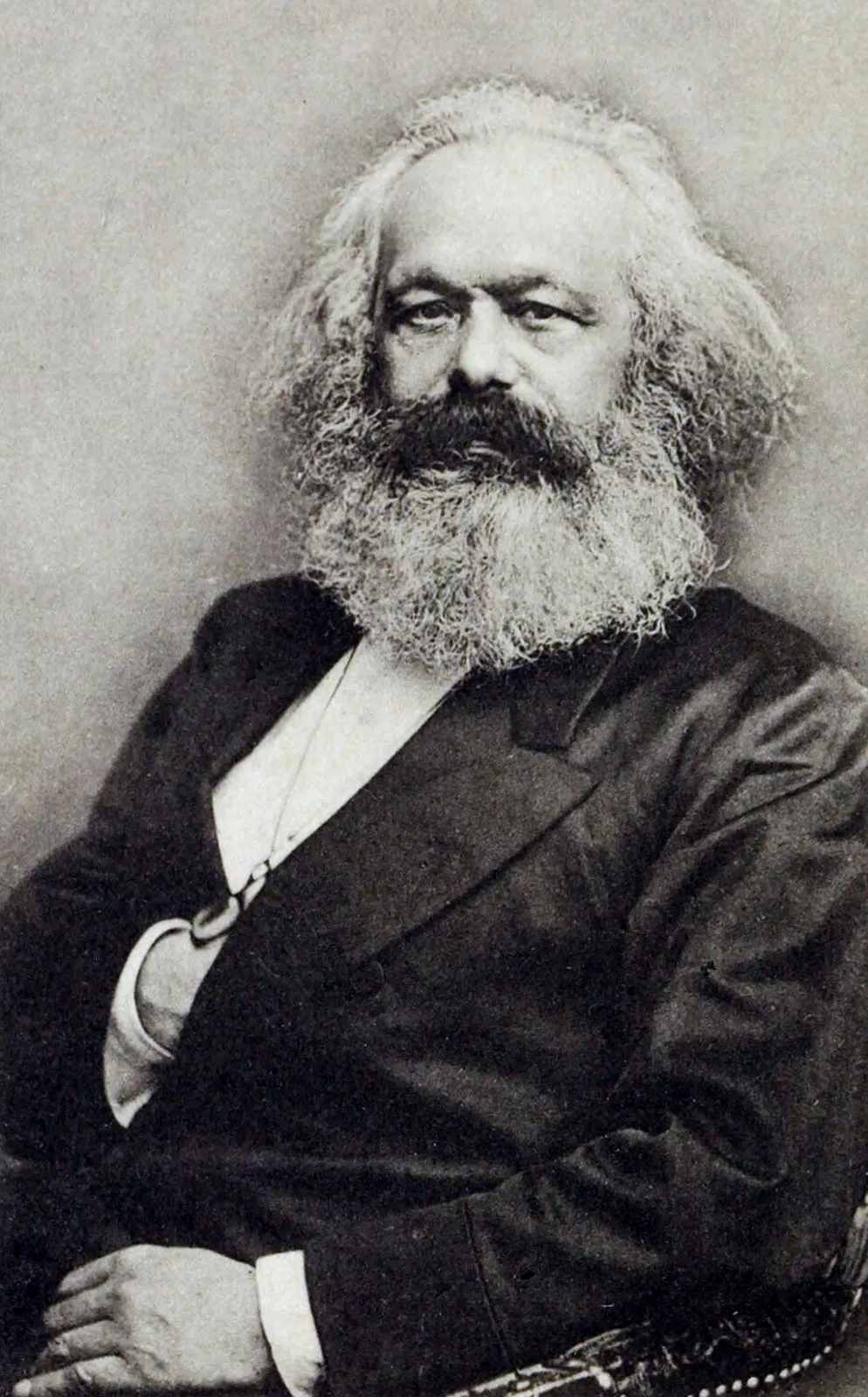
Karl Marx was a German philosopher, economist, and political theorist born in Trier, Prussia, in 1818. His work contributed to the development of socialist and communist political theory in the 19th century. Marx studied philosophy and history and later became associated with the development of historical materialism.
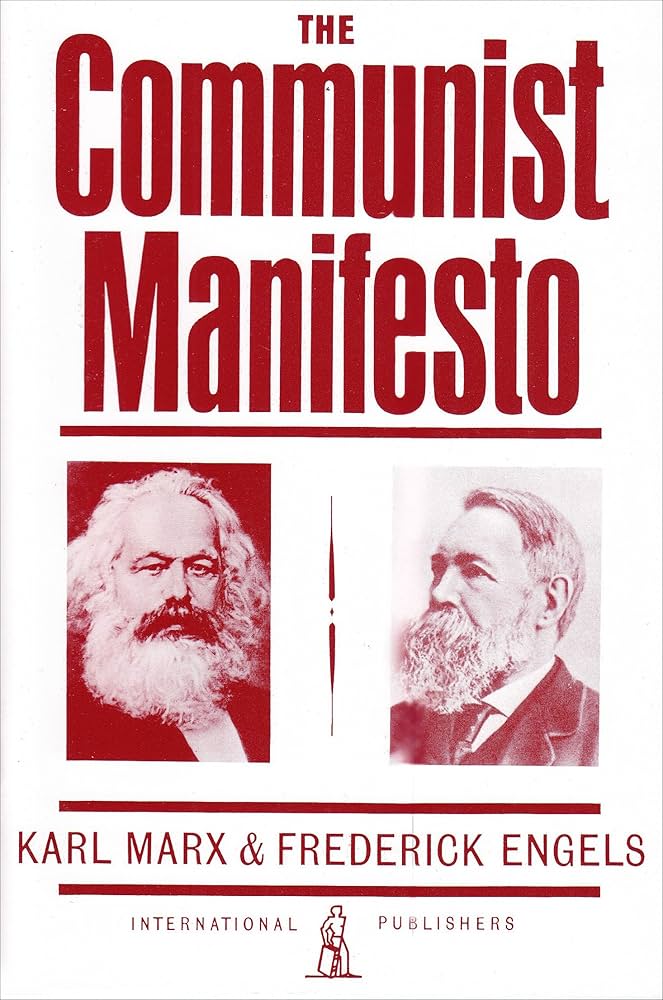
In 1848, Karl Marx co-authored The Communist Manifesto with Friedrich Engels. The text outlined a theory of class struggle and argued for the replacement of capitalist systems with collective ownership of the means of production. The pamphlet became one of the most widely known political writings associated with communism.
In 1844, Marx wrote On the Jewish Question, an essay discussing political emancipation, religion, and civil rights in the context of European society. The text has been the subject of extensive academic interpretation and debate regarding its historical and philosophical meaning.
In later years, various compilations of Marx’s early writings were published after his death in 1883. One controversial collection sometimes circulated under the title A World Without Jews (1959) has been described as a selective and disputed compilation of his earlier essays. It is not considered an original work by Marx, and its framing and editorial intent have been widely discussed and criticized in academic contexts.
Marx’s writings influenced numerous political movements and intellectual traditions in the 19th and 20th centuries, particularly those associated with socialist and communist theory.