Iran said on August 9, 2026, that an agreement with Oman concerning shipping routes through the Strait of Hormuz was approaching completion. Iranian Foreign Minister Abbas Araqchi said the arrangement would establish revised maritime routes but would not by itself result in the full reopening of the strait.
The Strait of Hormuz connects the Persian Gulf with the Gulf of Oman and is a major route for international oil and liquefied natural gas shipments. Commercial traffic through the waterway has remained substantially below normal levels following the conflict involving Iran, the United States, and Israel that began on February 28, 2026.
Iran has stated that additional political and economic conditions must be addressed before normal navigation resumes. Iranian officials have called for measures including sanctions relief, access to frozen Iranian assets, compensation related to military strikes, and changes to United States actions in the region. The United States and Iran have not reached agreement on those broader issues.
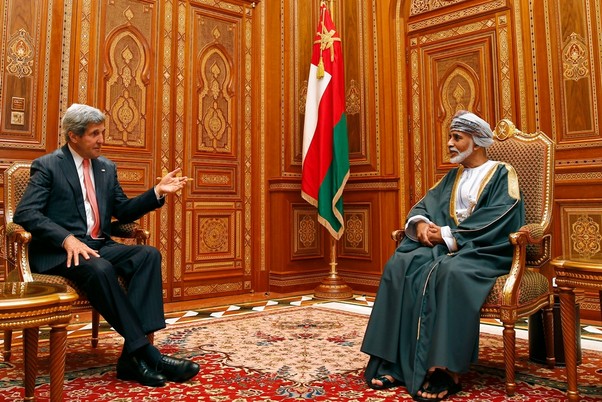
Oman has served as an intermediary in discussions involving Iran and other governments. The proposed Iran-Oman arrangement concerns maritime traffic through waters separating the two countries, but its final terms had not been publicly completed as of August 9.
The status of the Strait of Hormuz has broader economic significance because the route has historically carried about one-fifth of global oil and liquefied natural gas supplies. Continued restrictions affect energy exporters in the Persian Gulf, international shipping companies, importing countries, and global energy markets.