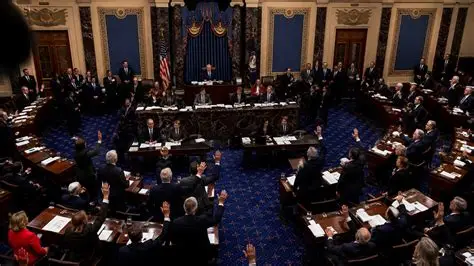
The United States Senate passed legislation on August 7, 2026, expanding economic sanctions against Russia and maintaining sanctions involving Iran. The measure passed by a vote of 86 to 11 and was named the Lindsey O. Graham Sanctioning Russia and Iran Act of 2026.
The legislation targets Russian government officials, financial institutions, energy activities, and mechanisms used to avoid existing sanctions. It also gives the United States president authority to impose tariffs on goods from countries that remain among the largest purchasers of Russian oil or natural gas or that assist Russia in avoiding energy sanctions.
Countries potentially affected by the tariff provisions include major purchasers of Russian energy such as China and India. The legislation allows tariffs of up to 100 percent under specified circumstances, creating a mechanism for applying economic pressure not only to Russia but also to countries that continue significant energy trade with Moscow.
The measure was developed during the continuing Russia-Ukraine war as lawmakers sought additional methods of reducing revenue available to the Russian government from international energy exports. Russian oil and gas sales have remained an important component of the country's external trade despite sanctions imposed by the United States and other governments since Russia's invasion of Ukraine in 2022.
Senate passage did not make the legislation law. The measure still required approval by the House of Representatives and the president before its provisions could take effect. Debate over the legislation also included concerns about the economic effects of tariffs on American importers, consumers, and trade relations with countries purchasing Russian energy.