The Ninety-Five Theses
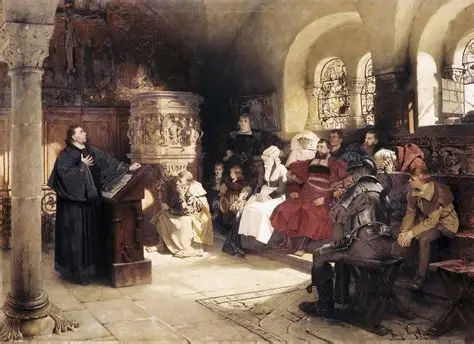
The Ninety-Five Theses were written in 1517 by Martin Luther. They criticized the sale of indulgences by the Catholic Church.
Historical Background
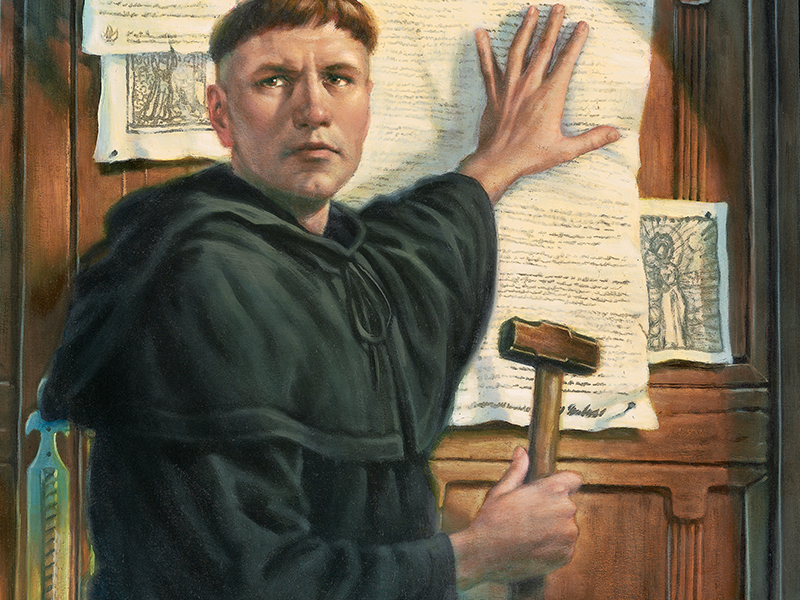
In the early 16th century, the Catholic Church taught that indulgences could reduce time in purgatory. Luther opposed this. On October 31, 1517, he reportedly posted the Theses on the door of the Castle Church in Wittenberg, Germany.
Key Ideas
The Theses stated that salvation comes through faith, not money or works. Luther said repentance is spiritual and cannot be purchased. He also questioned the Pope’s authority to forgive sins.
Views on Jews
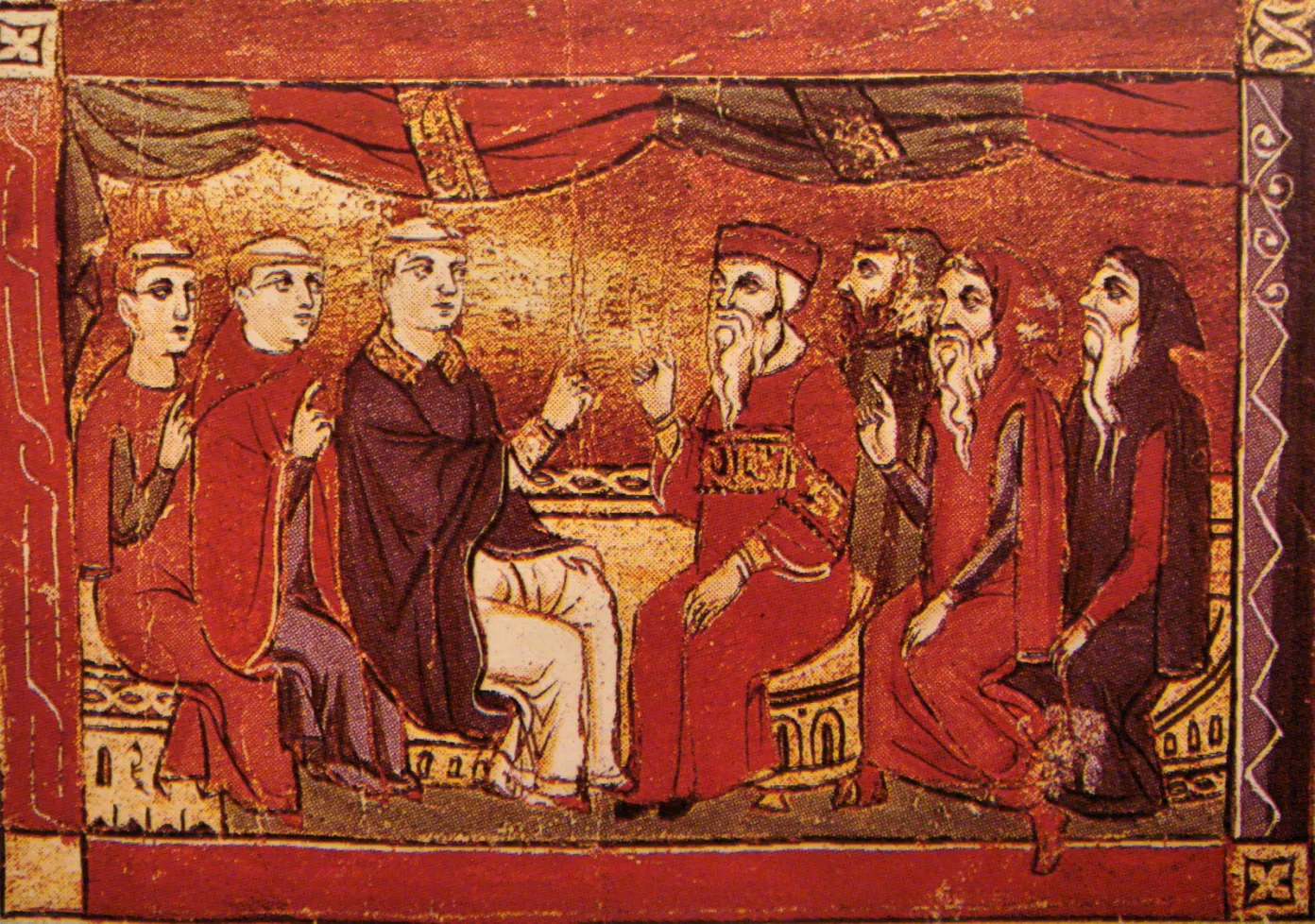
Luther’s views on Jews changed over time. In 1543, in "On the Jews and Their Lies," he expressed anti-Jewish views, calling for destruction of synagogues, homes, and texts. These views are not part of the Ninety-Five Theses.
Impact
The Ninety-Five Theses started the Protestant Reformation, leading to new Protestant churches and significant changes in Europe. Luther’s later writings remain historically examined.