International Criminal Court Arrest Warrants for Israeli Leaders
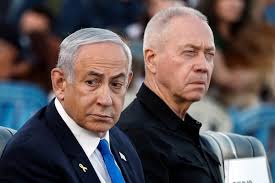
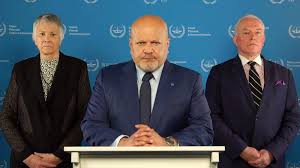
On 21 November 2024, the International Criminal Court (ICC) issued arrest warrants for Israeli Prime Minister Benjamin Netanyahu and former Defense Minister Yoav Gallant. The warrants were issued after a court investigation into alleged war crimes and crimes against humanity during the Gaza war, including actions occurring from at least 8 October 2023 until at least May 2024. The ICC also issued an arrest warrant for Hamas military commander Mohammed Deif in connection with the same situation.
The ICC pre-trial chamber found reasonable grounds to believe that Netanyahu and Gallant each bore criminal responsibility as co-perpetrators for committing the war crime of using starvation of civilians as a method of warfare. They were also accused of crimes against humanity including murder, persecution, and other inhumane acts. The warrants were issued under the Rome Statute, the treaty that established the ICC.
Israel is not a party to the Rome Statute and therefore is not subject to ICC jurisdiction in the same way as member states. The ICC’s decision means that ICC member states are required to detain Netanyahu and Gallant if they enter their territories, although enforcement depends on the cooperation of those states. Some countries, including Hungary, have indicated they would not comply with the warrants and have provided political support to Netanyahu.
Reactions to the ICC’s decision varied internationally. Some countries and human rights organizations welcomed the issuance as a step toward accountability under international law. Other governments criticized the decision, including the United States, which condemned the warrants. Israel and its officials rejected the ICC’s findings and raised objections to the court’s jurisdiction and procedures regarding the case.
The ICC’s arrest warrants do not by themselves result in charges being tried in court; they are steps in a judicial process that requires cooperation from member states for enforcement. The situation remains subject to ongoing legal and diplomatic developments involving the ICC, Israel, and other governments.