523 AD: Najran Massacre
The Christian population of Najran (modern southern Saudi Arabia) faced persecution under the Himyarite Kingdom, leading to deaths and forced conversions.
7th–11th Centuries: Islamic Conquests
Christian towns in Palestine, Lebanon, Syria, and Arabia came under Muslim rule. Local communities largely retained their religious practices under varying autonomy.
1099–1291: Crusader Era
Christian states were established in Palestine during the Crusades. Local Christian populations experienced war, population shifts, and administrative changes.
16th–19th Centuries: Ottoman Rule
Christian villages in Galilee, Jerusalem, Bethlehem, and surrounding areas were governed by the Ottoman Empire. Periodic taxation and local conflicts affected demographics.
1948: Depopulation of Iqrit
Iqrit, a Christian village in Galilee, was evacuated during the Arab–Israeli War and residents were not allowed to return, despite legal orders.
1948: Depopulation of Kafr Bir’im
Kafr Bir’im, another Christian village in Upper Galilee, was depopulated. Descendants have maintained ties to the village church but could not return.
1949: Maaloul Destroyed
Maaloul, a Christian-majority village, was evacuated and demolished, and its residents were relocated to nearby towns.
1948: Ein Karim Depopulation
Ein Karim, a historic Christian community near Jerusalem, lost its Palestinian population during the 1948 war and was incorporated into West Jerusalem.
1948: El-Maliha Depopulation
El-Maliha, another Christian-inhabited village, was depopulated and absorbed into West Jerusalem, with original residents displaced.
1967: Post Six-Day War Occupation
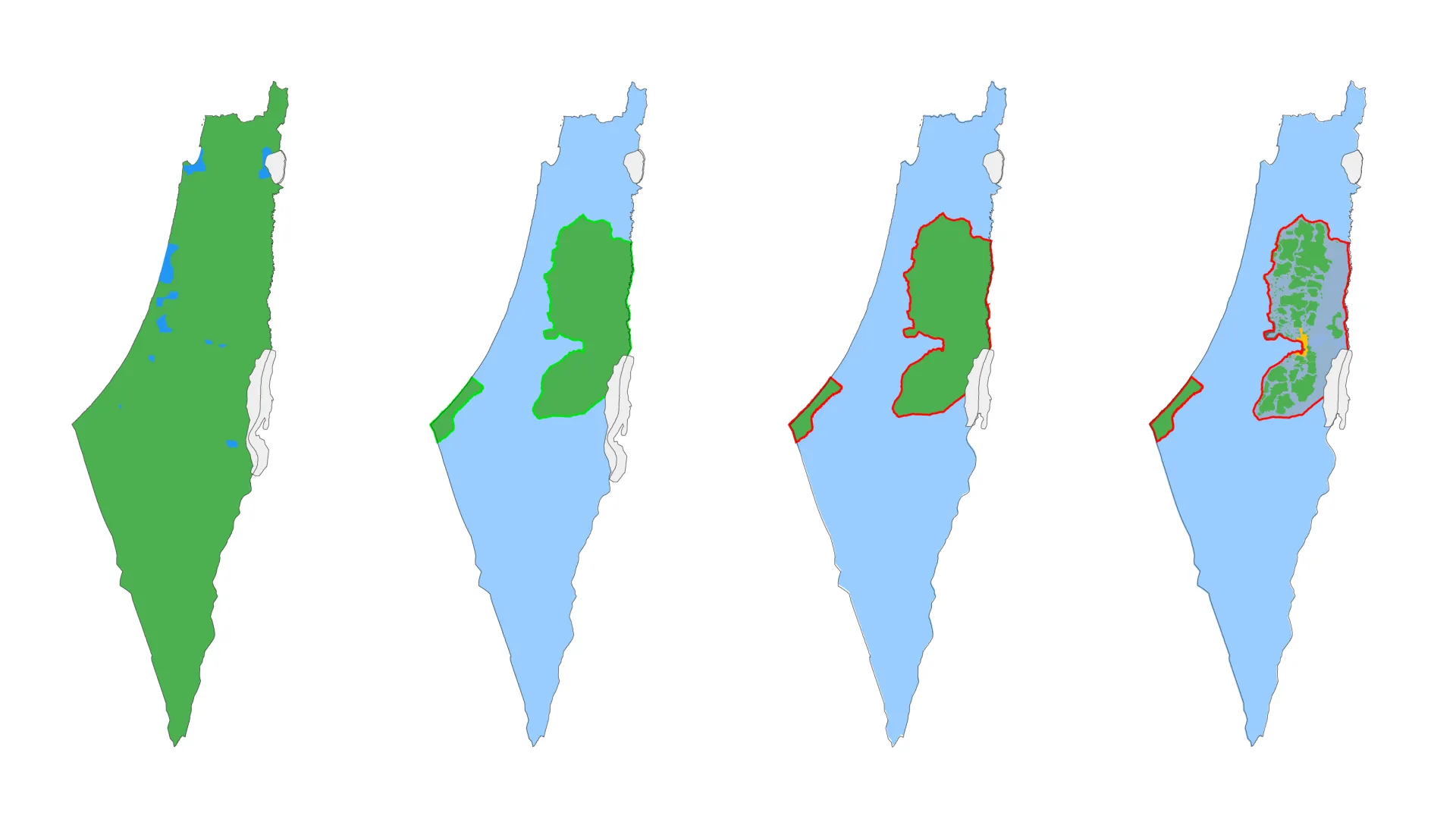
Christian villages in the West Bank came under Israeli military occupation. Land restrictions, checkpoints, and settlement expansion began affecting communities.
1970s–1980s: Church Property Restrictions
Church properties in Beit Jala, Taybeh, and Bethlehem faced access limitations, zoning restrictions, and impacts from nearby settlement construction.
1990s: Settlement Expansion Pressure
Christian towns experienced demographic shifts and migration due to nearby settlements, limited economic opportunities, and ongoing occupation policies.
2000s: Taybeh Community Preservation
Taybeh remains a fully Christian village, preserving its heritage and religious practices despite surrounding occupation and land limitations.
2000s–2020s: Beit Jala Demographics
Beit Jala retains a Christian population but faces restricted land access, proximity to settlements, and urban pressures under occupation.
2020s: Ongoing Occupation Challenges
Christian villages continue to face limited expansion opportunities, economic pressures, and demographic changes, while maintaining cultural and religious heritage.