In 1908, British-born Jewish writer and playwright **Israel Zangwill** published his play **“The Melting Pot”**, which popularized the phrase as a metaphor for American society. The term described the **idea that immigrants from diverse backgrounds could as...
Herero And Nama Genocide On January 12, 1904, members of the Herero community initiated an armed uprising against German colonial authorities in German South West Africa, present-day Namibia. The conflict followed years of territorial dispossession, livest...
In early 1900s New York, rising kosher meat prices led Jewish immigrant women to organize a boycott, involving thousands of participants. This protest was a significant stand against economic exploitation and demonstrated community solidarity. Despite its s...
The Selk'nam genocide refers to the systematic extermination of the Selk'nam people, indigenous inhabitants of the Tierra del Fuego archipelago in Patagonia, during the late 19th and early 20th centuries. Fueled by expansionist cattle ranching interests and...
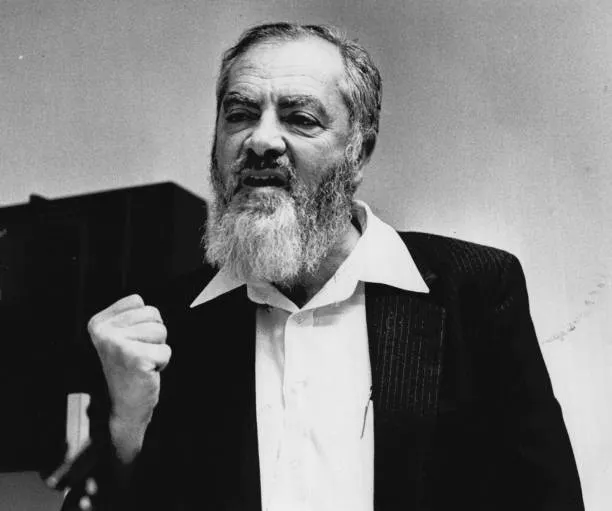
Abraham Isaac Kook (December 9, 1865 – September 1, 1935) was a Jewish religious thinker, rabbi, and the first Ashkenazi Chief Rabbi of British Mandate Palestine. He is known for his writings on Jewish law, mysticism, and the spiritual significance of Jewis...
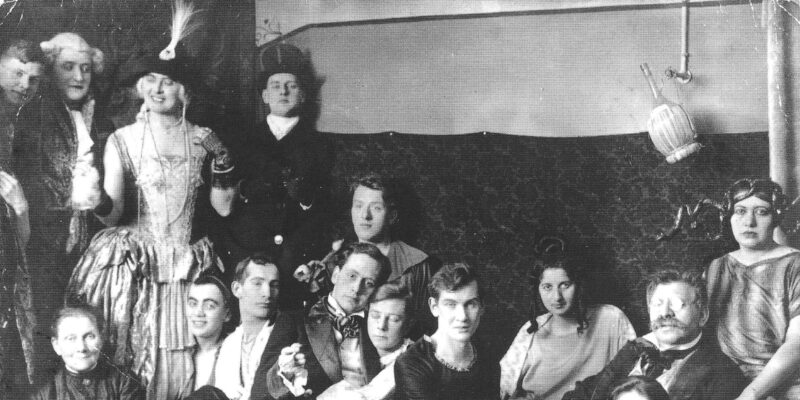
The Wissenschaftlich-humanitäres Komitee, widely recognized as the first organization advocating for the rights of homosexual individuals, was established in Berlin in May 1897. The group was founded by physician and sexologist Magnus Hirschfeld along with ...
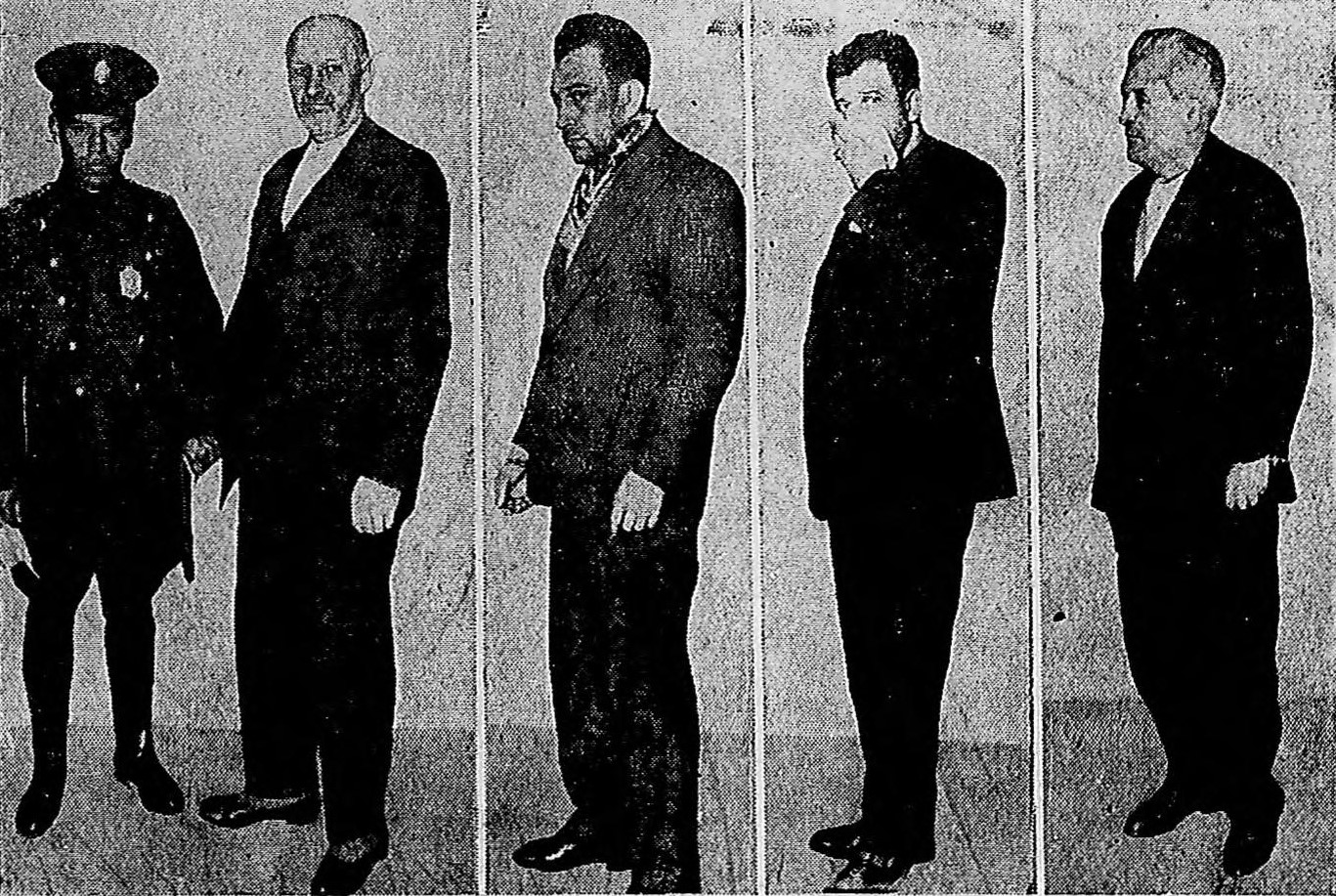
Alexander Orlov, born Lev Lazarevich Feldbin on 21 August 1895 in Bobruisk, was a Soviet NKVD officer from an Orthodox Jewish family. He later operated under several aliases, including Lev Nikolsky and Alexander Orlov. Alexander Orlov was the principal n...
Gaston Méry (10 31 1866 – 6 17 1909), a French journalist and playwright, is among the first documented figures to use the term “racisme” in French nationalist and antisemitic political writings from January 1, 1890 to December 31, 1900. Méry’s usage helped...
The Paris Commune established a radical socialist government in Paris after the Franco-Prussian War, representing worker self-rule and inspiring future socialist movements.
The Meiji Restoration transformed Japan by centralizing power under the emperor, modernizing the economy and military, and adopting Western political and industrial practices.