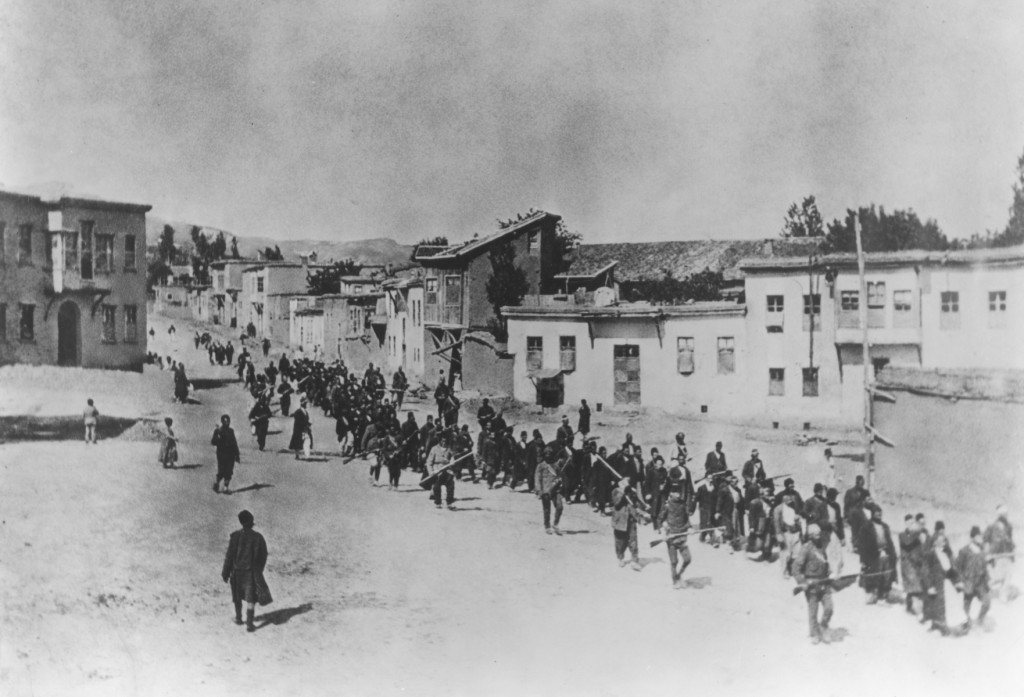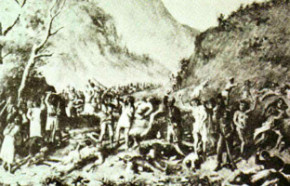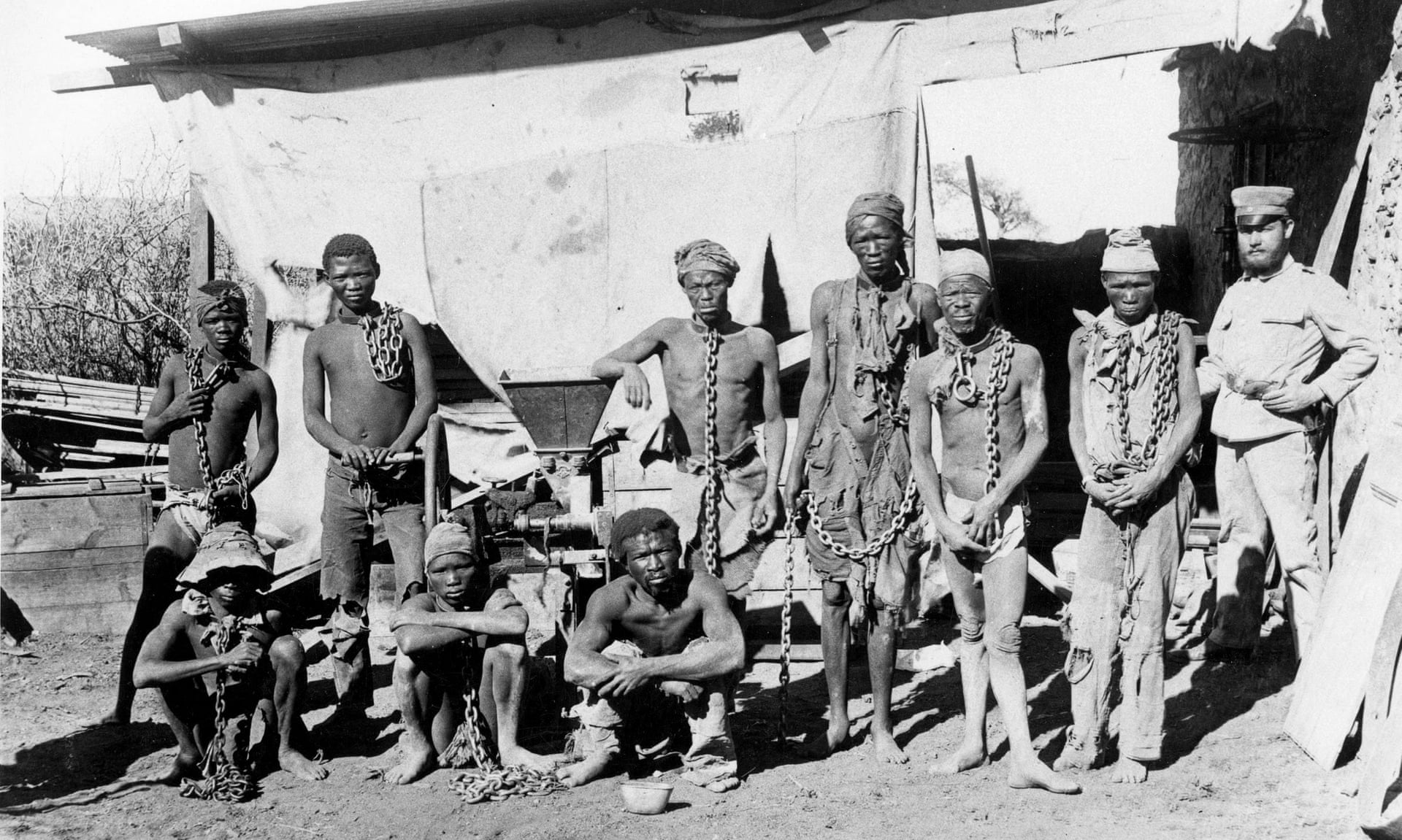
The Khoisan genocide refers to the systematic killings and displacement of the indigenous Khoisan peoples of Southern Africa during the 18th and 19th centuries. This genocide was primarily perpetrated by European colonial settlers and Boer migrants driven b...
The Tasmanian Aboriginal Genocide refers to the systematic extermination and dispossession of the indigenous Tasmanian population by British colonists during the early 19th century. Following the establishment of European settlements on the island of Tasman...
Karl Marx was a German philosopher, economist, and political theorist born in Trier, Prussia, in 1818. His work contributed to the development of socialist and communist political theory in the 19th century. Marx studied philosophy and history and later bec...
Simon Bolivar led liberation movements across South America, achieving independence for multiple countries and spreading republican ideals inspired by Enlightenment thought.
A diplomatic mission was sent from Washington to China to establish formal relations and discuss trade opportunities. The delegation aimed to enhance communication between the two growing nations.The mission included envoys who carried letters from American...
The Vendée Massacres occurred during the War in the Vendée, a counter-revolutionary uprising in western France from 1793 to 1796. The conflict was marked by violent clashes between Royalist forces and the French Revolutionary government.The massacres involv...
Emancipation of Jews in Russia under Catherine II In 1791, Empress Catherine II of Russia issued policies regulating the settlement and legal status of Jewish populations within the Russian Empire, particularly following the annexation of territories in th...
The Haitian Revolution began as enslaved Africans rose against French colonial rule, leading to the first successful abolition of slavery and creation of an independent Black republic.
The French Revolution began with the storming of the Bastille, symbolizing the fight against monarchy, social inequality, and the pursuit of liberty, equality, and fraternity.
The thirteen American colonies declared independence from Britain, articulating principles of liberty, equality, and popular sovereignty, influencing democratic movements worldwide.