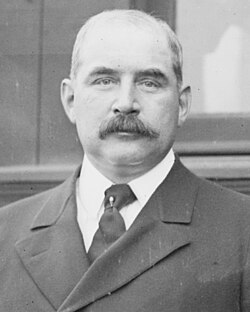
The Titanic sank on April 15, 1912, during its maiden voyage from Southampton to New York. Among the planned passengers was financier J.P. Morgan, head of the International Mercantile Marine Company, which owned the White Star Line, the company that operated the Titanic. Morgan canceled his voyage at the last minute and did not board the ship.
Several high-profile passengers perished in the disaster, including John Jacob Astor IV, Isidor Straus, and Benjamin Guggenheim. These men were part of the American elite and business networks that intersected with J.P. Morgan’s sphere of influence, though there is no evidence they opposed him in any way.
At the time of the Titanic sinking, discussions were already underway to reform the U.S. banking system. The Aldrich Plan of 1910–1911 laid the groundwork for the Federal Reserve System, which was officially created in December 1913. Morgan and other leading bankers influenced these early discussions, helping to shape the financial environment in which the Federal Reserve was established, although Morgan did not serve as a policymaker.
The sequence of events highlights the interconnected world of elite finance in the early 20th century, linking the Titanic disaster, prominent businessmen, and the early planning of the Federal Reserve, all occurring within a few years of each other.