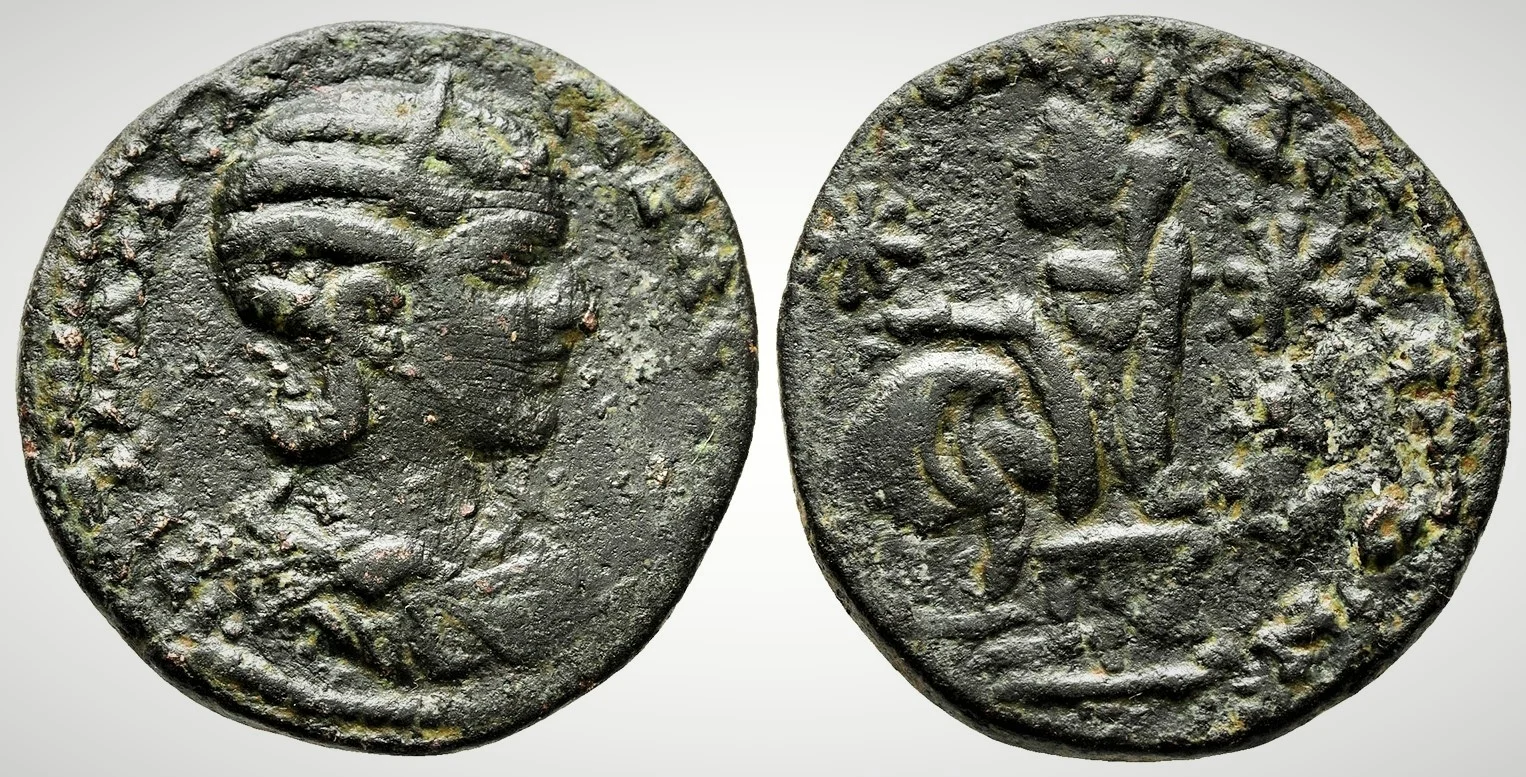
Clodius Albinus, governor of Britannia, declared himself Caesar in a bid to claim imperial power during the turbulent Year of the Five Emperors. His proclamation challenged the authority of Septimius Severus and intensified the civil conflicts engulfing the...
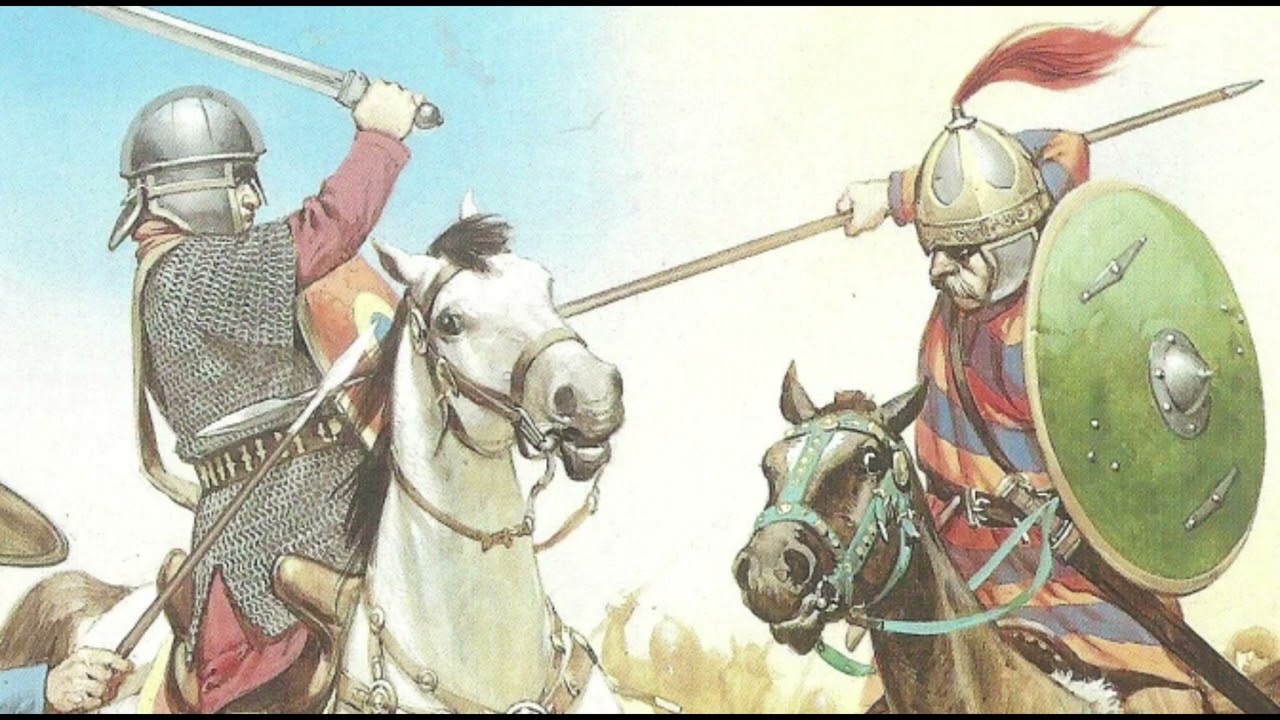
The Battle of Issus was fought between the forces of the Roman Emperor Septimius Severus and his rival Pescennius Niger. It marked a defining moment during the Year of the Five Emperors as Severus sought to consolidate his claim over the Roman Empire.The ba...
Septimius Severus was proclaimed emperor by his troops following the death of Emperor Pertinax. This marked the beginning of the Severan dynasty and significant changes in Roman imperial rule.Severus consolidated his power through military strength and even...
Pescennius Niger, governor of Syria, declared himself Roman emperor after the death of Emperor Pertinax. His claim to the throne sparked a civil war against Septimius Severus, who also claimed the emperorship.The conflict primarily unfolded in the eastern p...
Following the assassination of Emperor Pertinax, the Roman imperial throne was sold to the highest bidder by the Senate. Didius Julianus secured the empire by offering the largest payment to the Praetorian Guard.This unprecedented auction marked a significa...
Pertinax was proclaimed Roman Emperor by the Senate following the assassination of Commodus. His accession marked a brief attempt to restore discipline and order in the empire after a period of decline.Despite his efforts at reform, Pertinax's rule was shor...
Commodus, Roman Emperor and son of Marcus Aurelius, was assassinated in his palace in Rome. His death ended the Nerva–Antonine dynasty.The emperor was strangled by his wrestling partner under orders from conspirators within the senate and the Praetorian Gua...
Emperor Commodus, known for his unconventional rule, famously participated in gladiatorial combats in Rome. Unlike previous emperors, he openly fought as a gladiator, staging public spectacles in the Colosseum.His participation was met with mixed reactions,...
Marcus Aurelius, Roman Emperor and Stoic philosopher, died at the military camp in Vindobona on March 17th. His death marked the end of the Pax Romana, a period of relative peace and stability across the empire.He spent his final days on the northern fronti...
Roman Emperor Marcus Aurelius officially declared his son Commodus as co-emperor, sharing imperial authority.This political move marked the first time a biological son was directly elevated to power alongside his father, signaling a shift in Roman imperial ...