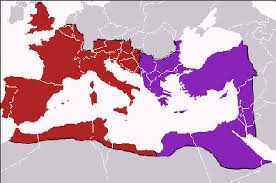
Diocletian's Division of Roman Empire
The Tetrarchy was established by Emperor Diocletian in 293 to address administrative and military challenges in the Roman Empire. This political system divided the emp...
Explore event →History does not happen in isolation. Explore world events across time, follow the connections between them, and investigate the threads that reveal how one event can lead to another.
TheTimeMap currently follows events across 95 countries and 268 years of history — building a connected archive designed for people who want to look beyond the headline.
We oppose antisemitism, racism, and dehumanization — everywhere.
When people stop feeling, injustice becomes easy.
The Tetrarchy was established by Emperor Diocletian in 293 to address administrative and military challenges in the Roman Empire. This political system divided the emp...
Explore event →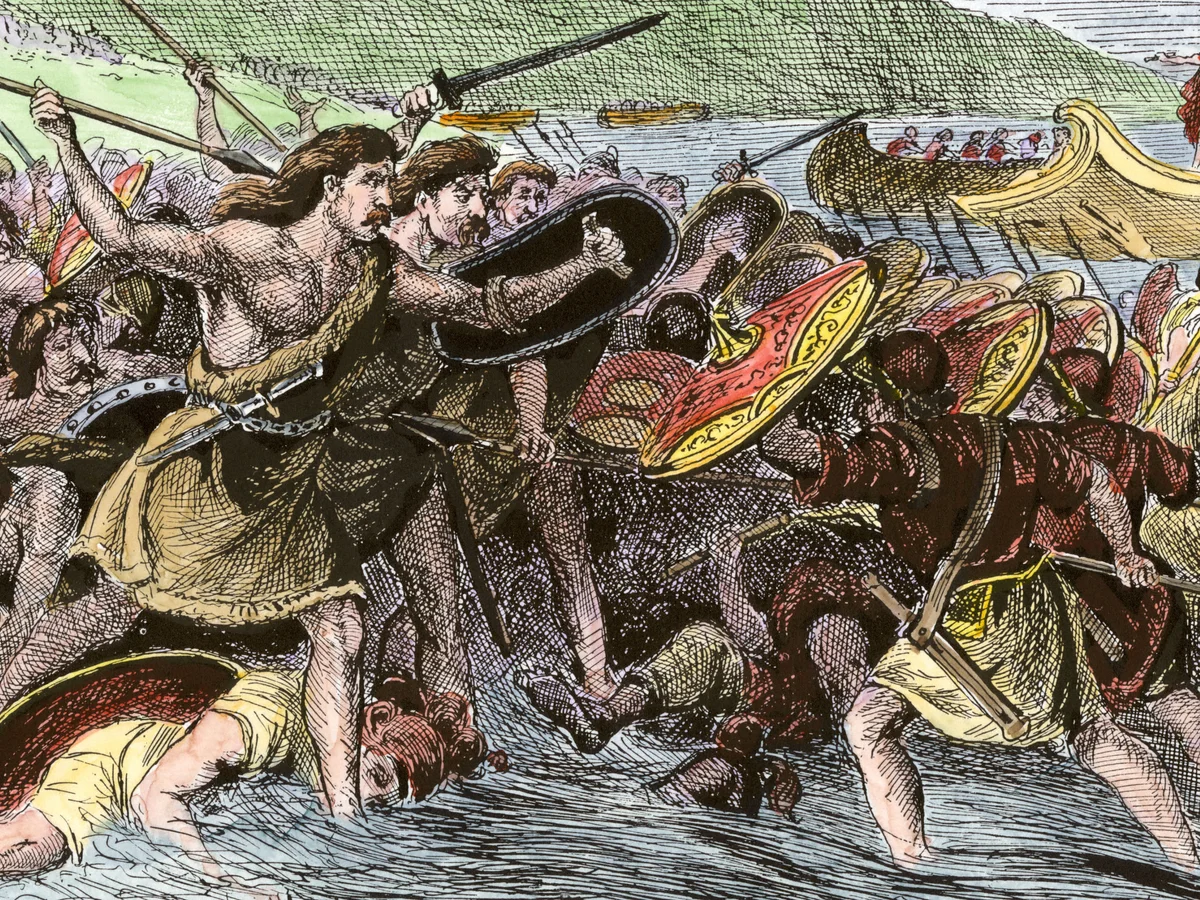
Carausius, a Roman naval commander, declared himself emperor in Britain and northern Gaul after seizing power around 286 CE. His revolt challenged the authority of the...
Explore event →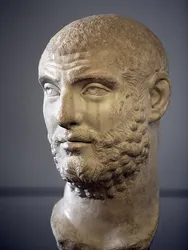
Emperor Carinus was killed in battle against the forces loyal to his rival, Diocletian, near the Margus River. The conflict marked the end of Carinus's brief reign and...
Explore event →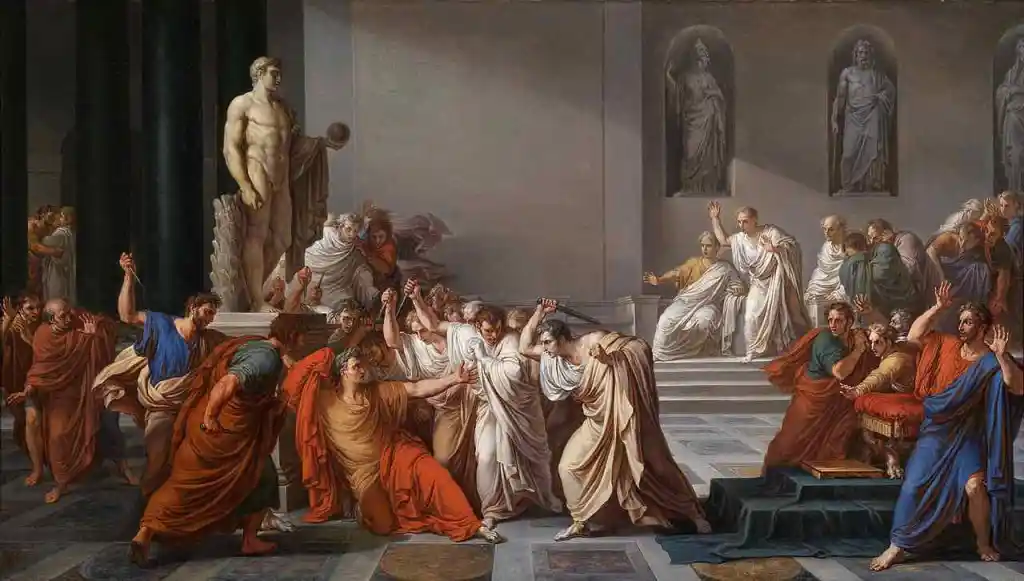
Roman Emperor Numerian died under suspicious circumstances while returning from a campaign in the East. His death was discovered by his troops near the region of Cordu...
Explore event →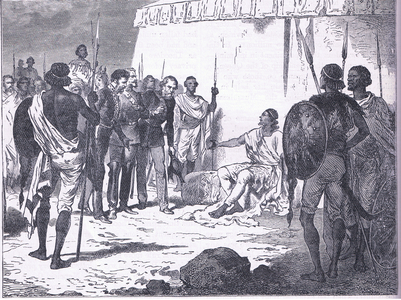
Emperor Probus was assassinated by his own soldiers after numerous military campaigns to secure the Roman Empire's borders. His leadership was challenged internally de...
Explore event →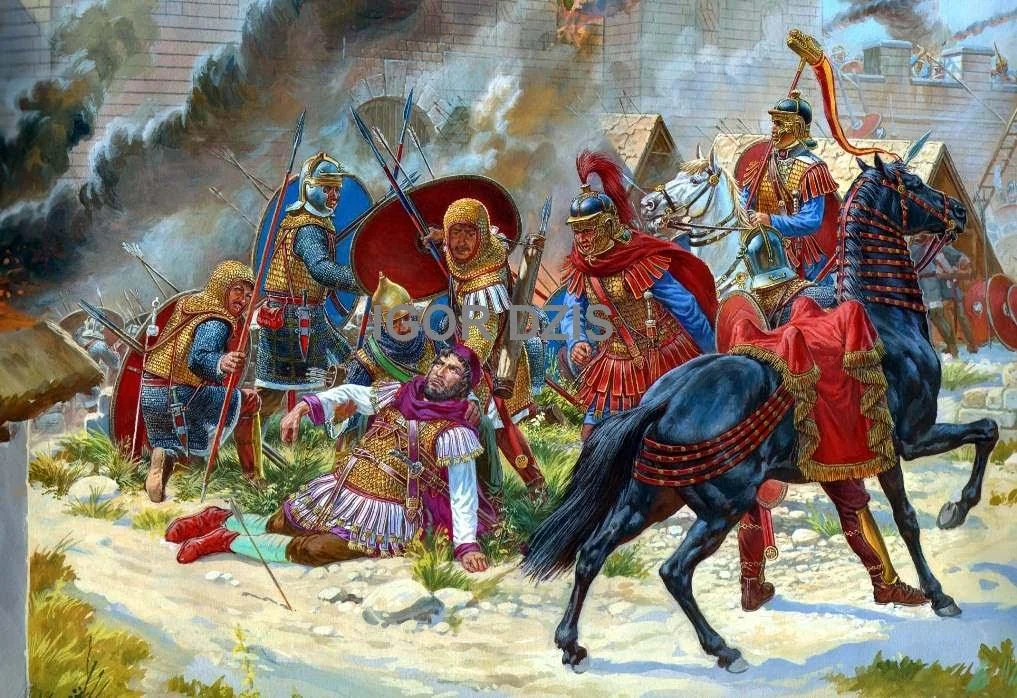
Emperor Gallienus, ruler of the Roman Empire during a time of internal strife and external invasions, was assassinated by his own military officers during a siege. His...
Explore event →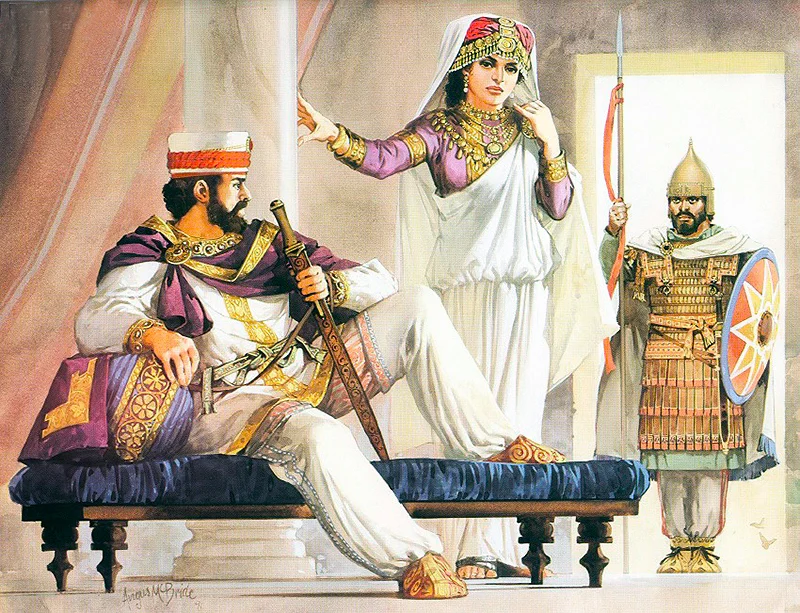
Odaenathus rose to power in Palmyra amid the crisis of the Roman Empire in the mid-3rd century. Following the capture of the Roman Emperor Valerian by the Persians, Pa...
Explore event →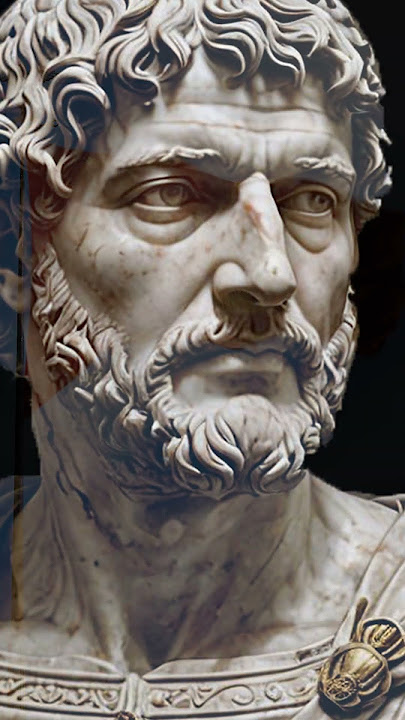
Aemilian, a Roman soldier and governor, seized power through a swift military revolt against Emperor Trebonianus Gallus. His accession marked a brief interruption in t...
Explore event →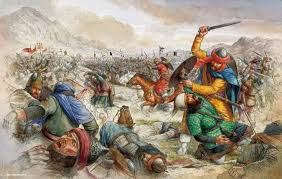
The Sasanian king Shapur I captured Antioch following his victorious campaigns against the Roman Empire. The fall of this major city marked a significant moment in Rom...
Explore event →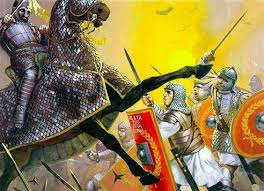
The Battle of Resaena was fought between Roman forces under Emperor Gordian III and the Sasanian Empire. This conflict marked a significant Roman attempt to regain los...
Explore event →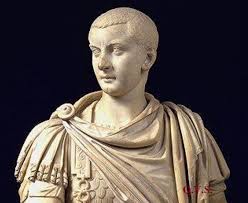
Gordian III ascended to the Roman imperial throne following a period of political instability known as the Year of the Six Emperors. At the age of thirteen, he was dec...
Explore event →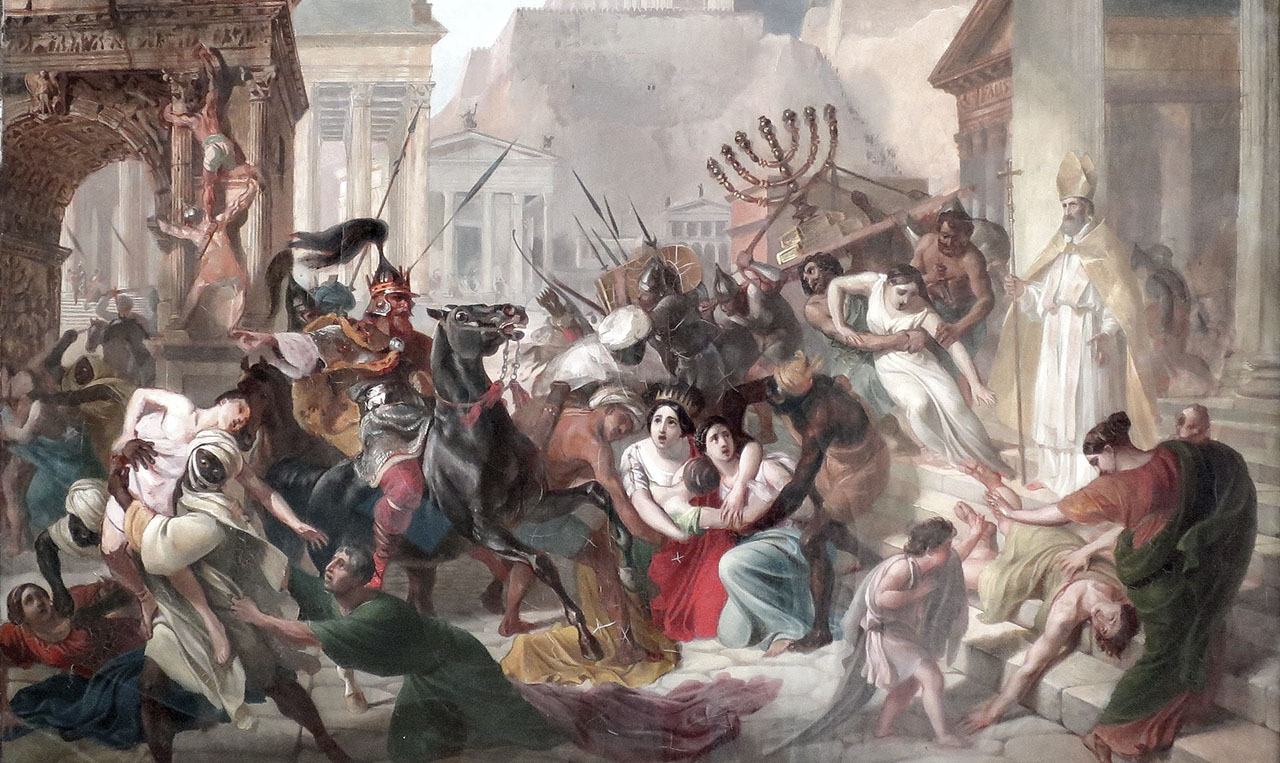
The Crisis of the Third Century marked a period of severe instability within the Roman Empire beginning in 235 AD. This era saw widespread political chaos, military de...
Explore event →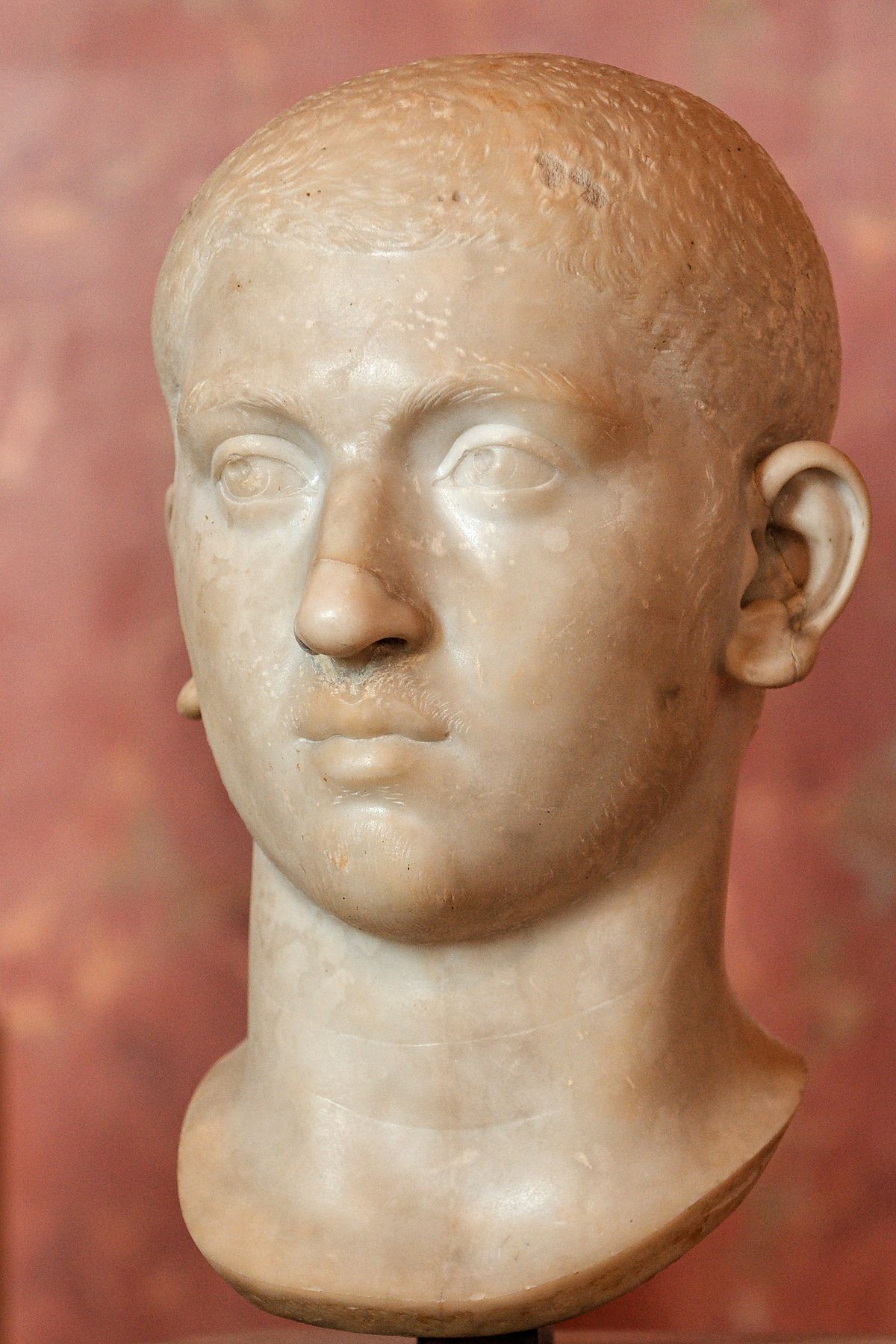
Severus Alexander, the last emperor of the Severan dynasty, was assassinated by his own soldiers in March of 235 CE near the city of Mutina along the Danube frontier. ...
Explore event →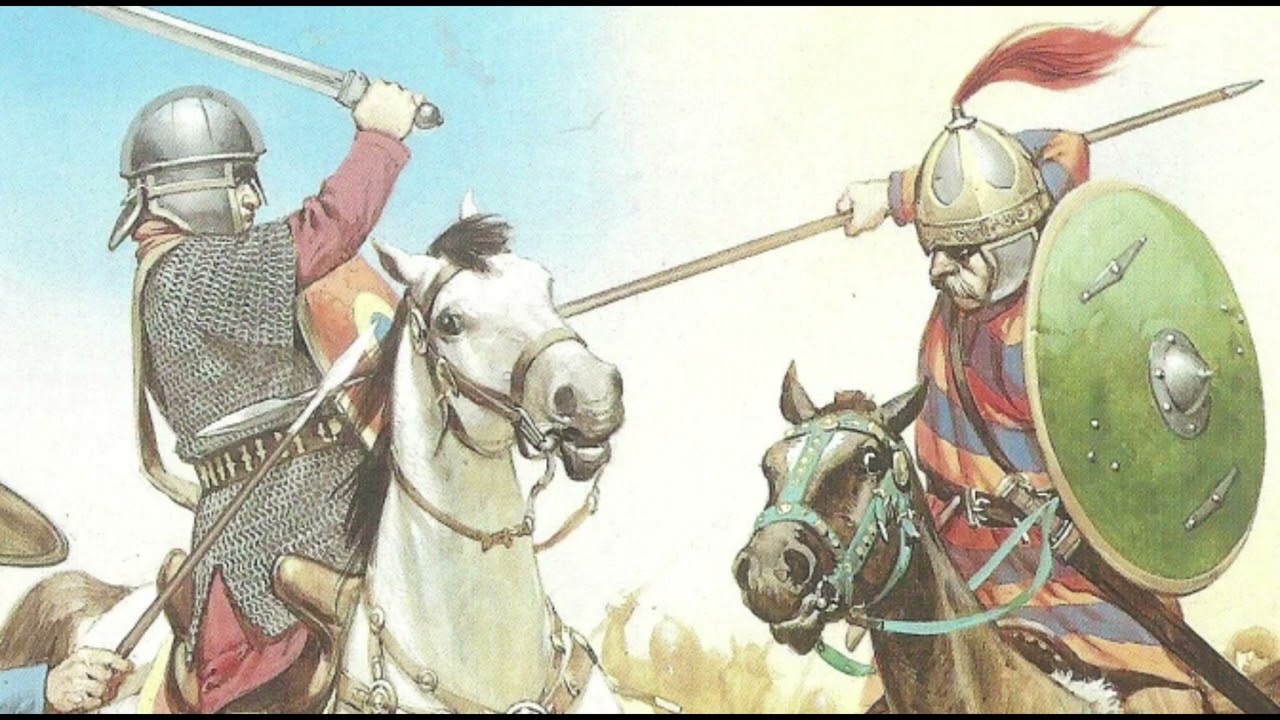
The fall of the Parthian Empire marked the rise of the Sasanian dynasty in ancient Persia. The decisive defeat of the last Parthian king by Ardashir I ended nearly fiv...
Explore event →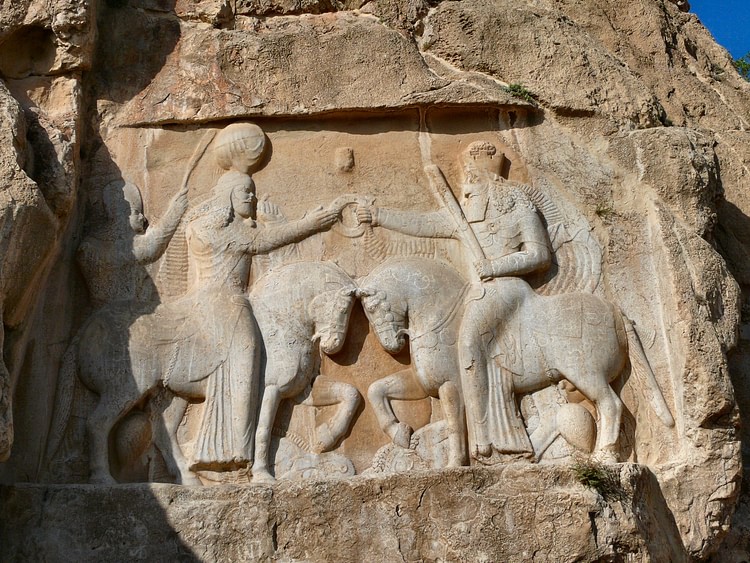
Ardashir I, the founder of the Sasanian Empire, defeated Artabanus IV, the last ruler of the Parthian Empire, at the battle near Hormozdgan. This victory marked the en...
Explore event →
Severus Alexander was proclaimed Roman Emperor following the assassination of Elagabalus. The Roman Senate officially endorsed his accession, marking a return to more ...
Explore event →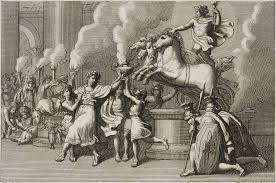
Elagabalus, Roman emperor notorious for his controversial religious and political actions, was assassinated on March 11 after a brief reign. His rule was marked by sig...
Explore event →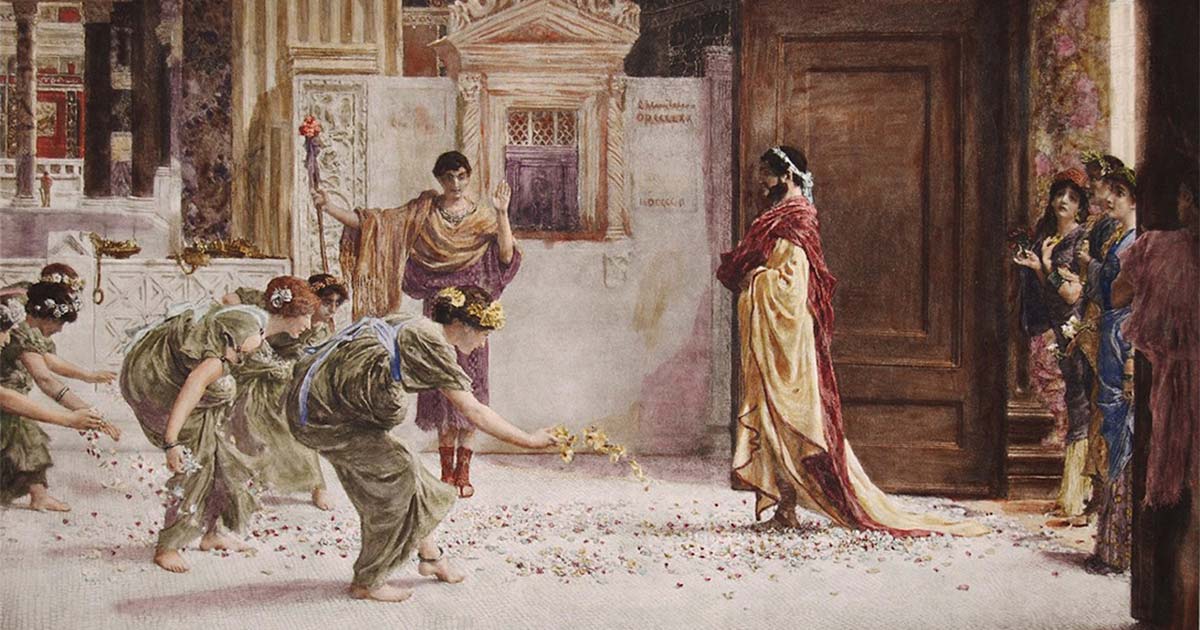
Elagabalus, also known as Varius Avitus Bassianus, was proclaimed Roman Emperor upon the death of Caracalla’s successor during the Severan dynasty. His accession marke...
Explore event →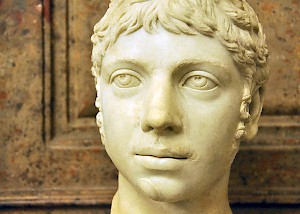
Emperor Elagabalus began implementing religious reforms centered on the worship of the Syrian sun god Elagabal. He elevated this deity above the traditional Roman gods...
Explore event →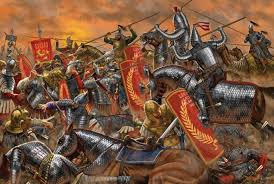
The Battle of Nisibis was fought near the city of Nisibis, a strategic fortress in Mesopotamia. Roman forces under Emperor Macrinus clashed with the Parthian army, res...
Explore event →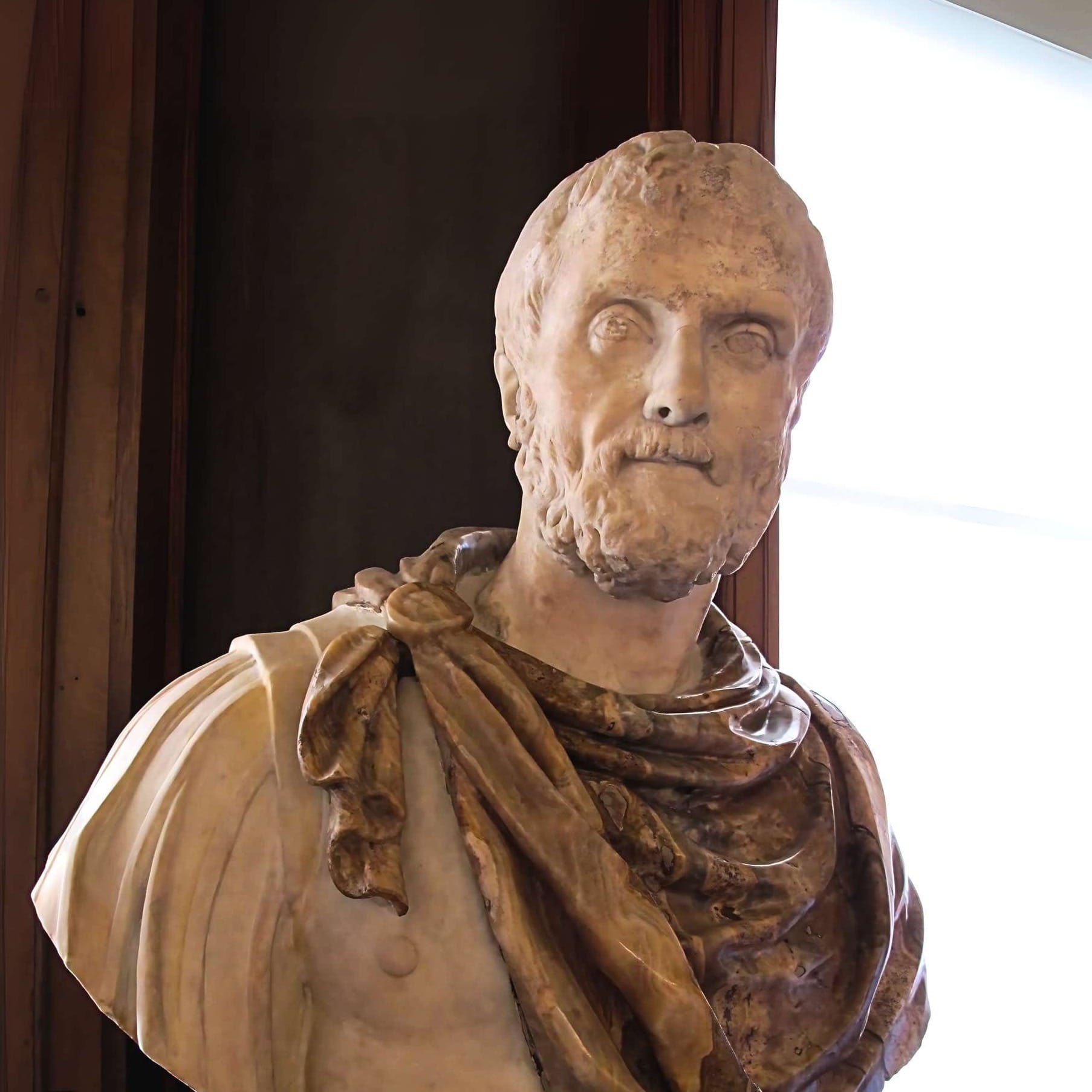
Following the assassination of Emperor Caracalla, Macrinus, then the commander of the Praetorian Guard, declared himself emperor. His accession marked the first time a...
Explore event →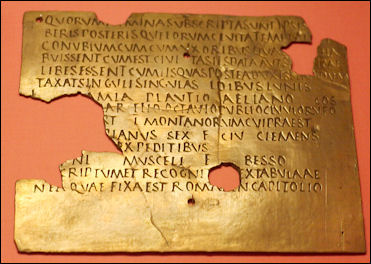
The Constitutio Antoniniana was an edict issued by Emperor Caracalla granting Roman citizenship to all free inhabitants of the Roman Empire. This decree dramatically e...
Explore event →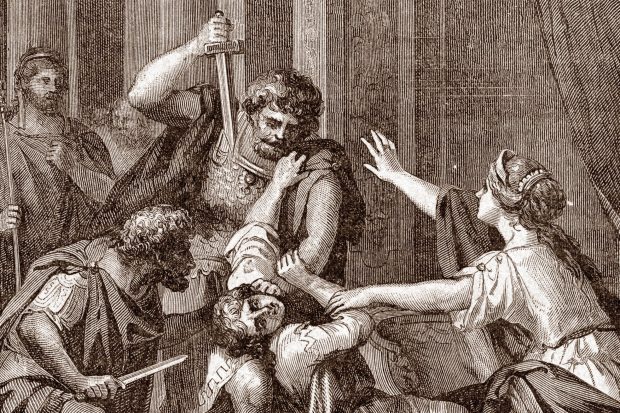
Geta, co-emperor of the Roman Empire alongside his brother Caracalla, was assassinated in Alexandria under political tension and rivalry. The murder occurred shortly a...
Explore event →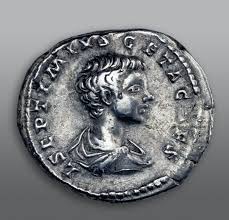
Publius Septimius Geta, son of Emperor Septimius Severus, was granted the title of Augustus, marking him as co-emperor alongside his father and brother Caracalla. This...
Explore event →
2014–2026 — Former defense minister Abdel Fattah el-Sisi becomes president after playing the central military role in Morsi's removal. His government emphasizes securi...
Explore research
2014–2026 — Egypt remains the most populous country in the Arab world and one of the principal political centers of the eastern Mediterranean and Middle East. Cairo do...
Explore research
3 July 2013 — Following enormous demonstrations against President Morsi, the Egyptian military removes him from office and suspends the constitution. Supporters descri...
Explore research
30 June 2012 — Mohamed Morsi, associated with the Muslim Brotherhood's political movement, becomes Egypt's first president elected after the 2011 uprising. His governm...
Explore research
11 February 2011 — Vice President Omar Suleiman announces that Hosni Mubarak has stepped down and transferred authority to the Supreme Council of the Armed Forces. Cel...
Explore research
2011–2014 — Mubarak's fall opens competitive elections and unprecedented political participation, but the transition rapidly produces institutional conflict, polarizat...
Explore research
1 April 2009 — Albania becomes a full member of NATO. Membership marks a major milestone in the country's post-communist integration with Western political and securit...
Explore research
29 April 1991 — New constitutional provisions formally establish the Republic of Albania during the transition away from communist government. The country begins rebui...
Explore research
31 March 1991 — Albania holds its first competitive multiparty parliamentary elections since the communist takeover. The former communist Party of Labour wins, but the...
Explore research
11 December 1990 — Albania's communist leadership accepts the legalization of independent political parties. The decision effectively ends the political monopoly creat...
Explore research
8 December 1990 — Students in Tirana begin demonstrations demanding political and economic change. The protests rapidly become a national challenge to communist one-pa...
Explore research
1990–1998 — Investigate economic collapse, weak institutions, mass migration, political confrontation, pyramid schemes and the rebuilding of Albanian state authority.
Explore research
6–25 October 1973 — Egyptian and Syrian forces launch a surprise attack against Israeli positions. Egyptian troops successfully cross the Suez Canal and penetrate the ...
Explore research
13 September 1968 — Albania formally withdraws from the Soviet-led Warsaw Pact following the invasion of Czechoslovakia. The withdrawal confirms Albania's political ru...
Explore research
1958–1961 — Egypt and Syria unite as the United Arab Republic under Nasser. The union represents the high point of pan-Arab political enthusiasm. Syrian dissatisfactio...
Explore research
26 July–7 November 1956 — Nasser nationalizes the Suez Canal Company after Western governments withdraw support for the Aswan High Dam. Britain, France and Israel secr...
Explore research
18 June 1953 — The monarchy is formally abolished and Egypt is declared a republic. Muhammad Naguib becomes the first president, but power increasingly shifts toward G...
Explore research
23 July 1952 — Egyptian military officers overthrow King Farouk's government. The movement is driven by dissatisfaction with corruption, political inequality, British ...
Explore research
1952–1970 — The Free Officers end the monarchy, reduce British influence, redistribute land and create a powerful developmental state. At the same time, political part...
Explore research
11 January 1946 — The monarchy is formally abolished and Albania becomes a communist people's republic. Political opposition is suppressed and the Communist Party esta...
Explore research
29 November 1944 — German forces have withdrawn and the communist-led National Liberation Movement controls the country. Rival political organizations are rapidly excl...
Explore research
1942–1944 — Communist-led partisans, Balli Kombëtar and other nationalist forces resist Italian and later German occupation. Rival resistance movements also fight one ...
Explore research
8 November 1941 — Several Albanian communist groups unite to establish the Communist Party of Albania. Enver Hoxha soon becomes its dominant political figure.
Explore research
31 January 1925 — Albania formally becomes a republic with Ahmet Zogu as president. Zogu uses the presidency to consolidate central authority after years of political ...
Explore research