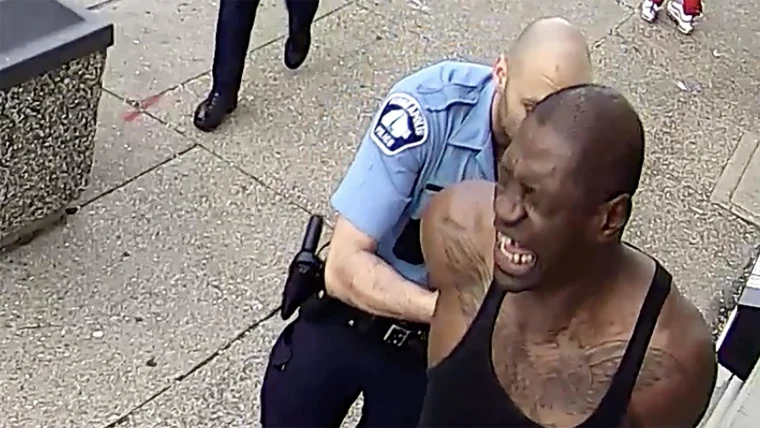
In the days following the death of George Floyd in Minneapolis police custody on May 25, 2020, large-scale protests erupted across Minneapolis and rapidly spread to cities throughout the United States. Demonstrations began on May 26, 2020, near the intersection of East 38th Street and Chicago Avenue, close to the site of Floyd’s death.
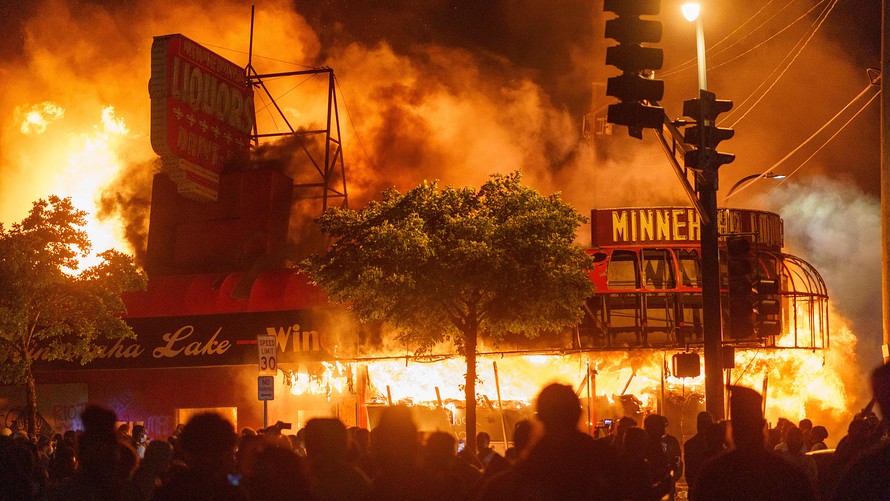
Early protests in Minneapolis included peaceful gatherings, marches, and vigils calling for accountability, police reform, and racial justice. As protests continued into the evening hours, some demonstrations escalated into unrest, including acts of vandalism, arson, and damage to public and private property.
Multiple buildings were set on fire during the initial nights of unrest, including the Minneapolis Police Department’s Third Precinct station, which was evacuated and later burned on May 28, 2020. Commercial properties, government buildings, and infrastructure in several neighborhoods sustained extensive damage.
Public property damage included damage to police vehicles, government offices, courthouses, street infrastructure, and public transportation assets. Statues, monuments, and municipal facilities were vandalized in multiple cities. In some locations, public parks and civic buildings were temporarily closed due to safety concerns.
Authorities imposed curfews and activated the Minnesota National Guard in response to the unrest. Similar measures were implemented in other states as protests spread nationally. Law enforcement agencies reported thousands of arrests nationwide, primarily for curfew violations, looting, arson, and property destruction.
While many protests remained peaceful during daytime hours, nighttime unrest resulted in widespread economic disruption. Insurance industry assessments later estimated billions of dollars in insured losses across the United States, making the unrest one of the costliest periods of civil disorder in modern U.S. history.
Government officials at the local, state, and federal levels issued statements condemning property destruction while also acknowledging the grievances driving the protests. Community leaders and organizers emphasized that acts of vandalism and arson were distinct from the broader protest movement and not representative of all participants.
Protests and demonstrations continued in varying forms throughout 2020, influencing public discourse on policing, public safety, and civil rights. Cleanup and rebuilding efforts in affected communities extended for months following the initial period of unrest.