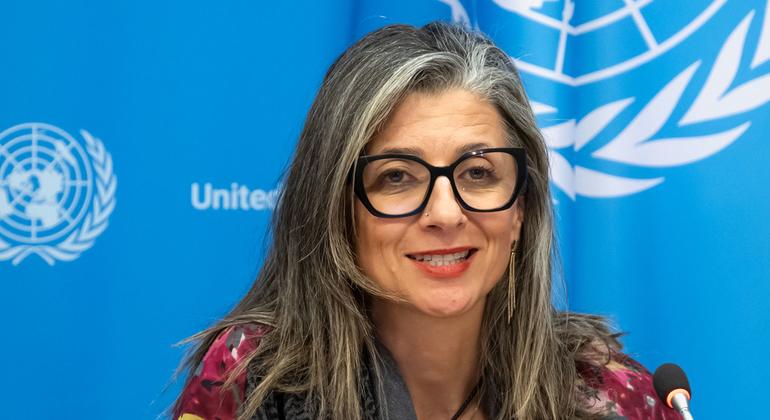
On July 9, 2025, the United States government announced sanctions against Francesca Albanese, the United Nations Special Rapporteur on the situation of human rights in the Palestinian territories, including the West Bank and Gaza. The sanctions designation, issued by the U.S. State Department under Secretary of State Marco Rubio, placed Albanese on a list of individuals subject to asset freezes, travel restrictions, and potential financial isolation. ([turn0search26])
In explaining the sanctions, U.S. officials accused Albanese of expressing “support for terrorism” and engaging in what they described as political and economic actions against American and Israeli interests. The move followed Albanese’s outspoken reports and letters urging accountability for alleged human rights abuses and calling attention to corporate and state actors involved in the conflict in Gaza. U.S. authorities characterized her actions as beyond the scope of her mandate and contrary to U.S. policy. ([turn0search26])
Albanese, an Italian human rights lawyer serving as a U.N. expert, had released reports documenting the involvement of multiple companies and states in actions she described as facilitating violations of international humanitarian law in the Palestinian territories. Her work also included urging international institutions to pursue accountability mechanisms, including potential legal action at the International Criminal Court. Critics of the sanctions argue that the designation undermines the independence of U.N. human rights mechanisms. ([turn0search22]; [turn0search27])
International responses to the sanctions were mixed. Supporters of Albanese’s mandate, including Amnesty International and officials from the United Nations Human Rights Council, criticized the U.S. action as a threat to the international human rights order and a punitive measure against independent reporting. They argued that sanctions against a U.N. special rapporteur were unprecedented and could chill global human rights monitoring. Others, including U.S. and allied representatives, defended the action as a sovereign response to perceived bias and unaccountable advocacy. ([turn0search22]; [turn0search27])
Albanese has publicly dismissed the sanctions as politically motivated and said they would not deter her work. She reported that the measures had personal and professional consequences, including difficulties with financial transactions and travel, while her critics have continued to call for her resignation or removal from the mandate. The sanctions remain a focal point in broader debates about the limits of diplomatic criticism and the independence of United Nations human rights mechanisms. ([turn0news14])