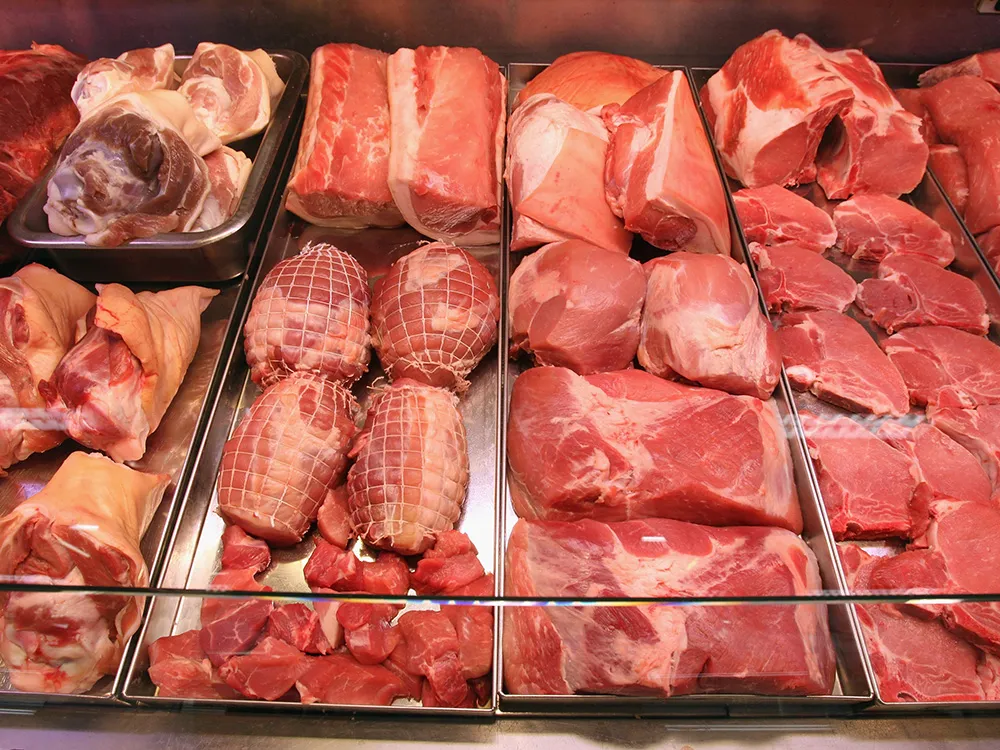
The United States allows meat and milk from cloned animals to enter the food supply without special labeling requirements. The policy follows a decision by federal regulators who concluded that products from cloned livestock are safe and nutritionally identical to food from conventionally bred animals.
In 2008, the Food and Drug Administration completed a scientific review of cloning in agriculture. The agency determined that food from cloned cattle, swine, and goats poses no additional safety risks compared to traditional livestock products.
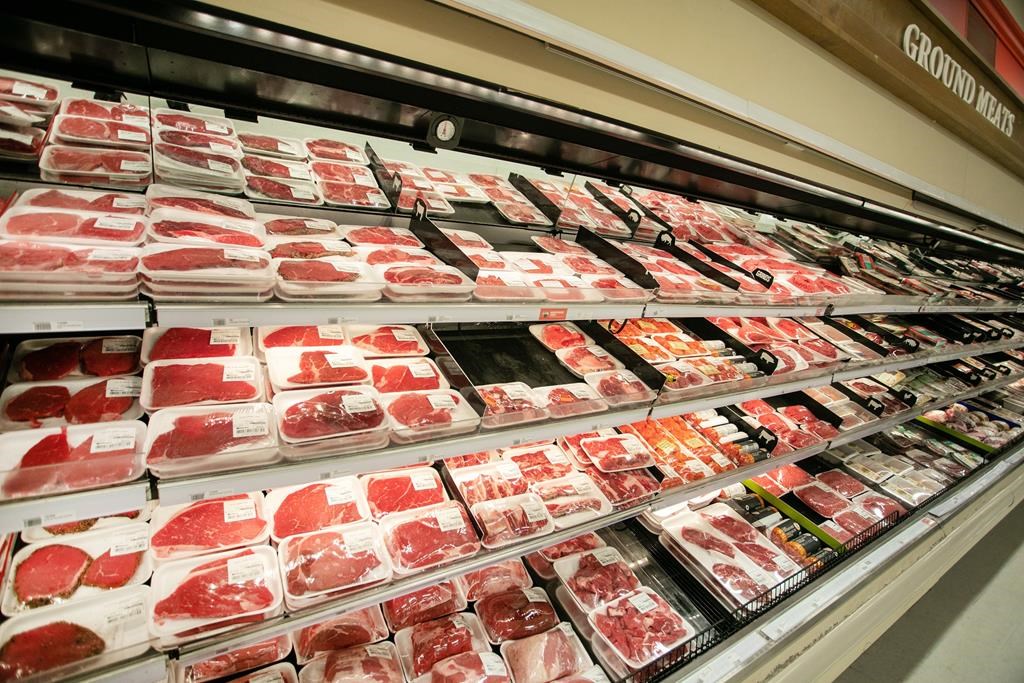
Under the current policy, the FDA does not require companies to label meat or dairy products that come from cloned animals or their offspring. As a result, consumers are not specifically informed if beef, pork, or milk originates from animals connected to cloning technology.
Cloning in agriculture remains rare and is mainly used for breeding purposes. Farmers typically use clones to reproduce animals with valuable genetics, while the animals entering the food supply are more often the offspring produced through conventional breeding.
Food producers may voluntarily label products as being free from cloned animals if they choose. However, such labeling is reviewed individually and is not required by federal law.
The policy has generated debate among consumer groups and advocacy organizations. Some critics argue that shoppers should have the right to know how their food is produced, while others have raised ethical questions about the cloning process itself.
Despite these concerns, federal regulators continue to maintain that there is no measurable difference in safety, quality, or nutrition between food from cloned animals and food from traditional livestock.