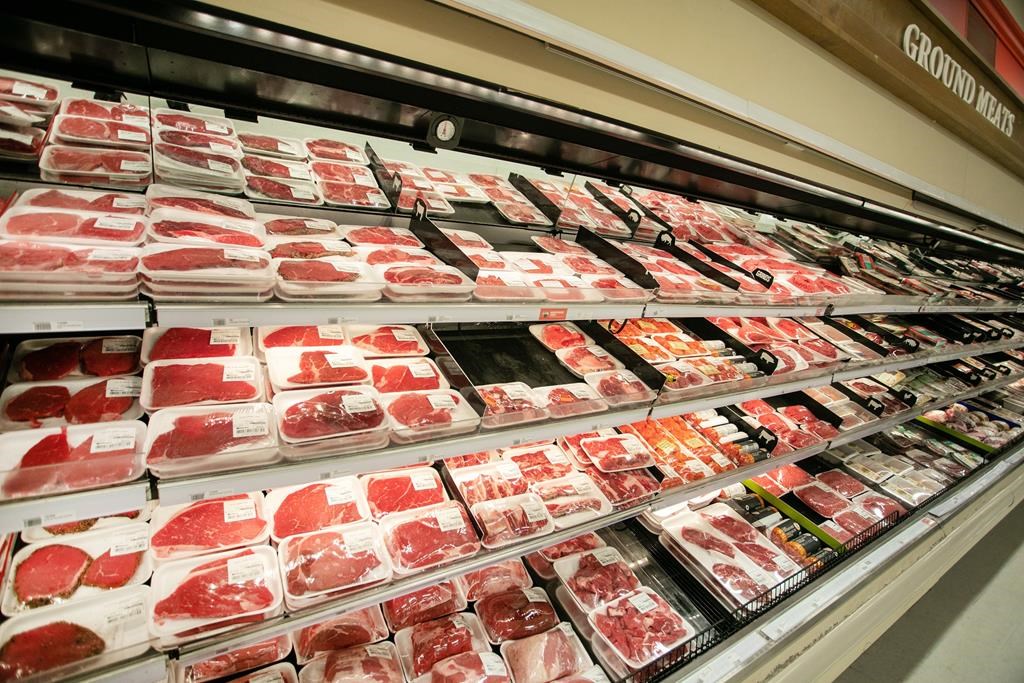
Canada has updated federal food policies that allow meat and dairy from cloned cattle and swine, as well as their offspring, to enter the national food supply. The policy shift follows a review by federal regulators who concluded that products from cloned animals are as safe and nutritious as those from traditionally bred livestock.
Health Canada determined that food from cloned animals and their offspring should no longer be categorized as “novel food.” As a result, these products will not require additional pre-market safety reviews before being sold in Canada.
Officials say the change mainly affects high-value breeding animals used in agriculture. Industry experts expect that the offspring of cloned cattle and swine are more likely to enter the food chain than the clones themselves.
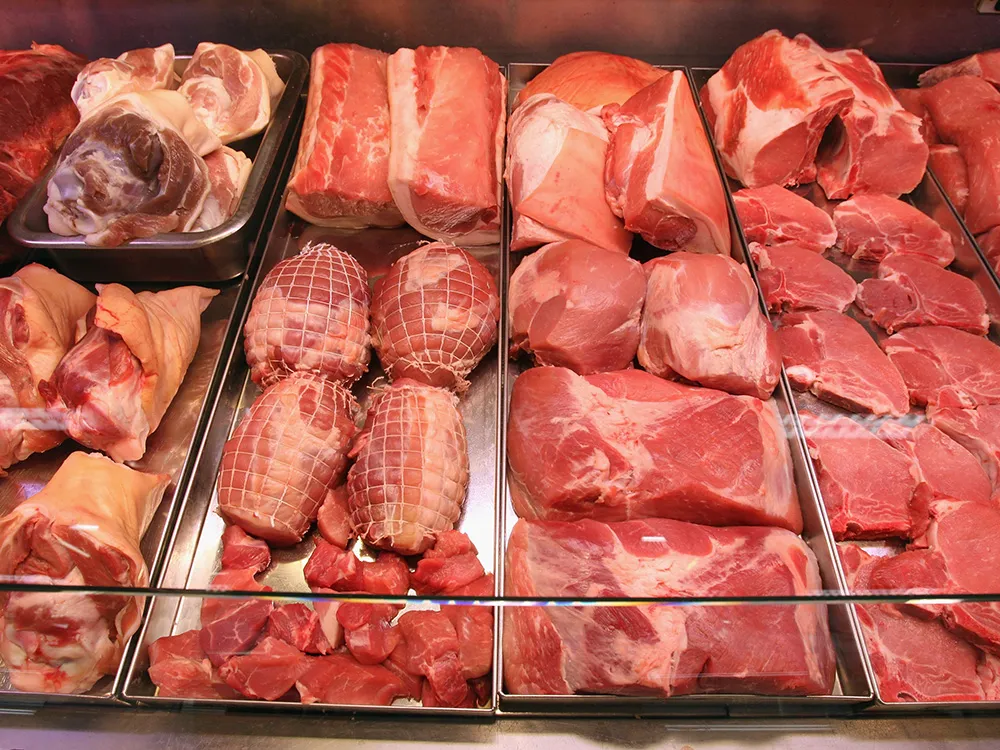
Under the current policy, there is no requirement for stores or food producers to label meat or dairy products that come from cloned animals or their descendants. Consumers will not be notified if beef or pork originates from animals connected to cloning.
The decision has sparked debate among consumer advocates and animal welfare groups. Critics argue the policy reduces transparency for shoppers who may want to know how their food is produced.
Some organizations also raise ethical concerns regarding the cloning process itself. Studies have shown higher failure rates, including miscarriages and stillbirths, during animal cloning procedures.
Supporters of the policy say scientific research indicates there is no measurable difference in safety or nutrition between conventional livestock products and those derived from clones. Regulators state that the change aligns Canada’s approach with existing scientific assessments on the technology.