Global oil prices rose sharply on August 10, 2026, as uncertainty continued over negotiations concerning the reopening of the Strait of Hormuz. Iran maintained that the United States must meet several political and economic conditions before normal shipping could resume.
Brent crude rose by approximately five percent during trading and settled near 87.72 dollars per barrel, while U.S. West Texas Intermediate crude settled near 82.13 dollars per barrel. The price increase reflected concerns that restrictions on Gulf energy exports could continue.
Iran has demanded measures including sanctions relief, compensation related to the conflict, access to frozen Iranian assets, and an end to the U.S. blockade of Iranian ports. U.S. President Donald Trump separately demanded compensation from Iran, reducing expectations of an immediate settlement.
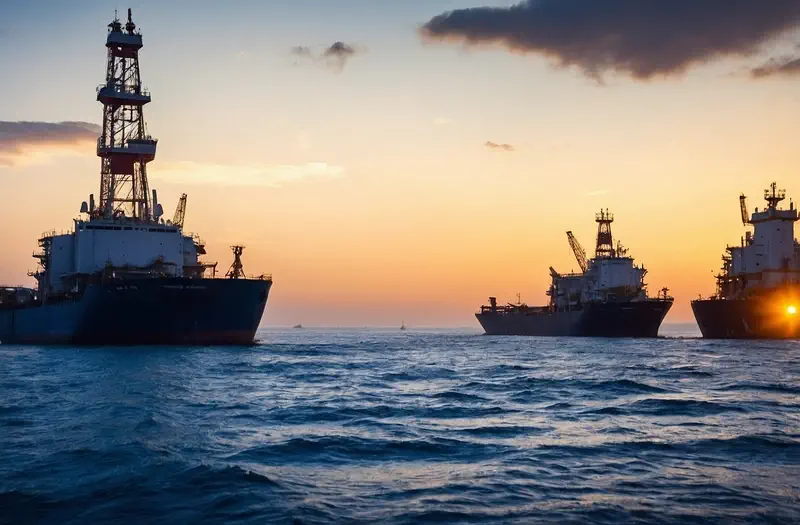
The prolonged disruption has affected oil producers, refiners, shipping companies, import-dependent economies, and financial markets. The strait normally handles energy exports from several major Persian Gulf producers.
Higher petroleum prices can affect inflation, transportation costs, manufacturing expenses, interest-rate expectations, government finances, and currencies in countries dependent on imported energy.