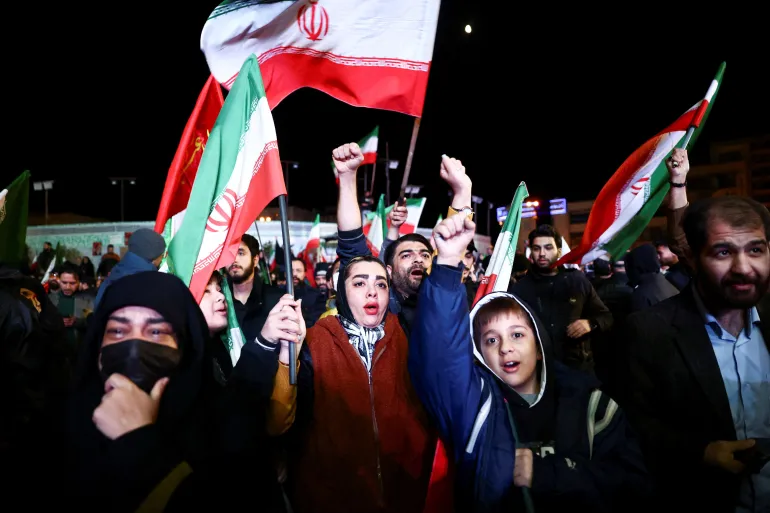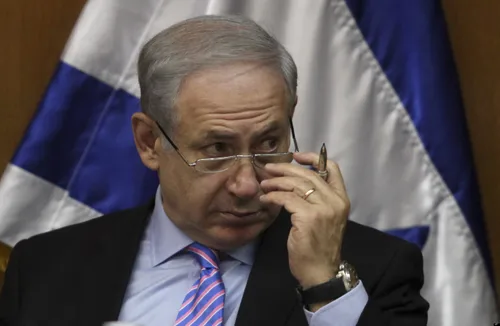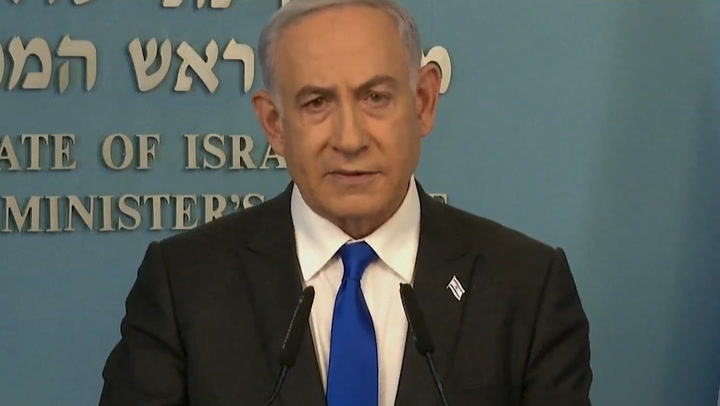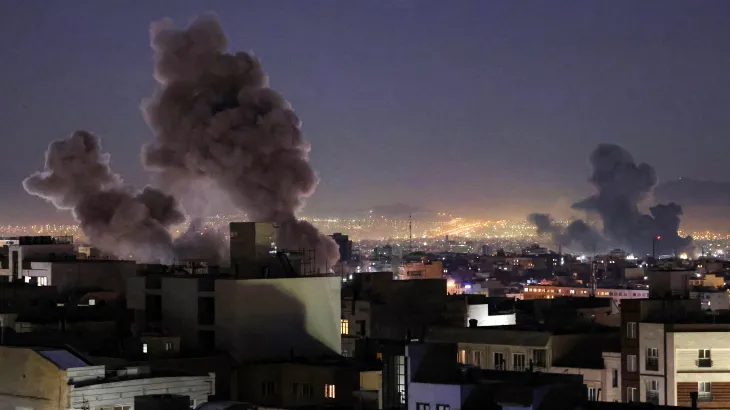
The United States and Israel launched coordinated military strikes against Iran on February 28, 2026. The operation targeted Iranian military facilities, missile capabilities, government leadership, and other strategic sites. The United States military identified its campaign as Operation Epic Fury, while Israel described its actions as intended to remove threats from Iran.
The attacks followed renewed negotiations between the United States and Iran concerning Iran's nuclear program and ballistic missiles. The United States and Israel had warned that military action remained possible if diplomatic efforts failed to produce restrictions they considered sufficient. Iran maintained that its nuclear program was for peaceful purposes and rejected demands involving parts of its missile program.
Iran responded by launching missiles toward Israel and toward locations in Gulf Arab states hosting United States military forces. Regional governments activated air defenses as the confrontation expanded beyond Iranian and Israeli territory. The exchange raised immediate concerns about attacks on military bases, energy infrastructure, civilian areas, and transportation routes across the Middle East.
On the same day, Iranian authorities said navigation through the Strait of Hormuz had been closed. Commercial shipping companies, oil traders, and tanker operators began suspending or redirecting voyages as maritime traffic declined. The strait normally carries substantial volumes of crude oil, petroleum products, and liquefied natural gas exported from Persian Gulf states.
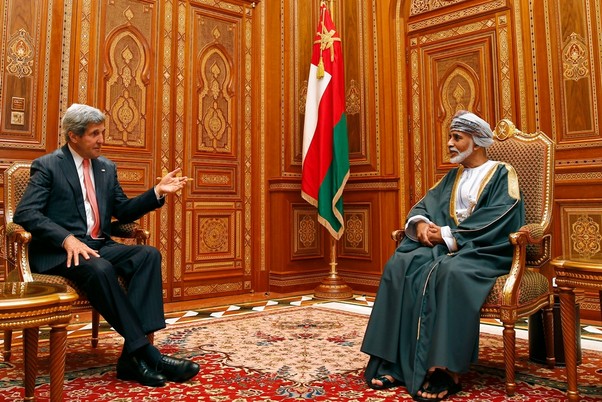
The February 28 attacks became a central event in the 2026 regional conflict. Subsequent developments involving the Strait of Hormuz, U.S. sanctions and naval operations, Iranian retaliation, Gulf energy infrastructure, oil prices, and negotiations involving Iran and Oman were directly connected to the military confrontation that began that day.