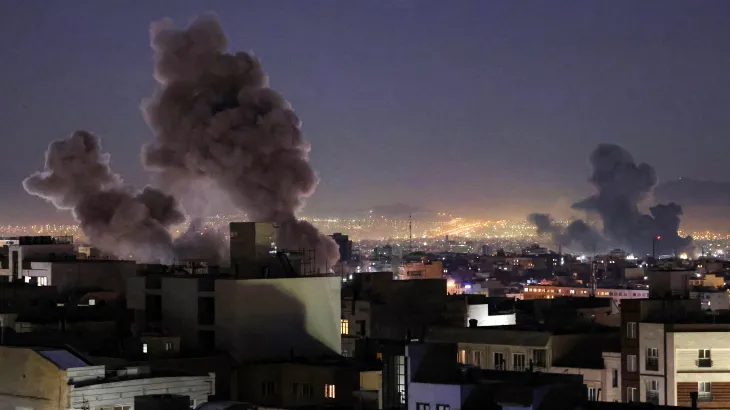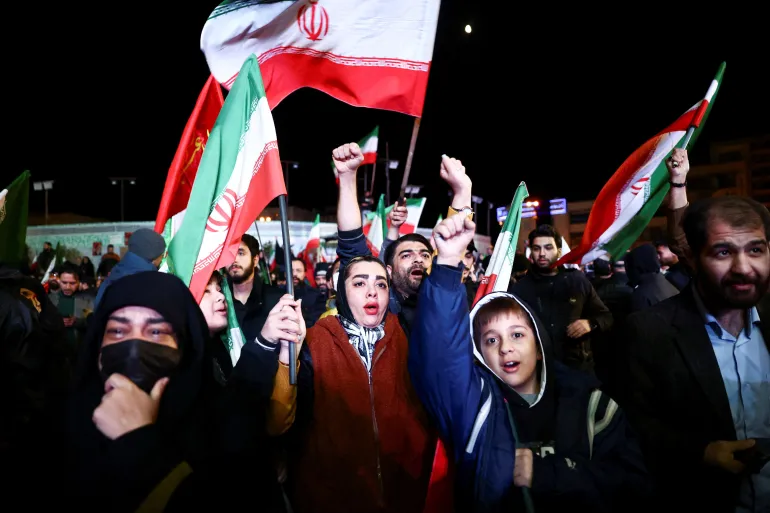
The United States and Iran entered a two-week ceasefire on April 8, 2026, following more than five weeks of military conflict. U.S. President Donald Trump announced the agreement after mediation involving Pakistan, shortly before a U.S. deadline demanding that Iran reopen the Strait of Hormuz.
Iranian Foreign Minister Abbas Araqchi said Iran would halt counterattacks and provide safe passage through the Strait of Hormuz if attacks against Iran stopped. Israel supported suspending strikes against Iran during the ceasefire period, although separate military operations elsewhere in the region were not necessarily covered by the arrangement.
Pakistan played a significant mediation role. Prime Minister Shehbaz Sharif and Field Marshal Asim Munir participated in efforts leading to the agreement, and Pakistan invited Iranian and U.S. delegations to Islamabad for further negotiations intended to produce a longer-term settlement.
The ceasefire was linked to reopening the Strait of Hormuz, but maritime traffic did not immediately return to normal. Ship-tracking data showed that traffic remained substantially below prewar levels, while Iran introduced special navigation procedures and continued exercising control over passage through waters near its territory.
The agreement temporarily reduced direct military exchanges but did not resolve disputes concerning sanctions, Iranian ports, compensation, nuclear and missile issues, or long-term control of shipping through the strait. These unresolved matters later became central to negotiations involving Iran, the United States, Oman, and other regional governments.