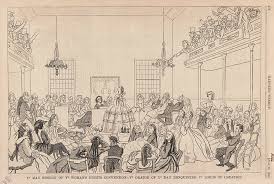
Women’s Rights Seneca Falls Convention
The first women’s rights convention in Seneca Falls, New York, demanded legal, social, and political equality, sparking the organized women’s suffrage movement in the ...
Explore event →History does not happen in isolation. Explore world events across time, follow the connections between them, and investigate the threads that reveal how one event can lead to another.
TheTimeMap currently follows events across 95 countries and 268 years of history — building a connected archive designed for people who want to look beyond the headline.
We oppose antisemitism, racism, and dehumanization — everywhere.
When people stop feeling, injustice becomes easy.
The first women’s rights convention in Seneca Falls, New York, demanded legal, social, and political equality, sparking the organized women’s suffrage movement in the ...
Explore event →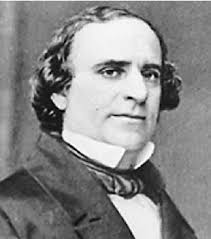
On December 1, 1845, David Levy Yulee was sworn in as one of the first two United States senators from the newly admitted State of Florida, marking a notable moment in...
Explore event →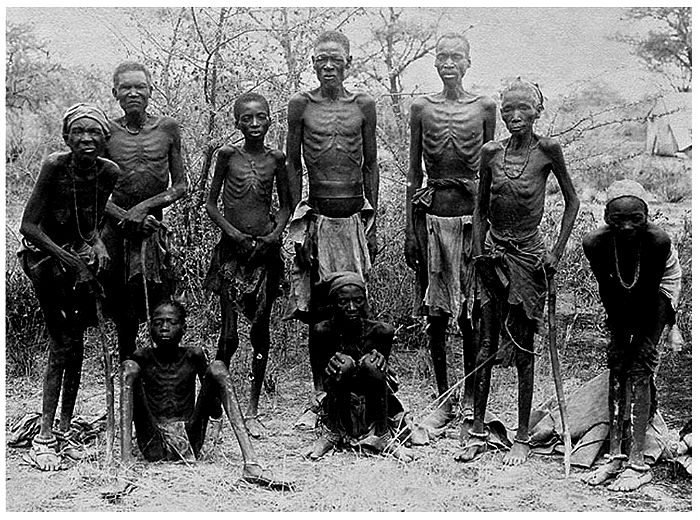
The Khoisan genocide refers to the systematic killings and displacement of the indigenous Khoisan peoples of Southern Africa during the 18th and 19th centuries. This g...
Explore event →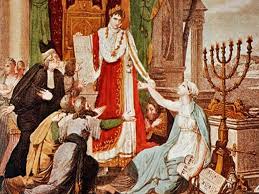
Emancipation of Jews in Russia under Catherine II In 1791, Empress Catherine II of Russia issued policies regulating the settlement and legal status of Jewish populat...
Explore event →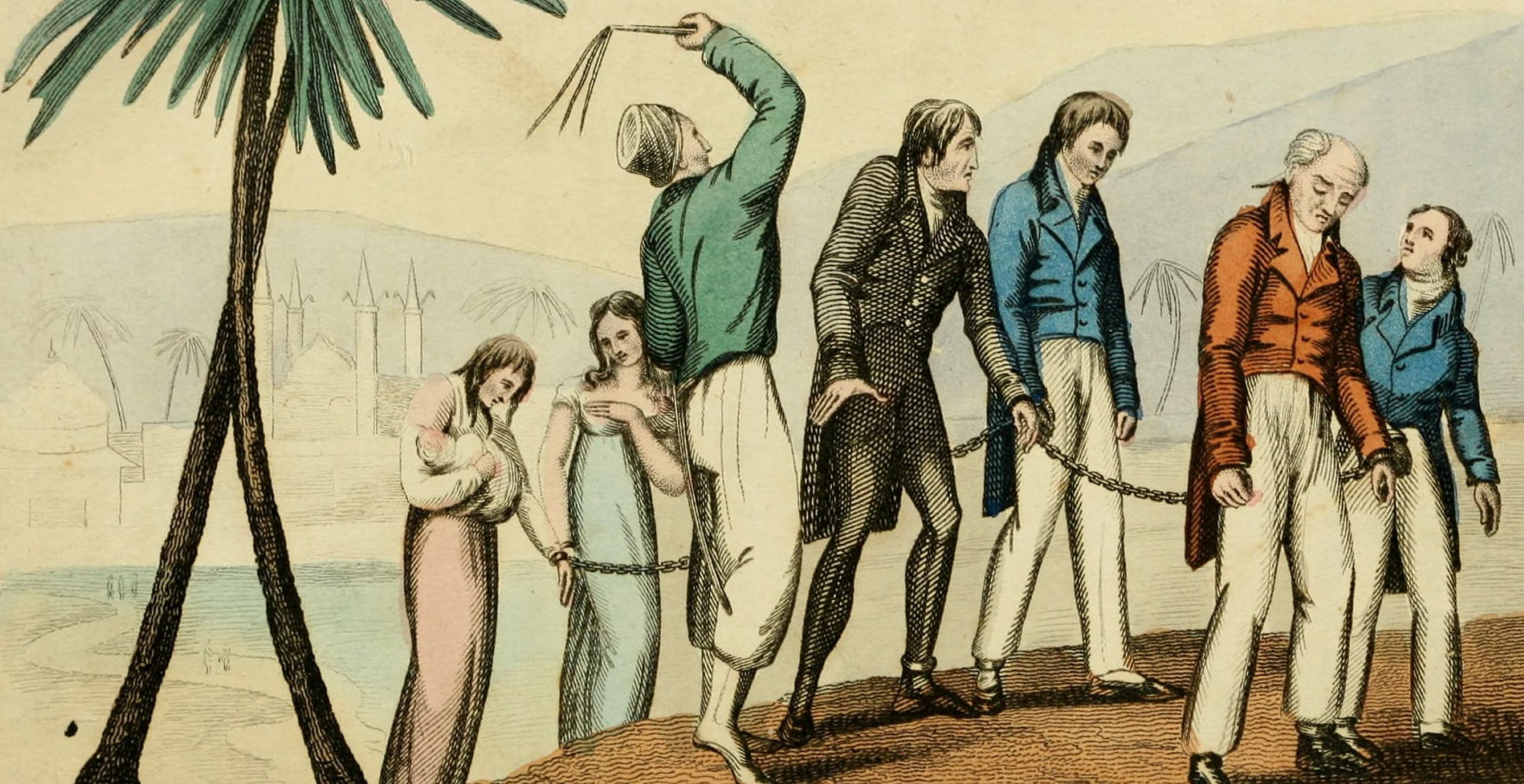
European Captives Sold Into Slavery By Barbary Pirates From the 16th to the 19th centuries, Barbary pirates operating from North Africa — including present-da...
Explore event →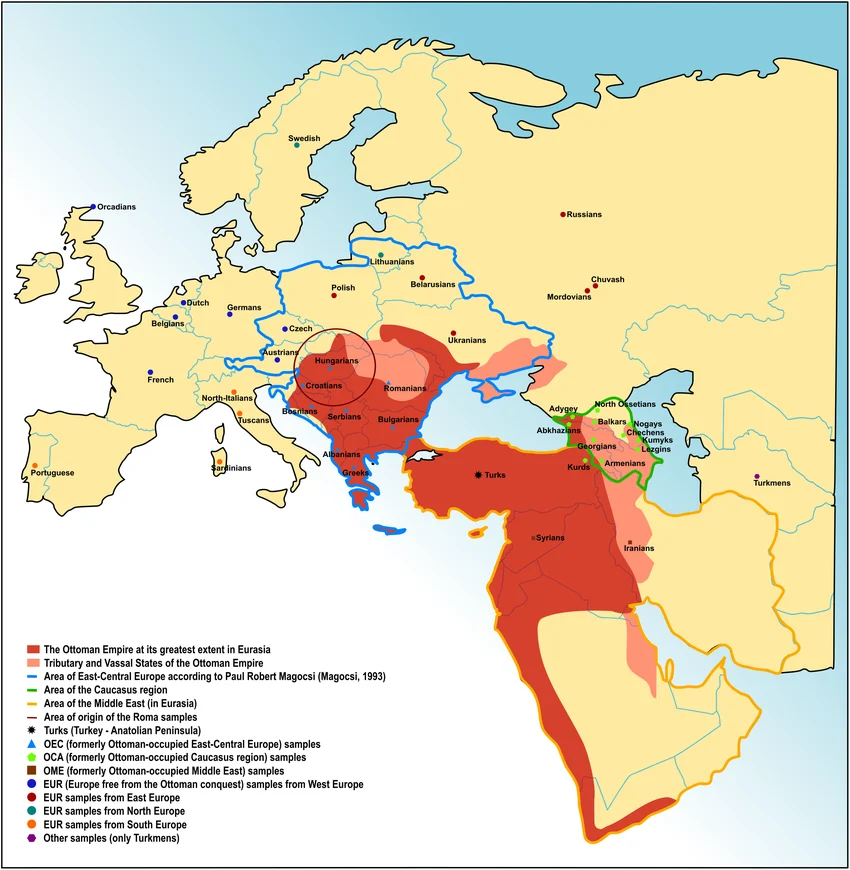
The Ottoman Empire expanded from a small Anatolian principality into one of the largest empires in history. Between the fourteenth and early twentieth centuries, Ottom...
Explore event →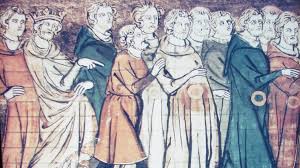
Expulsion of Jews from France On July 22, 1306, King Philip IV of France, also known as Philip the Fair, issued an edict expelling all Jews from the kingdom. The expu...
Explore event →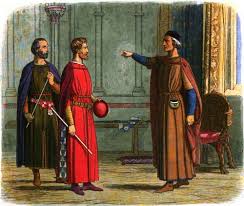
Expulsion of Jews from England On July 18, 1290, King Edward I issued the Edict of Expulsion, ordering all Jews to leave the Kingdom of England. The decree affected J...
Explore event →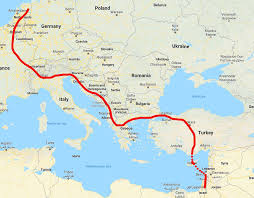
New pilgrimage routes to Jerusalem have been established, enhancing access for travelers and worshippers. These pathways enable smoother and safer journeys for pilgrim...
Explore event →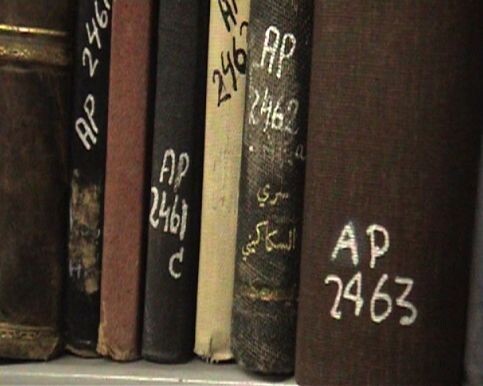
Great Book Robbery of 1948 In 1948, during the Arab–Israeli War following the end of the British Mandate for Palestine, thousands of books and manuscripts were stolen...
Explore event →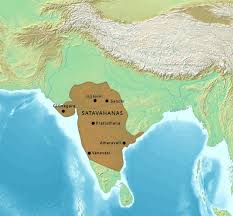
Indian cultural influence expanded significantly throughout Southeast Asia, notably through trade, religion, and political relations established by Indianized kingdoms...
Explore event →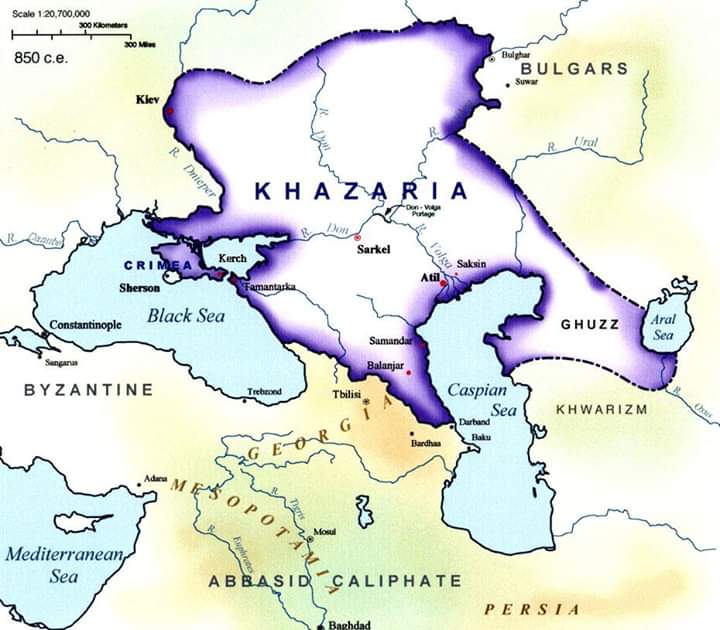
The Khazarian Empire: History, Territory, and Conversion to Judaism The Khazar Empire was a Turkic polity that emerged in the mid-seventh century and became...
Explore event →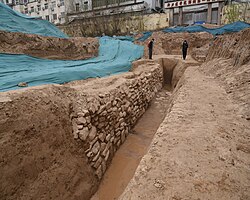
Chang’an, the capital of the Tang dynasty, was violently sacked by rebel forces led by Huang Chao. The siege resulted in widespread destruction and the collapse of cen...
Explore event →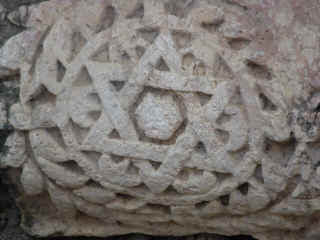
The “Star of Remphan” is a phrase found in the New Testament in the Book of Acts (Acts 7:43), where Stephen references Israelite idolatry while quoting from earlier He...
Explore event →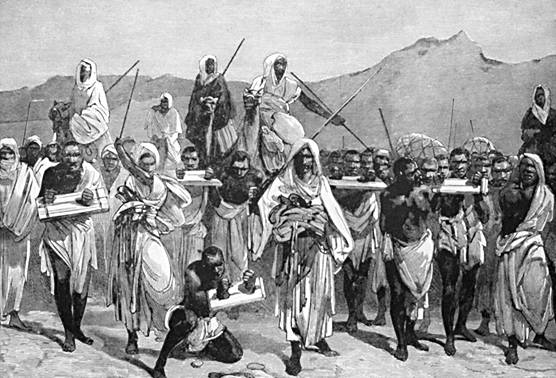
Trans‑Saharan Slave Trade The Trans‑Saharan slave trade began around the mid‑7th century following the Treaty of Baqt in 652 CE, which established formal rela...
Explore event →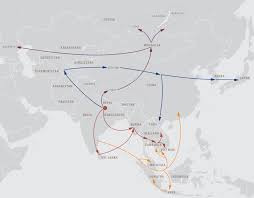
Translation activities of Buddhist sutras in Luoyang intensified under imperial patronage. Monks gathered at the White Horse Temple to facilitate the rendering of fore...
Explore event →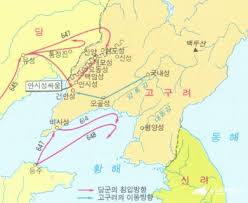
Goguryeo successfully repelled multiple invasions launched by the Tang dynasty of China during the 7th century. The capital fortress of Pyongyang became a critical def...
Explore event →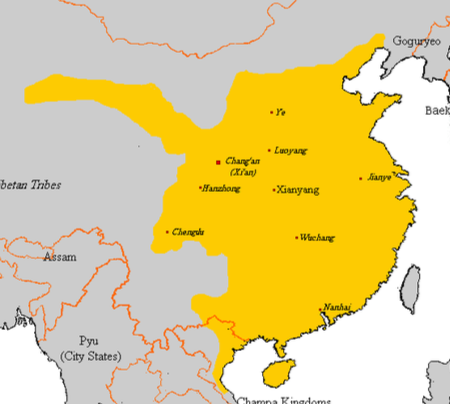
The Sui dynasty, which had temporarily unified China after a period of fragmentation, was facing collapse by early 618. Internal rebellions and external pressures mark...
Explore event →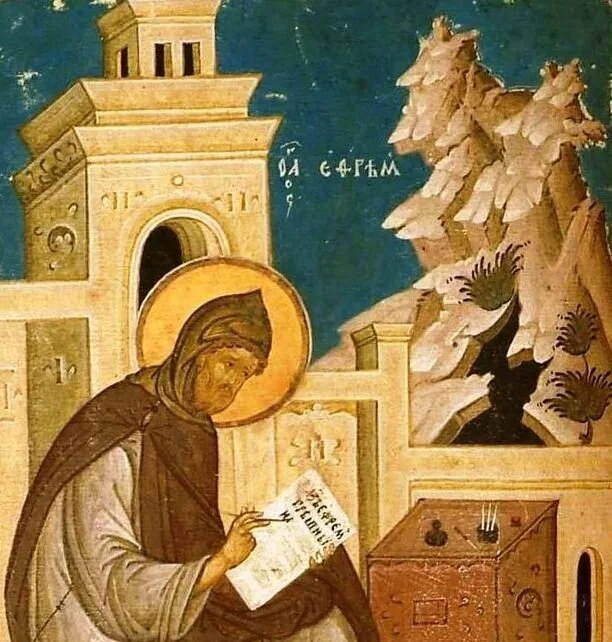
Syriac Christian literature experienced significant growth in Edessa, a key center of early Christian scholarship. The development of religious texts in the Syriac lan...
Explore event →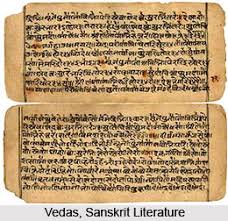
During the classical period of Indian history, Sanskrit literature experienced a remarkable flourishing, often under the patronage of royal courts such as that of Ujja...
Explore event →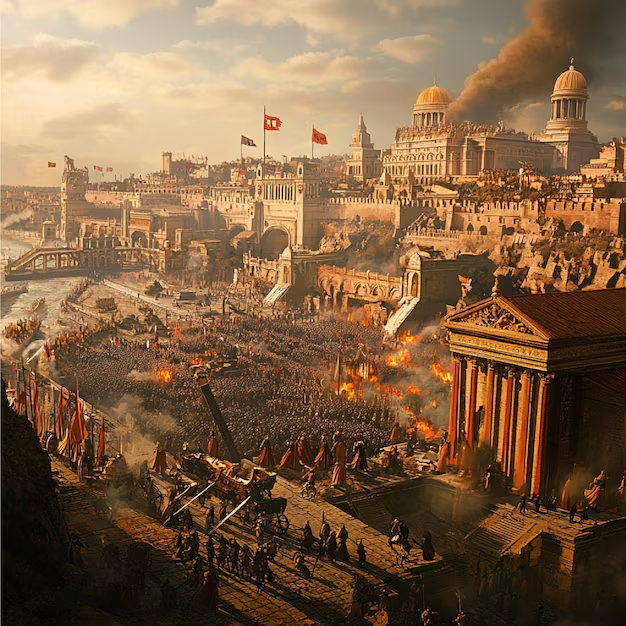
The last Western Roman emperor, Romulus Augustulus, was deposed. This event traditionally marks the end of ancient Rome and the beginning of the Middle Ages. Christi...
Explore event →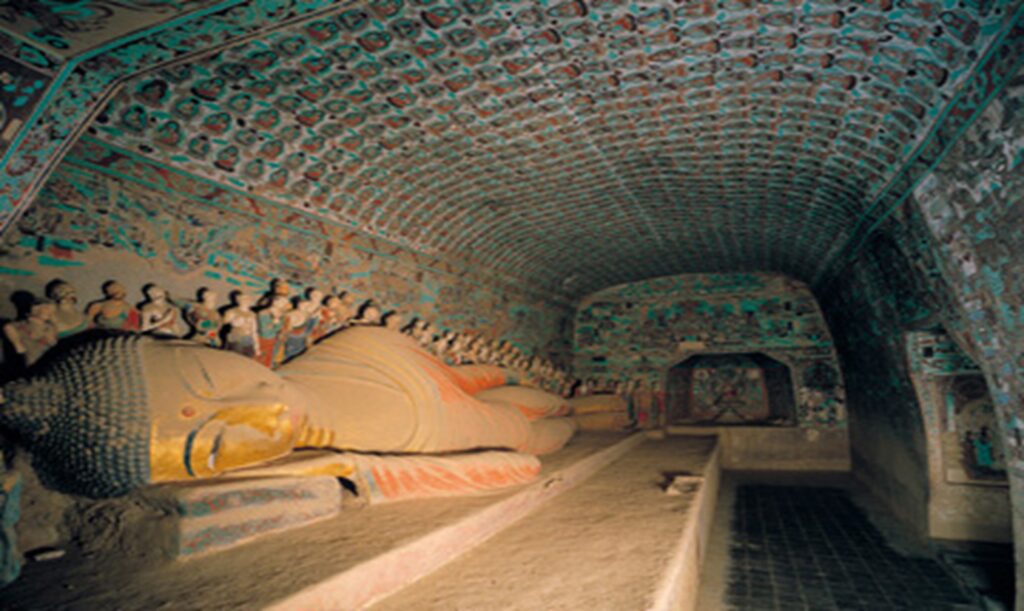
The Buddhist cave temples at Mogao near Dunhuang have undergone significant expansion. The site consists of a series of rock-cut grottoes featuring murals and statues ...
Explore event →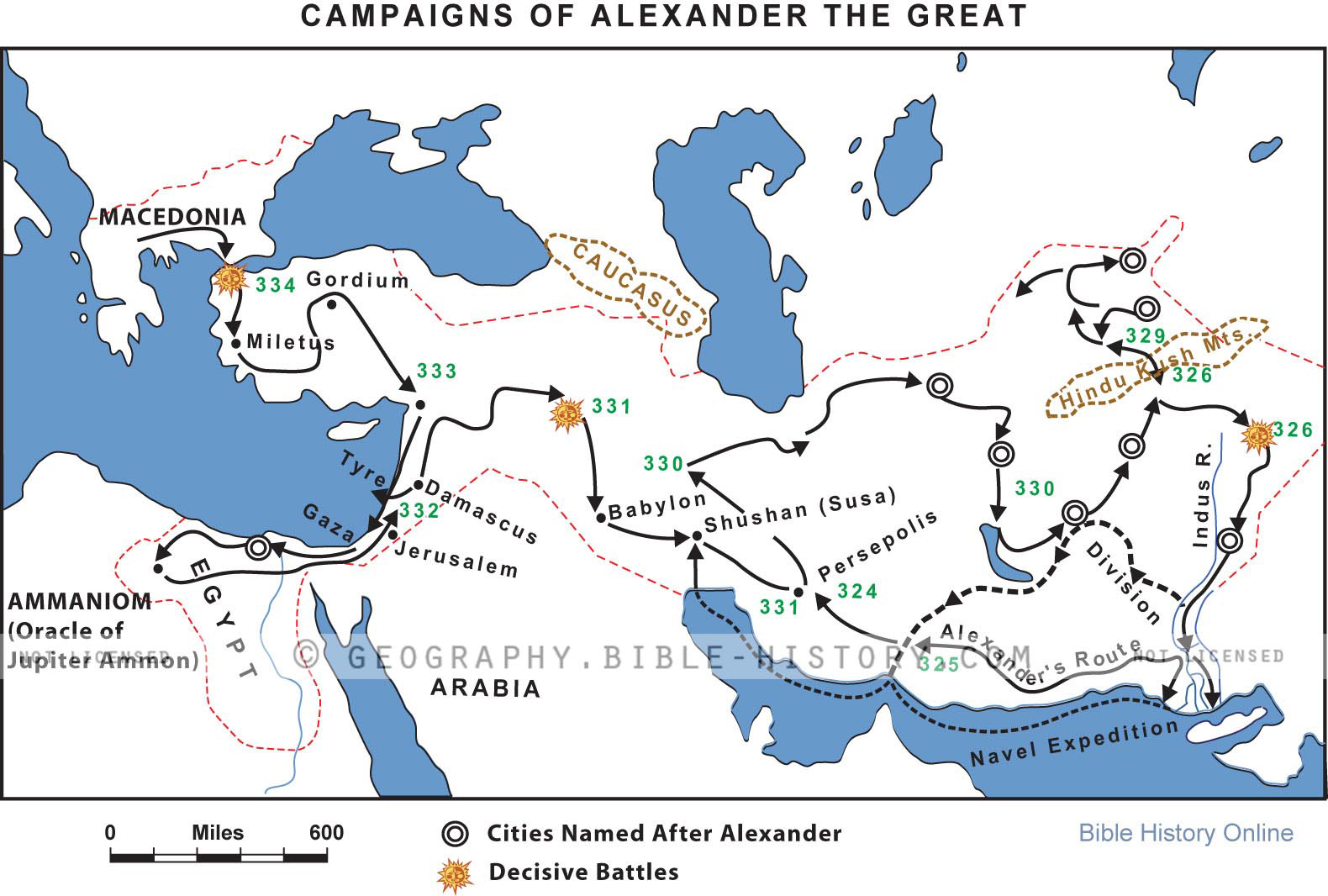
Alexander the Great Travels Through Palestine In October 332 B.C., during his campaign against the Persian Empire, Alexander III of Macedon, commonly known as Alexand...
Explore event →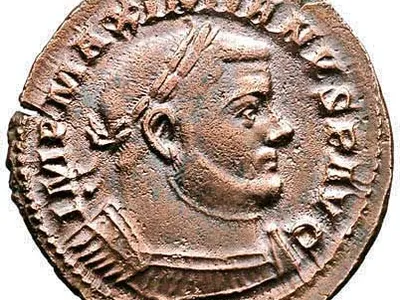
Maximian, co-emperor of the Roman Empire, formally abdicated his position alongside Diocletian. This marked a significant moment in the Tetrarchy system, a power-shari...
Explore event →
Henry Kissinger delivered the opening address at the European Management Symposium in Davos in 1980. The World Economic Forum identifies this as his first appearance a...
Explore research
International organization founded by Klaus Schwab as the European Management Symposium in 1971. It later became the World Economic Forum and developed into a platform...
Explore research
1970–1981 — Anwar Sadat succeeds Nasser and gradually redirects Egyptian foreign and economic policy. He reduces Soviet influence, encourages economic liberalization a...
Explore research
5–10 June 1967 — Israel defeats Egypt, Jordan and Syria in a brief but transformative war. Egyptian forces lose the Sinai Peninsula, and the scale of the defeat deeply...
Explore research
German-born economist and engineer who founded the European Management Symposium, later known as the World Economic Forum, and served as its principal leader.
Explore research
January–June 1919 — Allied leaders negotiate borders, reparations, military restrictions, mandates and a new international organization. Wilson's language of self-dete...
Explore research
August–November 1918 — Germany and its allies face military retreat, shortages, exhaustion and growing political instability. Bulgaria, the Ottoman Empire and Austria-...
Explore research
January–March 1918 — Russia's withdrawal gives Germany a temporary manpower advantage in the west, but American troops are arriving rapidly. Hindenburg and Ludendorff ...
Explore research
8 March 1917 — Demonstrations, strikes and bread shortages in Petrograd begin the revolutionary crisis that destroys the imperial government. Soldiers increasingly ref...
Explore research
Late 1917–March 1918 — The collapse of Russian resistance allows Germany to move divisions from the Eastern Front toward France and Belgium. German commanders understa...
Explore research
19 February 1915 — British and French naval forces begin major operations against the Ottoman defenses of the Dardanelles. The Allies hope to force the straits, threat...
Explore research
1915–1918 — Casualties, inflation and shortages turn civilian morale into a strategic issue. Governments expand propaganda, censorship, rationing and welfare programs ...
Explore research
September–November 1914 — After the Marne, both sides repeatedly attempt to turn the other's flank. The maneuvering eventually reaches the North Sea and creates a larg...
Explore research
28 July–4 August 1914 — European armies activate enormous prearranged railway timetables to mobilize millions of soldiers. Military planners argue that delaying mobili...
Explore research
1914–1919 — The Royal Navy progressively restricts German access to food, fertilizer, metals, chemicals and overseas trade. Neutral shipping is increasingly subjected ...
Explore research
1914–1919 — Room 40 is the British Admiralty's cryptanalytic organization responsible for intercepting and decoding important German communications. Its intelligence c...
Explore research
1912–1914 — Officials in Germany and Austria-Hungary increasingly fear that Russia and Serbia will become stronger with time. Railway construction, military reforms, p...
Explore research
c. 1830–1912 — The Rilindja Kombëtare develops through writers, educators, political activists and diaspora networks. Albanian-language education and publishing become...
Explore research
7th–10th centuries — Arabic increasingly replaces Greek and Coptic in government and eventually becomes the dominant spoken language. Conversion to Islam occurs over g...
Explore research
c. 550–650 CE — Slavic-speaking groups settle widely across the Balkans during a period of weakened Byzantine frontier control. Settlement patterns, languages and poli...
Explore research
c. 500 BCE–1100 CE — Investigate geography, language, population continuity and ancient names while recognizing the severe lack of surviving Illyrian texts.
Explore research
c. 500 BCE–1100 CE — Modern Albanian is generally considered an ancient Balkan Indo-European language, but its precise ancient ancestor remains uncertain. Continuity f...
Explore research
664–525 BCE — Rulers of the Twenty-Sixth Dynasty reunify Egypt from their base at Sais. They encourage trade with the Greek world, employ foreign mercenaries and reviv...
Explore research
c. 1000 BCE–1100 CE — Separate archaeology, language, ancient ethnonyms and medieval written evidence rather than forcing them into one uninterrupted national story.
Explore research