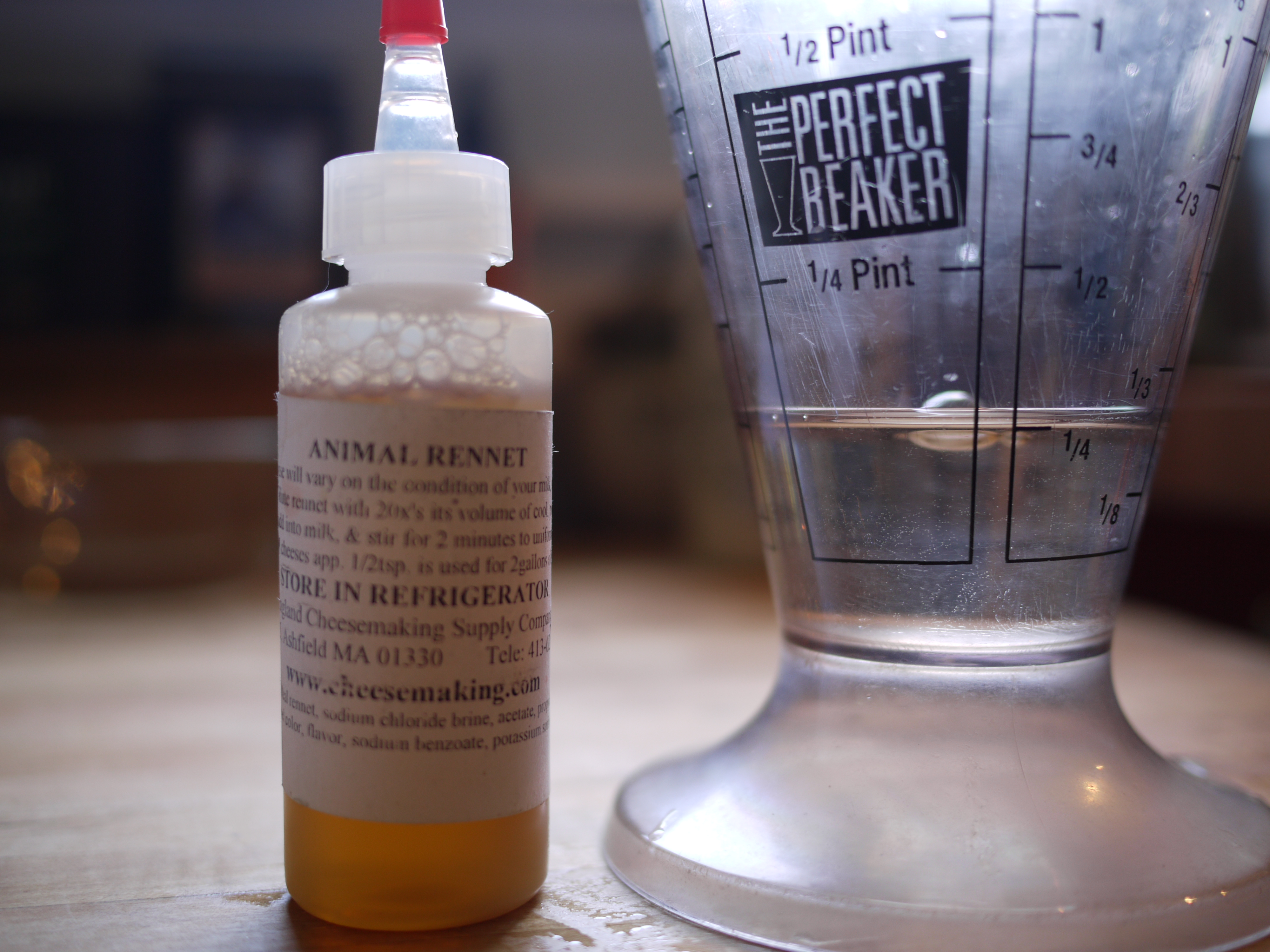
Rennet is an enzyme used in cheesemaking to curdle milk and separate it into curds and whey. Traditionally, rennet was extracted from the stomachs of young calves, but today, most industrial cheese production uses alternative sources.
The enzyme chymosin, which is the active component of rennet, was first identified in calf stomachs. Cheesemakers have used this method for centuries to produce cheeses with the proper texture and flavor.
In the 20th century, advancements in biotechnology allowed rennet to be produced through microbial fermentation and genetically engineered methods. Fermentation-produced chymosin (FPC) became the dominant type used in commercial cheese worldwide.
Pfizer played a major role in the development and commercialization of FPC in 1980, making it the first genetically engineered food enzyme approved for industrial use. Later, other companies such as Chr. Hansen and DSM expanded production and distribution of FPC.
Today, less than 5% of U.S. cheese uses traditional animal rennet, while the majority relies on microbial or fermentation-produced chymosin. This allows for more consistent production, scalable manufacturing, and broader vegetarian acceptance.
Rennet is used in a wide variety of cheeses, from hard varieties like cheddar and Parmesan to soft cheeses like Brie and Camembert. The choice of rennet affects the texture, flavor, and quality of the final cheese.
Side effects.
Short-term Effects
- Allergic reactions – Rare, but some people may react to proteins in traditional animal rennet or residual milk proteins in cheese. Symptoms can include:
- Hives
- Itching
- Swelling
- Gastrointestinal upset
- Digestive discomfort – Overconsumption of cheese made with rennet can cause:
- Bloating
- Gas
- Mild diarrhea in lactose-intolerant individuals (more about lactose than rennet itself)
- Foodborne risks – If cheese is improperly made or stored:
- Stomach cramps
- Nausea
- Diarrhea due to bacterial contamination
Intermediate / Medium-term Effects
- High fat/salt intake – Many rennet-based cheeses are high in saturated fat and sodium, which can contribute to:
- Weight gain
- Elevated cholesterol
- High blood pressure
- Lactose sensitivity – Some cheeses contain residual lactose. Even small amounts can cause symptoms for lactose-intolerant individuals over time.
- Gastrointestinal sensitivity – People with sensitive digestive systems may experience mild discomfort when consuming rennet cheeses regularly.
Long-term Effects
- Nutritional impact – Regular cheese consumption can affect long-term health positively or negatively depending on diet:
- Positive: Good source of calcium, protein, and certain vitamins
- Negative: Excess saturated fat and sodium can increase risk of cardiovascular disease if consumed excessively
- Allergen exposure – People with milk allergies consistently exposed to rennet-containing cheeses may have prolonged allergic reactions.
- Minimal enzyme-specific effects – Fermentation-produced chymosin (microbial rennet) is highly purified. Long-term consumption has no documented harmful effects and is considered safe by global food safety authorities.