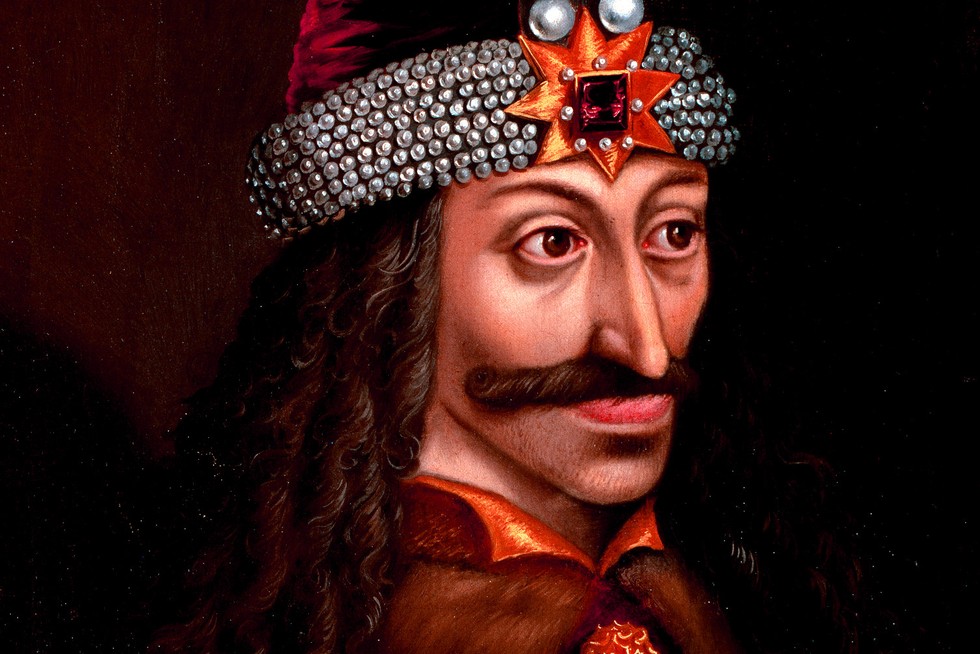
Vlad III The Impaler Known As Dracula Rules Wallachia In 15th Century
Vlad III Dracula, Prince of Wallachia Vlad III, also known as Vlad the Impaler or Dracula, was born in 1431 in Transylvania, part of the Kingdom of Hungary ...
Explore event →History does not happen in isolation. Explore world events across time, follow the connections between them, and investigate the threads that reveal how one event can lead to another.
TheTimeMap currently follows events across 95 countries and 268 years of history — building a connected archive designed for people who want to look beyond the headline.
We oppose antisemitism, racism, and dehumanization — everywhere.
When people stop feeling, injustice becomes easy.
Vlad III Dracula, Prince of Wallachia Vlad III, also known as Vlad the Impaler or Dracula, was born in 1431 in Transylvania, part of the Kingdom of Hungary ...
Explore event →
Expulsion of Jews from France On July 22, 1306, King Philip IV of France, also known as Philip the Fair, issued an edict expelling all Jews from the kingdom. The expu...
Explore event →
Expulsion of Jews from England On July 18, 1290, King Edward I issued the Edict of Expulsion, ordering all Jews to leave the Kingdom of England. The decree affected J...
Explore event →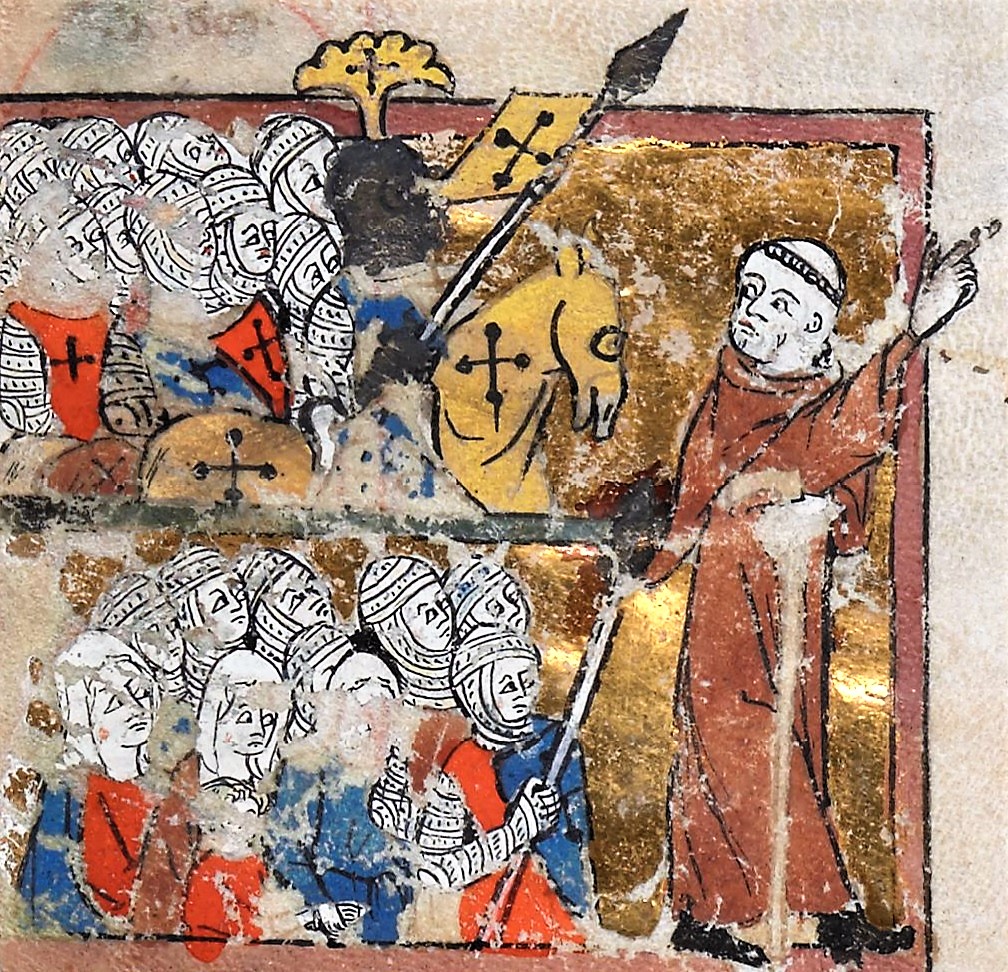
Origins And Objectives Of The Crusades The Crusades were a series of military campaigns initiated between 1095 and 1291, primarily aimed at capturing or def...
Explore event →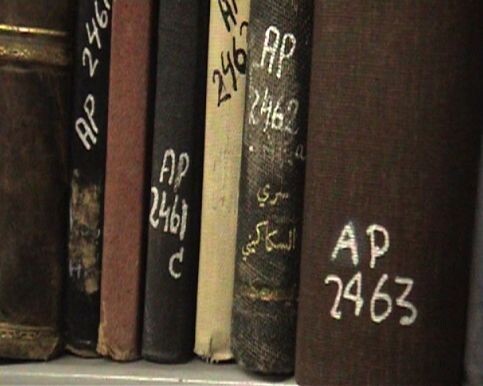
Great Book Robbery of 1948 In 1948, during the Arab–Israeli War following the end of the British Mandate for Palestine, thousands of books and manuscripts were stolen...
Explore event →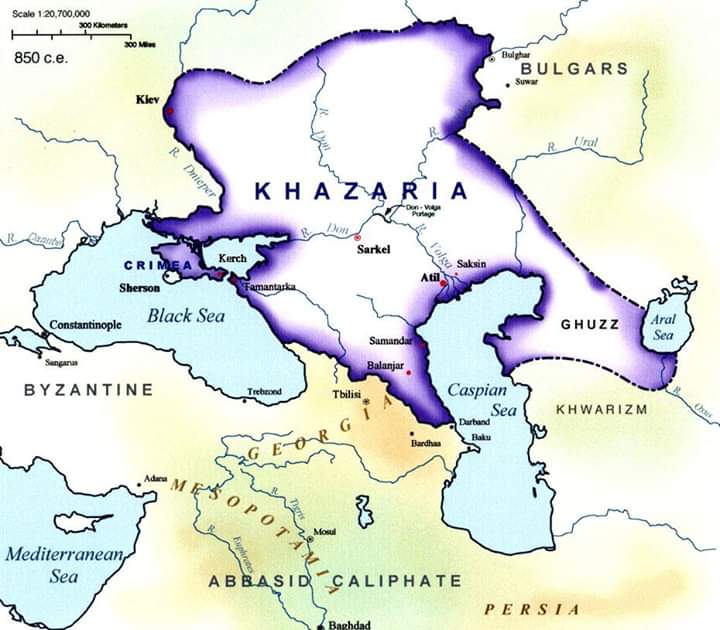
The Khazarian Empire: History, Territory, and Conversion to Judaism The Khazar Empire was a Turkic polity that emerged in the mid-seventh century and became...
Explore event →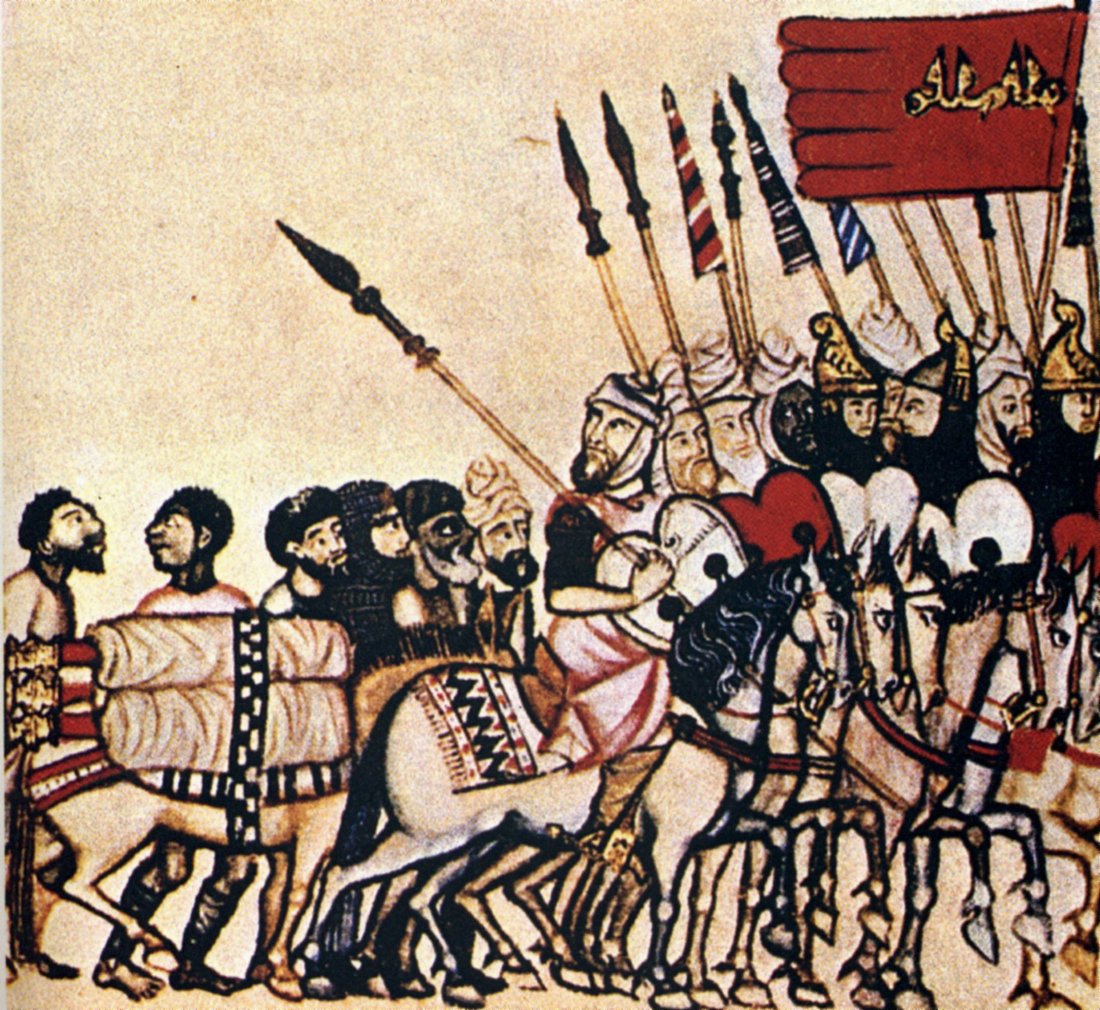
Moorish Invasion Of The Iberian Peninsula On April 30, 711, Umayyad forces led by the Berber commander Tariq ibn Ziyad crossed the Strait of Gibraltar from ...
Explore event →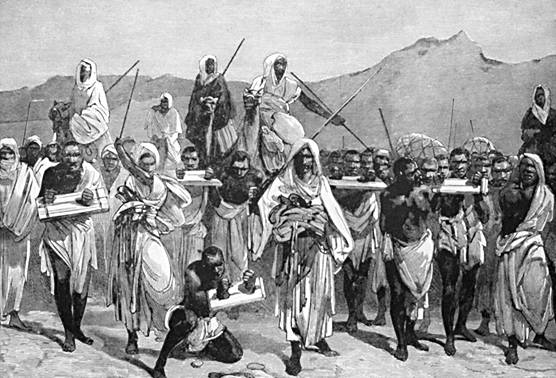
Trans‑Saharan Slave Trade The Trans‑Saharan slave trade began around the mid‑7th century following the Treaty of Baqt in 652 CE, which established formal rela...
Explore event →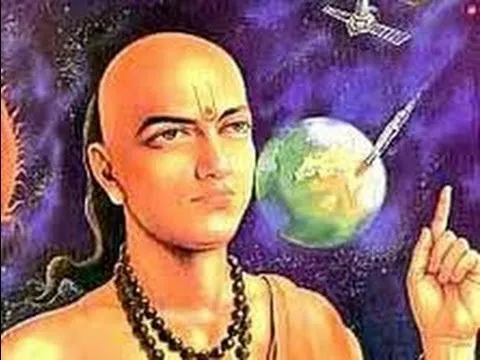
Aryabhata, an Indian mathematician and astronomer, formulated key astronomical constants that advanced early scientific understanding. His calculations included the le...
Explore event →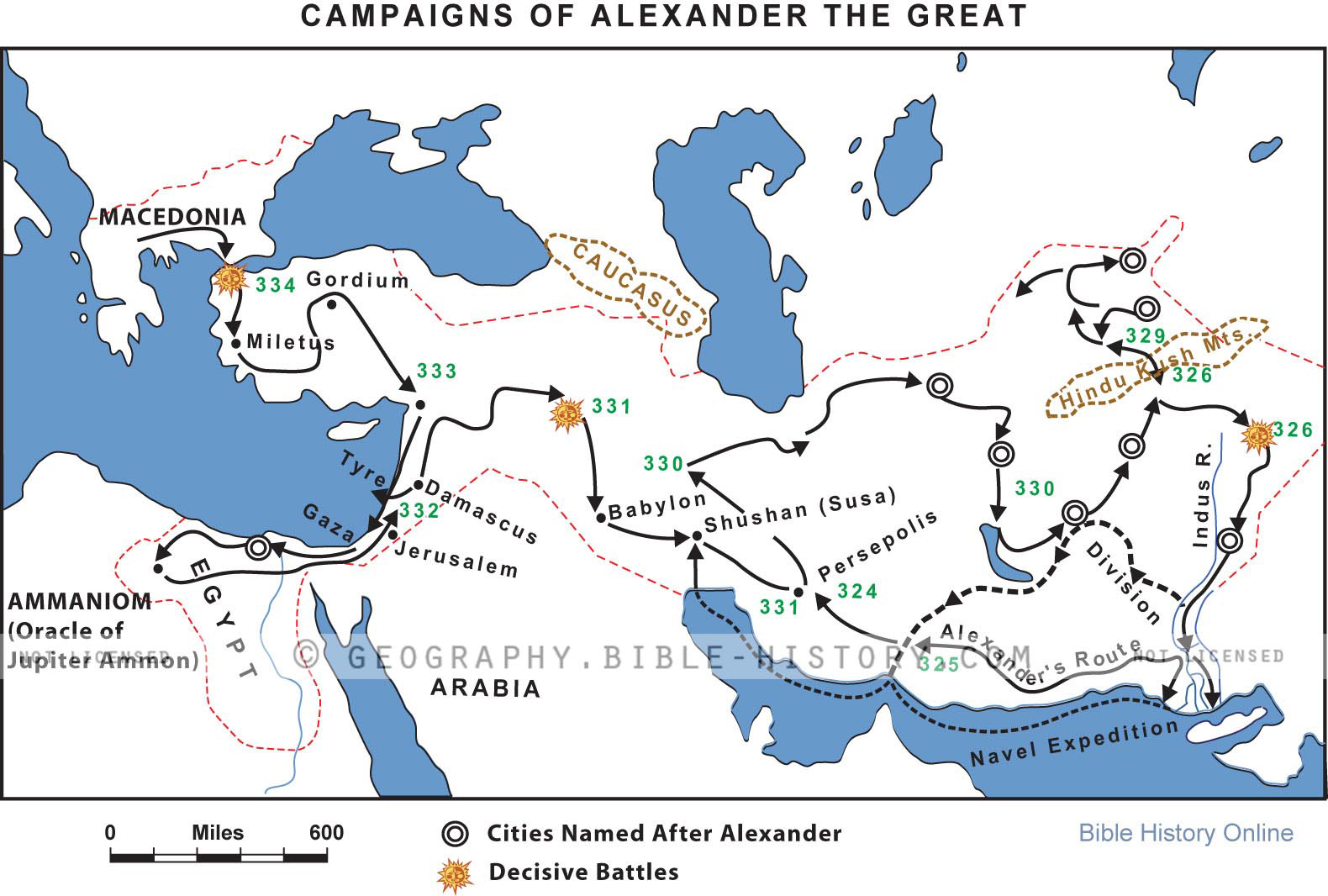
Alexander the Great Travels Through Palestine In October 332 B.C., during his campaign against the Persian Empire, Alexander III of Macedon, commonly known as Alexand...
Explore event →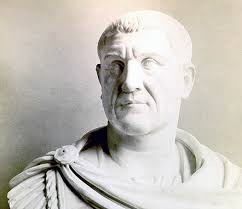
Maximinus Thrax, a Roman soldier of humble origins, was proclaimed emperor by his troops following the assassination of Severus Alexander. His accession marked the beg...
Explore event →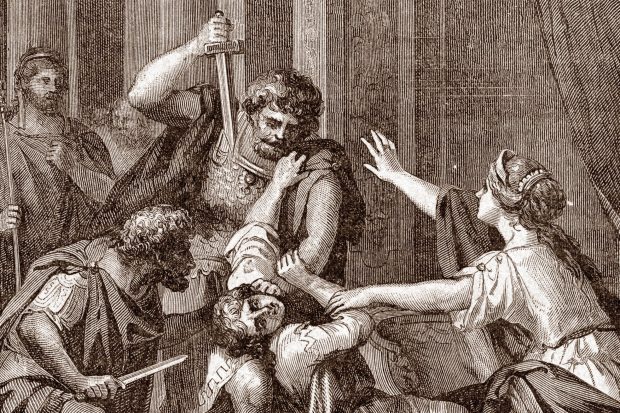
Geta, co-emperor of the Roman Empire alongside his brother Caracalla, was assassinated in Alexandria under political tension and rivalry. The murder occurred shortly a...
Explore event →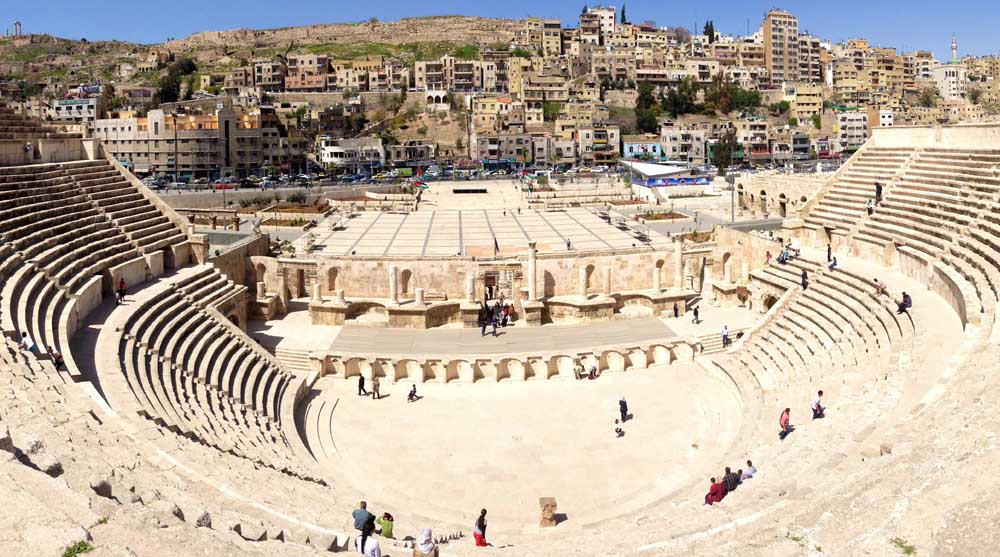
Construction of the Roman amphitheater known as the Colosseum began under Emperor Vespasian. This monumental structure was designed to host a variety of public spectac...
Explore event →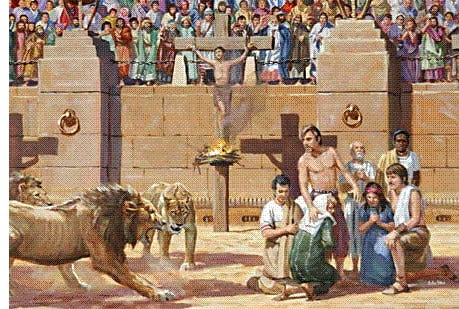
In the mid-first century, Emperor Nero initiated systematic persecution of Christians in Rome following the Great Fire of 64 AD. Christians were blamed for the disaste...
Explore event →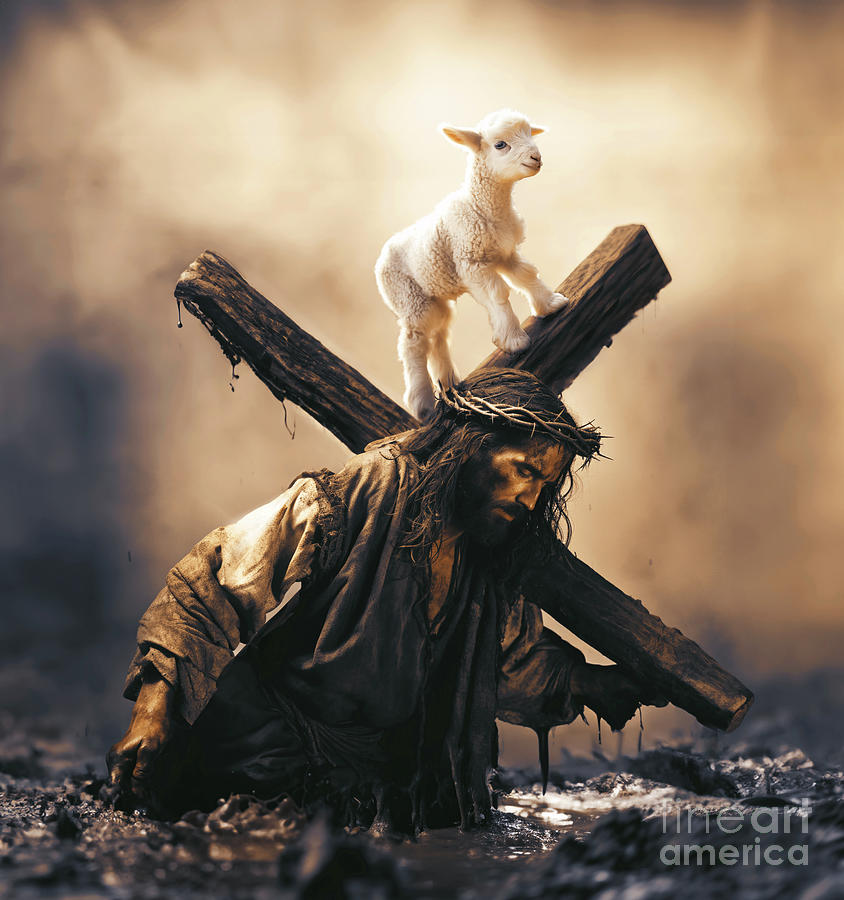
Event Timeline body { font-family: Arial, sans-serif; background-color: #f4f4f9; margin: 0; padding: 0; } .timeline-container { max-width: 800px; ...
Explore event →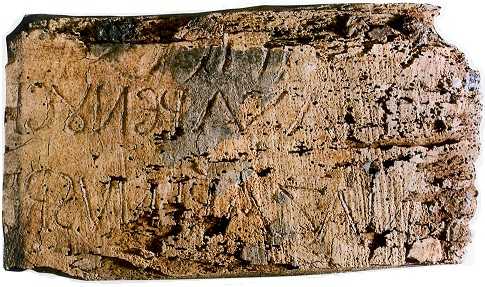
Titulus Above Jesus on the Cross According to the New Testament, Pontius Pilate ordered a sign to be placed above Jesus during his crucifixion. The Gospels ...
Explore event →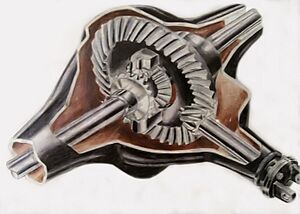
Ma Jun, a prominent Chinese inventor, developed several groundbreaking mechanical devices that made significant impacts on local industry. His inventions focused on im...
Explore event →
c. 3000–1100 BCE — Fortified settlements, metallurgy, regional trade and tumulus burial traditions develop across the western Balkans. Social differences become increa...
Explore research
c. 4400–4000 BCE — Communities in Upper Egypt produce distinctive pottery, stone tools and increasingly elaborate burials. Grave goods suggest growing differences in w...
Explore research
10 July 1940 — Britain's defense during the Battle of Britain relies on more than fighter aircraft alone. Chain Home radar stations, ground observers, telephone commun...
Explore research
29 July 1936 — Germany begins sending military aircraft and personnel to assist Franco's forces in Spain. The Condor Legion later conducts bombing operations, includin...
Explore research
9 April 1940 — Germany launches Operation Weserübung against Denmark and Norway. Denmark is overwhelmed rapidly, while fighting in Norway continues for weeks. Control ...
Explore research
23 August 1942 — German aircraft conduct devastating attacks on Stalingrad as ground forces approach. Large areas are destroyed and many civilians are killed. The bomb...
Explore research
8 November 1942 — American and British forces land in French North Africa. The operation brings large American ground forces into combat against the European Axis and ...
Explore research
14 February 1942 — The Polish underground Home Army is formally established as the principal armed resistance organization loyal to the government-in-exile. It fights ...
Explore research
4 January 1944 — The Polish Home Army begins implementing Operation Tempest as Soviet forces approach prewar Polish territory. Underground units attempt to fight Germa...
Explore research
17 September 1939 — Soviet forces cross Poland's eastern frontier while the Polish state is already collapsing under German attack. The invasion follows the secret ter...
Explore research
17 July 1936 — A military uprising against Spain's Republican government begins a prolonged civil war. Nazi Germany and Fascist Italy support Francisco Franco's Nation...
Explore research